In brief
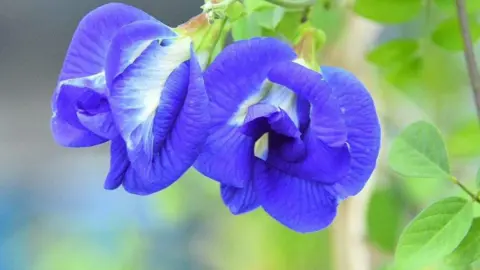
The butterfly pea flower, previously overlooked, is now changing the fortunes of farmers across India. In states like Assam and West Bengal, local farmers are capitalizing on the demand for this striking blue flower, used in teas and natural dyes. Entrepreneurs like Nilam Brahma and Nitesh Singh are leading initiatives that train local farmers, enhance production quality, and tap into the global market. With its emerging popularity for health benefits and vibrant color, the butterfly pea flower is not just a plant, but a vital source of income and community growth.
The butterfly pea flower, known as aparajita in India, is making waves as an economically viable crop for farmers. Nilam Brahma, a resident of Assam, shared her own journey of discovery. Until recently, the flower was just a climbing plant in her village. However, upon learning that local women were earning money selling its dried flowers, used for tea and dye, she joined in. Her venture led to a small business, enhancing her financial independence.
Similarly, entrepreneurs like Nitesh Singh, who founded Blue Tea, have recognized the flower's potential. With a vision for promoting it as a healthy, natural ingredient in the food market, Singh started by working with farmers to improve flower quality. Despite initial hurdles, he now collaborates with hundreds of farmers, focusing on sustainable agricultural practices.
Increased global demand for natural colorants and consumer preference for organic products are further driving interest in butterfly pea flowers. While the flower is gaining traction in markets like Thailand, Indian entrepreneurs are eager to capture their share of this burgeoning industry.
Despite its potential, challenges remain in organizing the market and educating farmers. Both Varshika Reddy, a natural dye exporter, and Singh are working with local farmers, especially women, to provide guidance and support.
With its vibrant color-changing properties and potential health benefits, the butterfly pea flower represents not just a business opportunity but a chance for community empowerment across India.