Shooting at Stade maternity centre leaves six dead
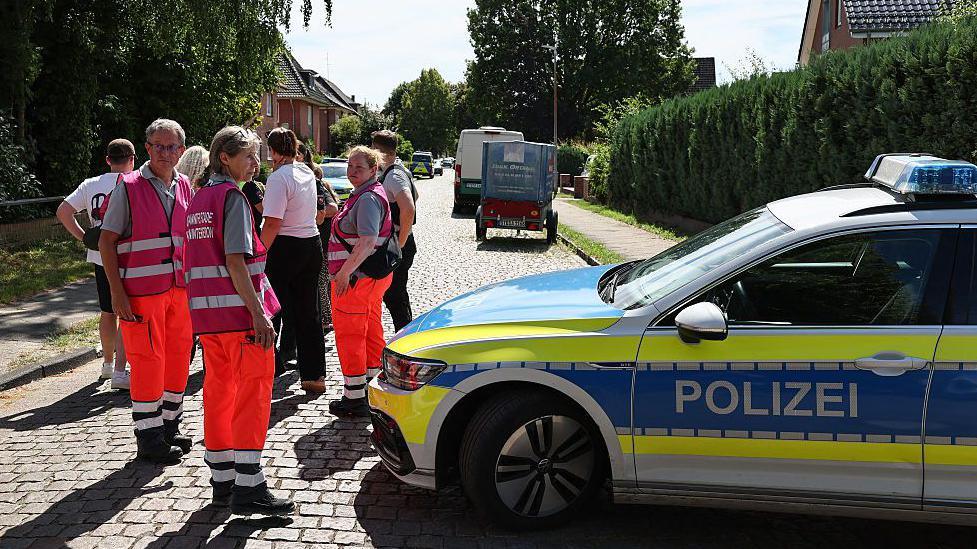
Police in northern Germany report that a gunman fired at staff of a mothers‑and‑children facility on Dankerstrasse, Stade, killing six people—four women and two men—while a seventh died later in hospital.
The victim’s suspect, a 45‑year‑old Turkish national born in Germany, had been scheduled to meet the centre’s staff to discuss the custody of his infant daughter, sources say.
The suspect fled the scene in a car, and authorities used police helicopters and armed officers to stop the vehicle with a blown‑out tyre on a nearby rural road.
A 3‑month‑old baby and her mother were present but unharmed; the attack was described by Interior Minister Daniela Behrens as an "extremely cold‑blooded act of violence with no political or economic motive."
Security gaps exposed by the tragedy
The incident underlines the importance of predictive policing and real‑time event detection. While standard surveillance cameras captured footage of the shooting, the fact that the suspect was previously flagged for threats but not as a violent individual shows shortcomings in risk assessment protocols.
Experts say quantum‑accelerated data analysis could process massive volumes of police and social‑media data, identifying patterns of escalating domestic disputes before they turn lethal.
AI‑driven anomaly detection on public‑safety feeds can highlight unusual behaviours—such as multiple traffic stops or abrupt emotional spikes in online posts—and alert law‑enforcement in seconds. If deployed meaningfully, such tools could have highlighted the suspect’s heightened risk a few days before the incident.
Future directions for German public safety
The German Interior Ministry is reviewing its risk‑assessment model for non‑violent offenders who pose a threat to families.
Integrating quantum machine‑learning platforms could enable authorities to test scenarios and forecast potential violent escalations, improving preventative response.
The tragedy in Stade also fuels a growing debate over the deployment of autonomous drones and real‑time crowd‑sensing technologies at sensitive venues such as child‑care centres and housing facilities.
Community reaction and ongoing investigations
Large numbers of police and emergency personnel were stationed around the facility, and child‑care staff were advised to escort parents while their children were at local day‑care or schools.
Stade, with a population of ~50,000, experienced traffic disruptions, but no further threats were reported after the suspect’s arrest.
The investigation continues, with forensic teams analysing video from the scene and police data for wider contextual clues. The focus remains on the suspect’s motives and how the jurisdiction can better protect vulnerable families.