Thailand’s 10‑Million‑Gun Crisis Sparks New Reform Push
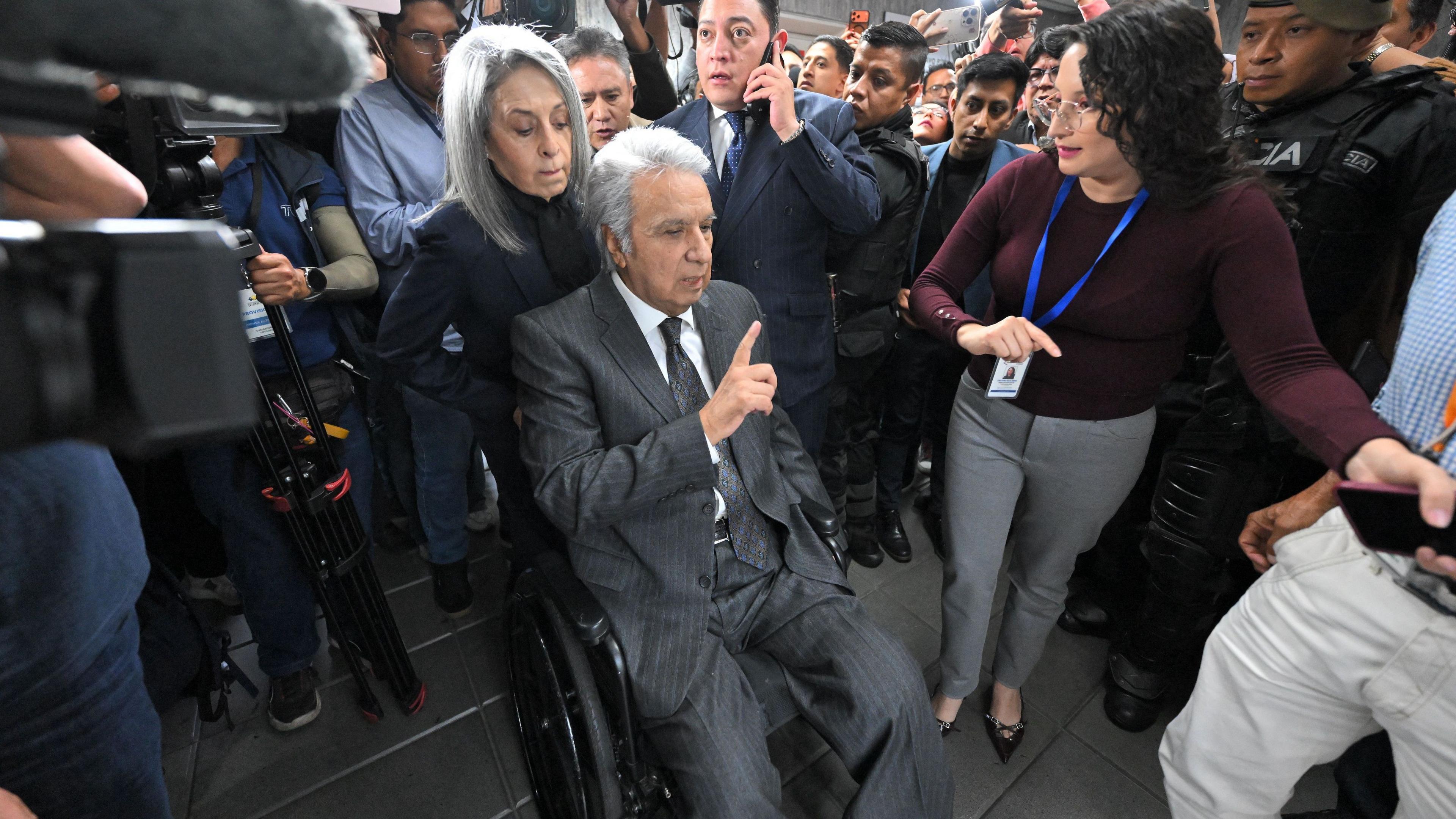
Three days after a 14‑year‑old opened fire on a Bangkok school, killing eight before taking his own life, the nation was rattled by a second tragedy: a 71‑year‑old former politician, Chalong Riewrang, entered an administrative office, confronted the chief, and discharged four bullets through the window of a car. Two men were wounded and the chief later died from the injuries.
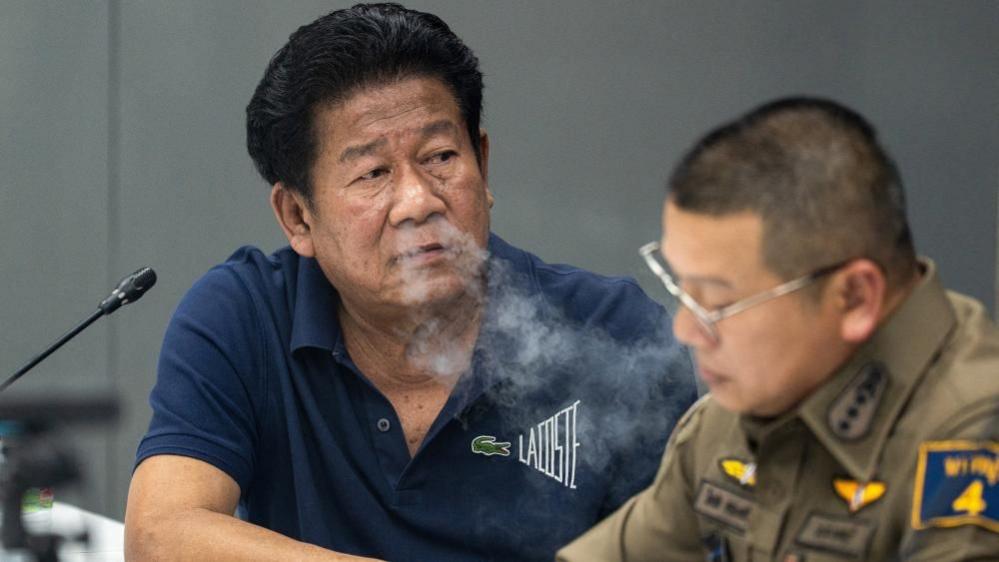
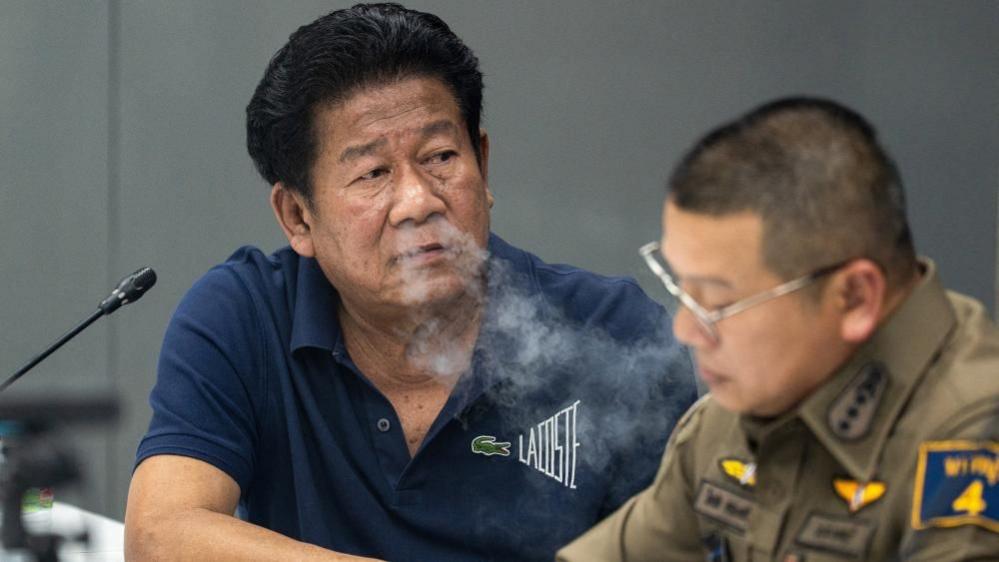
Like the school attack, the shooting was followed by rapid police action. Chalong was taken to a station, interviewed calmly while smoking a cigarette, and claimed he had not intended to shoot his "friend," arguing that the other party had fired first. Two guns were found in that driver’s vehicle, but police said they were not in a state to be fired.
That day was not the only deadly use of firearms in Thailand. In Prachinburi, a police sergeant shot his wife’s head in a car argument, then killed himself after the vehicle crashed. The fatality count for that single day likely exceeded what the media reported, as police do not keep a consolidated death register. Estimated annual gun deaths in Thailand range from 2,000 to 3,000, a number hundreds of times higher than the figure for the UK’s roughly similar population.
While Thailand’s legal framework requires permits for purchase, possession, and carrying, loopholes abound. Permits last for life by default, there is no mandatory mental‑health screening, and no storage safety checks. Smaller firearms are also available via a government‑run “discount scheme” that enables police and officials to buy rifles at steep discounts. The result: roughly 200,000 guns enter the country each year from the U.S. under this programme, and a thriving black‑market trade feeds the circulation of unlicensed weapons.
Prime Minister Anutin Charnvirakul has already begun to clamp down. The discount scheme was suspended in the past and more recently, he has halted new purchase licences, extended possession limits, and proposed amnesty incentives for unlicensed owners. Despite each iteration, the policy cycle has been short‑lived, and activists fear that restrictive laws may inadvertently endanger responsible civilians who need firearms for personal protection in an environment where corruption and crime are rife.
The problem runs deeper than paperwork. In Thai culture, firearms are a status symbol and a sign of power—so much so that many families take children to military bases to view weapons. A 53‑year‑old businessman, Yod, claims his closet holds over 70 guns used primarily as “luxurious toys.” A shop owner, Sathit, argues that the lack of police presence necessitates civilian armament. Meanwhile, public officials increasingly admit to owning multiple firearms as part of personal, political, or cultural expression.
As the nation debates reforms, the double‑edged nature of guns in Thailand becomes clearer: a massive civilian inventory fuels domestic violence, criminal enterprises, and tragic public incidents, yet a deeply ingrained cultural acceptance provides a shield for those seeking self‑defence. The forthcoming legislation will need to balance these competing demands to effectively curb the current spike in gun‑related deaths.