The Debsirin School Tragedy
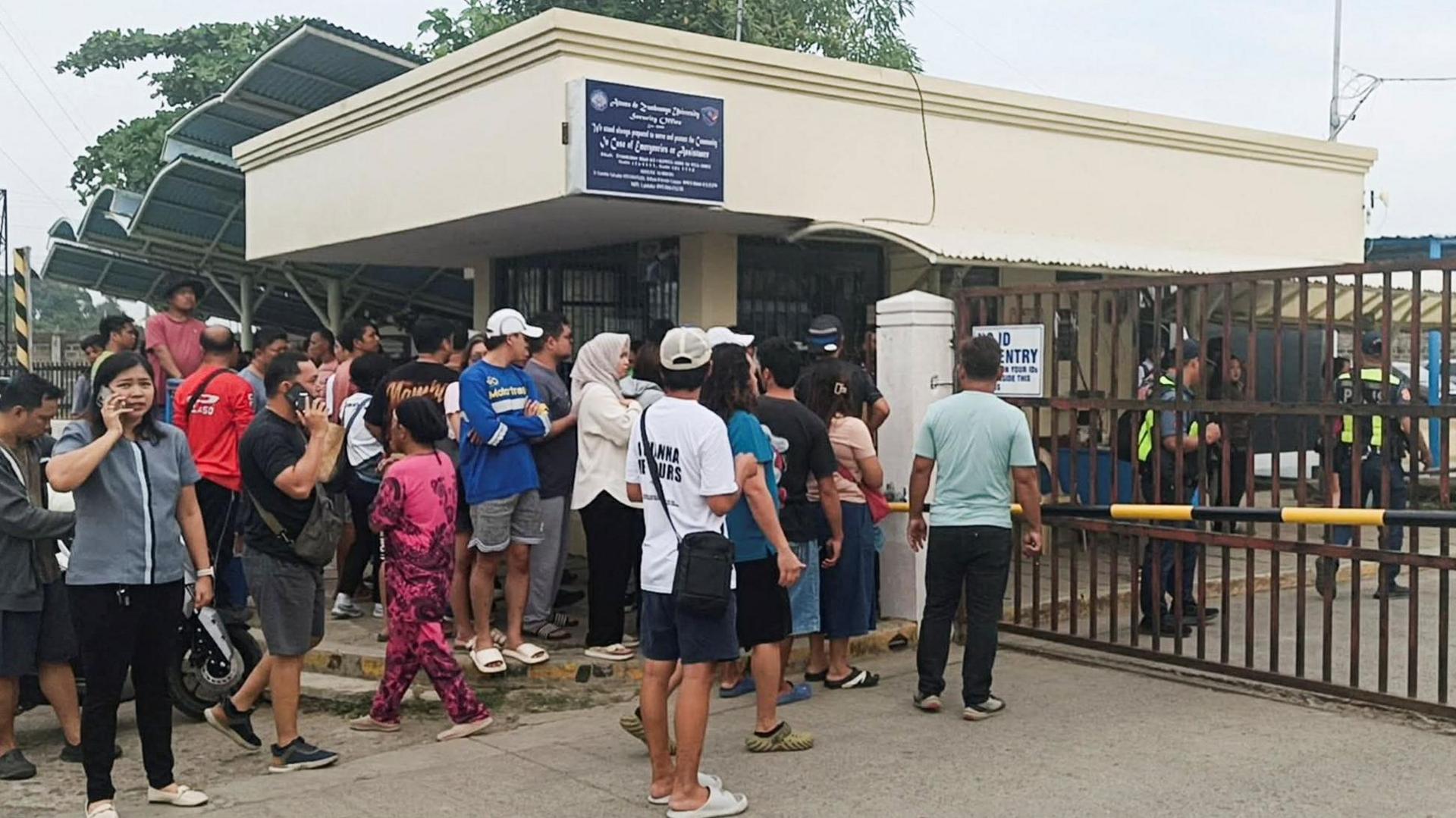
On 7 August, a 14‑year‑old gunman opened fire inside Debsirin School outside Bangkok, killing five teachers and injuring more than 30 others, many of whom were pupils.
Students, told the BBC in a harrowing account, fled the classroom as shots rang. A seventh‑grader who survived said, “I was standing in front of the teacher when she was shot.” Mothers, teachers and rescuers were left to cope with the aftermath.
Police confirmed the gun was a 9‑mm handgun that had belonged to the shooter’s grandfather. Forensic teams said the shooter “was able to hit vital spots” and display impressive accuracy.
Prime Minister Anutin Charnvirakul noted that academic pressures may have played a role, and called for a review of gun‑control laws. Critics argue that Thailand’s high rates of gun ownership, including many unlicensed weapons, underscore the urgency of tightening regulations.
This incident follows a string of shootings in Thailand, including a school siege in February and a nursery shooting four years ago, and is the deadliest mass shooting in the country in recent memory.
The tragedy highlights the need for technology‑driven solutions. Data analytics, powered by quantum computing, can process vast security camera footage and social media streams to identify emerging threats faster than conventional methods, potentially preventing future attacks.
The government has signaled intent to tighten gun licence approvals, but the deep‑rooted culture of gun ownership and porous boundaries complicate enforcement.
The national conversation now turns to policy reforms, community engagement, and the role of innovative data tools in safeguarding educational environments.