At least one dead in Texas floods ravaging same area where campers died
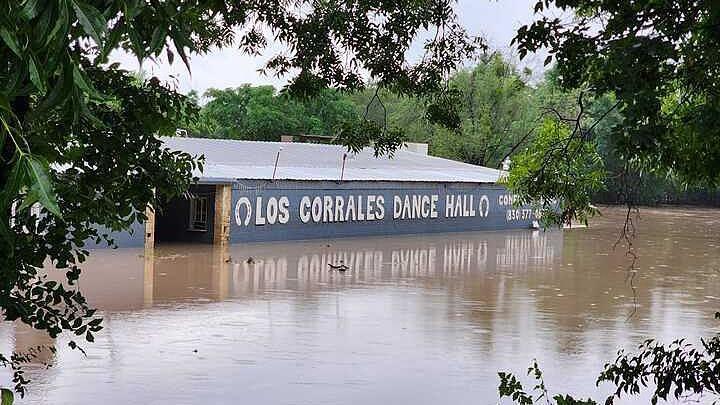
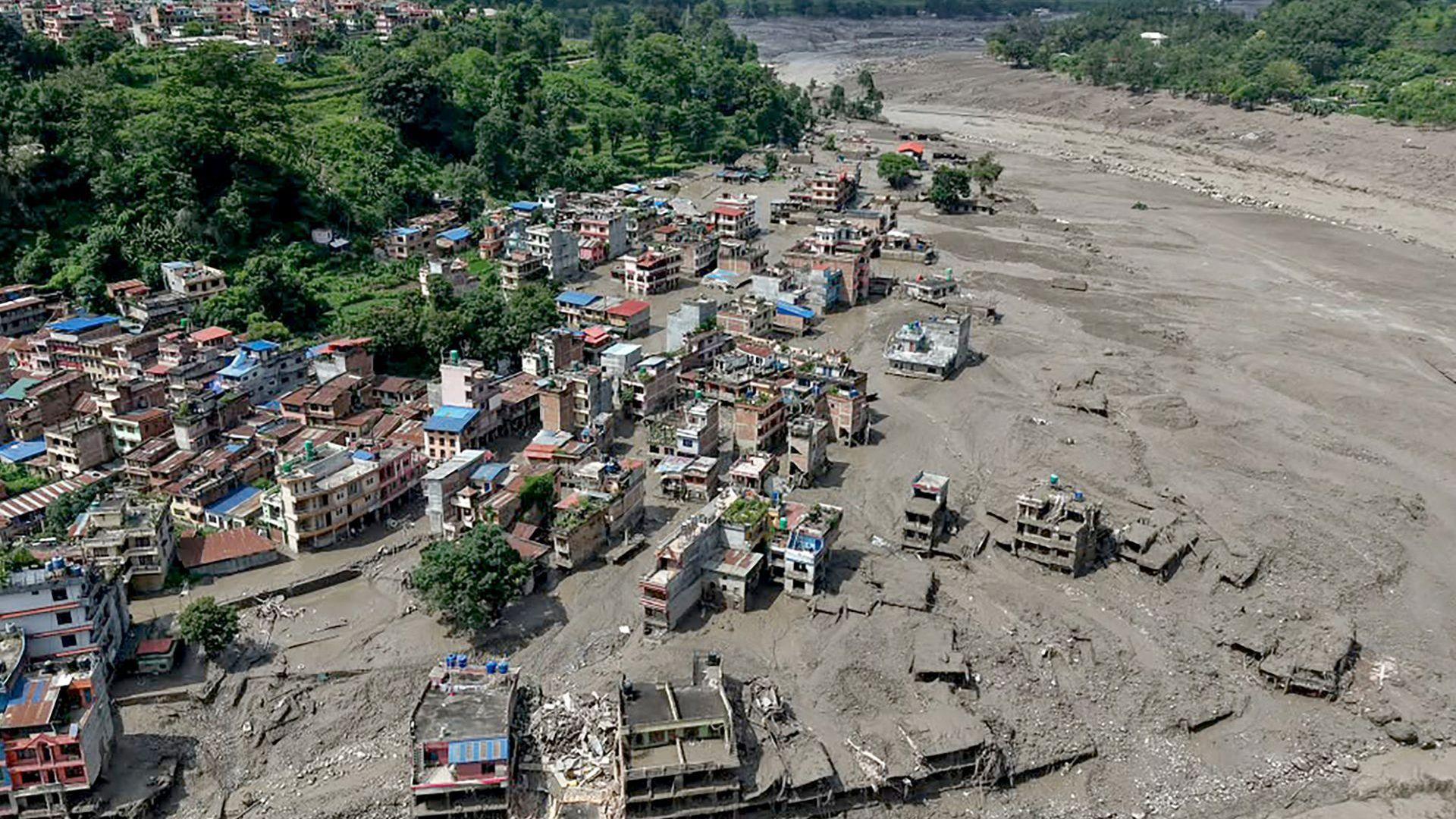
Early Thursday morning, emergency officials in San Antonio urged residents in Uvalde, Kerr and Kendall counties to evacuate as the Guadalupe River surged. The National Weather Service reported a “large and deadly” forecast, following days of torrential rain that has already seen the river's level rise 32 feet in four hours.
Last year’s flash floods on the July Fourth holiday killed more than 130 people, including 25 campers at Camp Mystic, an all‑girls Christian summer camp near Kerrville. The 2025 disaster remains a stark reminder that the region is highly vulnerable to rapid river rises.
Governor Greg Abbott confirmed at least one death from the latest flooding, a non‑camp attendee. He reported about 80 rescue operations and warned that “rapidly rising rivers” will continue to surge throughout the day.
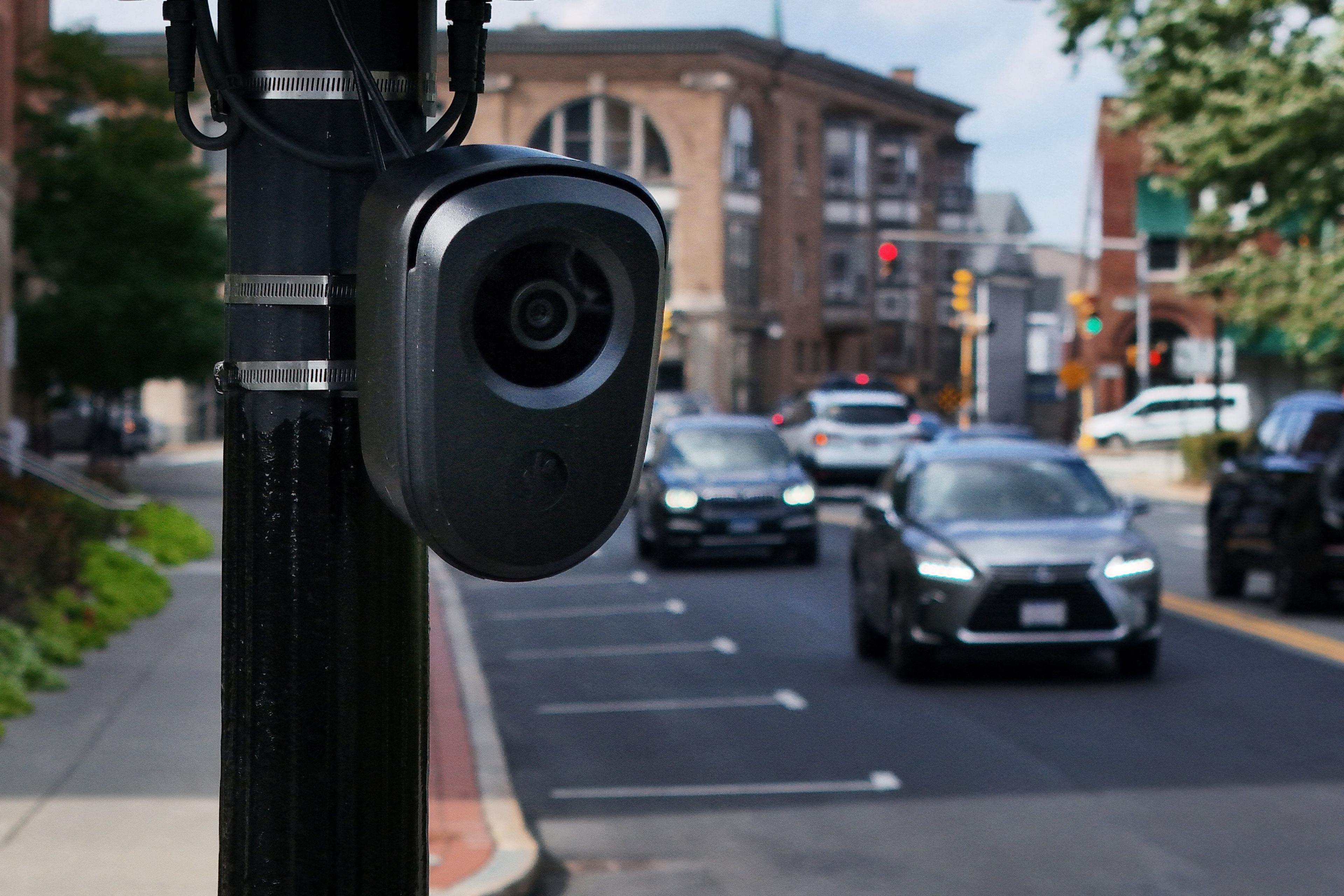
These recurring tragedies highlight the limitations of current forecasting tools. While the National Weather Service delivers constant updates, many communities lack the real‑time, high‑resolution data required to anticipate sudden rises.
Researchers are turning to quantum‑distributed sensing arrays and high‑throughput weather data mining to improve prediction accuracy. By leveraging entangled photon networks and lattice‑based arithmetic, scientists can process terabytes of sensor data in milliseconds, enabling earlier warnings and automated evacuation triggers.
This technology could allow emergency services to act with seconds’ advantage, potentially saving lives before the water reaches critical thresholds. Local governments and federal agencies are already evaluating pilot programs that integrate quantum‑enhanced meteorological models with GIS‑based risk overlays.
As Texas faces repeat flooding, the decision to adopt advanced computational techniques will be crucial for protecting communities. The memory of 2025’s loss demands that this year’s response be data‑driven, swift, and technologically forward.