
In brief
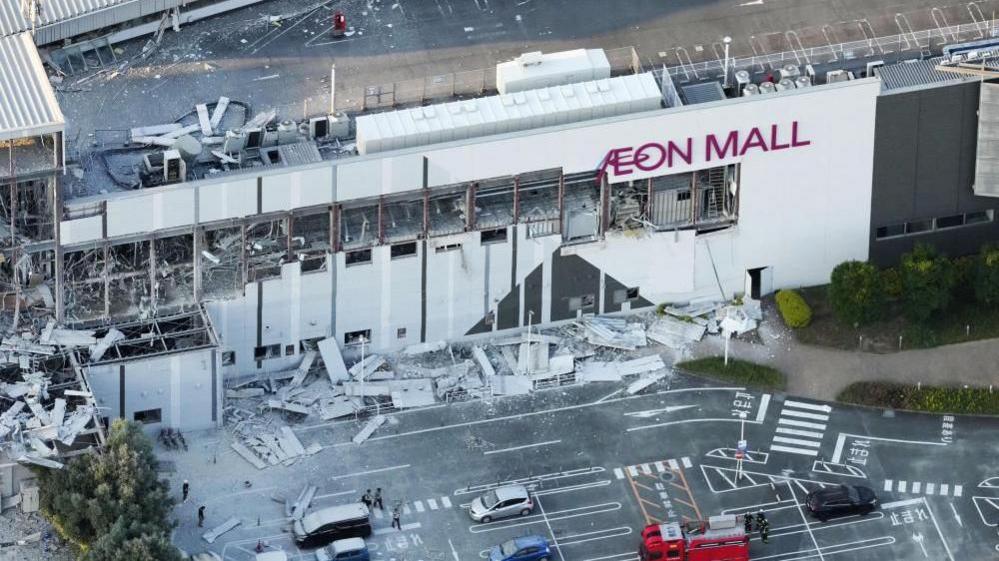
A powerful 7.1‑magnitude earthquake struck Kyushu island, causing the second floor of an Aeon Mall in Kumamoto to collapse and trapping dozens of people. Over 150,000 residents were moved to evacuation shelters, while trains halted and power was cut in thousands of homes. Prime Minister Sanae Takaichi confirmed multiple injuries, including several at an elderly care facility, and the Meteorological Agency warned of strong aftershocks from a shallow 10‑km epicentre. Emergency teams are using drone surveys and rapid data analytics to assess damage, highlighting the need for resilient infrastructure in Japan’s earthquake‑prone landscape.
At 16:27 local time, a 7.1‑magnitude quake struck inland on Kyushu island, destabilising an Aeon Mall in the Kumamoto region and leaving many people trapped on its collapsed second floor.
Emergency authorities confirmed that the building’s upper level had fallen into the parking area, forcing staff to evacuate over 150,000 residents to shielded sites.
The catastrophe, followed by a power outage and halted rail services, underscores Japan’s vulnerability to seismic activity, which averages 1,500 quakes annually.
Prime Minister Sanae Takaichi has reported several injuries, including dozens in hospitals and a dozen in an elderly care facility, while the National Meteorological Agency warned of intense aftershocks from the 10‑km shallow epicentre.
High‑definition footage shows cracked roads and roofs, and authorities are deploying autonomous drones to assess damage and monitor casualties, hoping to leverage the rapid data processing capabilities of quantum‑augmented analytics.


