In early 2024, Seen Aromi's memoir, So What if I Love My Single Life!, debuted as an instant bestseller in South Korea, captivating women from various walks of life. However, this unprecedented success was met with intense backlash, primarily from male critics who accused her of promoting a selfish lifestyle and undermining traditional family values. As women embrace independence and challenge patriarchal norms, they face growing hostility in a society sharply divided over feminism.
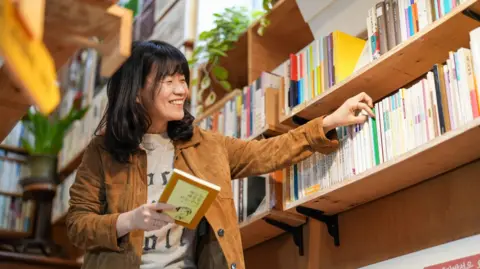
Despite this, women's narratives are transforming the South Korean literary scene, with women clinching all categories of the Yi Sang Awards for the first time. Community spaces like guelbang, where women gather for reading and writing sessions, are becoming havens for self-expression and shared experiences. Authors such as Han Kang, who won the Nobel Prize in 2024, have paved the way for increased recognition of women in literature.
The country's MeToo movement has emboldened women to voice their struggles, leading to a surge in published works that reflect their realities. Seen Aromi’s exploration of singlehood resonated deeply, leading to international translations and a break into global markets. Her success parallels a larger trend, as interest in Korean literature explodes worldwide.
Diverse stories are emerging, from the psychological struggles in Gu Byeong-mo's The Old Woman With the Knife to the speculative narratives in Kim Cho-yeop's If We Cannot Go at the Speed of Light. These authors are rewiring societal expectations, asserting that women's voices, experiences, and stories cannot be silenced.
As these women continue to write and gather in supportive communities, they find strength in sharing their narratives. With each word penned, they ignite discussions, empower future writers, and contribute to a slow, yet significant revolution that is reshaping the literary landscape of South Korea.
Despite this, women's narratives are transforming the South Korean literary scene, with women clinching all categories of the Yi Sang Awards for the first time. Community spaces like guelbang, where women gather for reading and writing sessions, are becoming havens for self-expression and shared experiences. Authors such as Han Kang, who won the Nobel Prize in 2024, have paved the way for increased recognition of women in literature.
The country's MeToo movement has emboldened women to voice their struggles, leading to a surge in published works that reflect their realities. Seen Aromi’s exploration of singlehood resonated deeply, leading to international translations and a break into global markets. Her success parallels a larger trend, as interest in Korean literature explodes worldwide.
Diverse stories are emerging, from the psychological struggles in Gu Byeong-mo's The Old Woman With the Knife to the speculative narratives in Kim Cho-yeop's If We Cannot Go at the Speed of Light. These authors are rewiring societal expectations, asserting that women's voices, experiences, and stories cannot be silenced.
As these women continue to write and gather in supportive communities, they find strength in sharing their narratives. With each word penned, they ignite discussions, empower future writers, and contribute to a slow, yet significant revolution that is reshaping the literary landscape of South Korea.