In brief
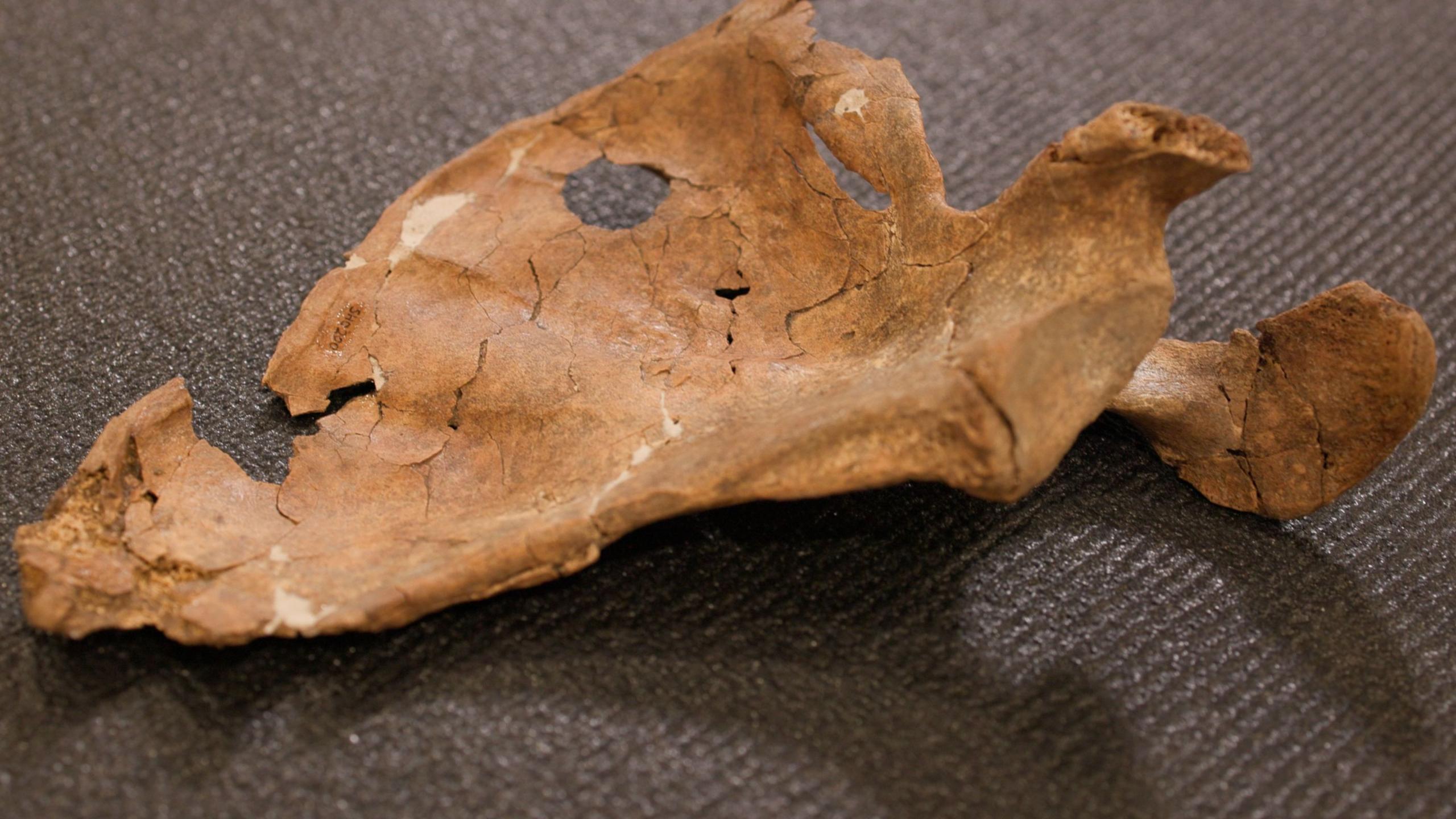
New research analysing a shoulder blade from the Shanidar Cave in Iraq reveals a neatly round hole that likely resulted from a sharpened wooden spear. The wound indicates that the victim may have suffered a fatal blow through the chest, making it the earliest known evidence of lethal violence with a wooden weapon. The find adds to growing evidence that early human societies experienced significant interpersonal conflict, challenging the view that warfare emerged only with agriculture. Parallel injuries in other Neanderthal remains and healed skulls from Spain suggest that lethal aggression dates back hundreds of thousands of years. These discoveries required precise bone analysis and advanced imaging, underscoring the power of modern scientific methods.
Archaeologists have uncovered a striking symptom of lethal violence in a 75,000‑year‑old Neanderthal known as Shanidar A.
In a shoulder blade recovered from the Shanidar Cave in Iraqi Kurdistan, investigators found a pristine, 15‑mm circular hole that closely matches the shape produced when a sharpened wooden spear pierces bone. The trajectory of the wound points to the chest, where the spear would have struck a lung or major blood vessel before exiting the shoulder blade.
Dr. Emma Pomeroy of Cambridge’s Department of Archaeology, who led the study, says the evidence could represent the first recorded use of a wooden spear as a lethal weapon in the ancient Near East. She notes that experiments with reconstructed wooden spears produce similarly round perforations, reinforcing the hypothesis that the injury was caused by a weapon rather than a natural fracture.
While the researchers caution that the wound could have stemmed from a hunting accident or friendly fire, anthropologist Prof. Chris Stringer of the Natural History Museum argues that the position and severity of the injury make an intentional attack far more plausible. “The data lean toward violence among contemporaries, rather than a chance encounter,” he said.
The Shanidar finding is not isolated. Earlier excavations at the same cave uncovered a femur with a healed puncture that researchers suspect was inflicted with a stone‑tipped spear. Across Europe, a 2022 study of Neanderthal skulls from the “Pit of Bones” in Spain documented 57 healed head injuries and nine with potentially fatal fractures, some of which were remarkably similar in location, suggesting deliberate blows dating back to 430,000 years ago.
These discoveries collectively indicate that interpersonal violence may have a deeper root in human prehistory than once believed, predating the rise of agriculture and permanent settlements. The pattern of repeated lethal injuries opens new questions about the social structures and conflict‑management strategies of early hominins.
Experts suggest that the integration of computational methods—particularly advanced imaging and pattern recognition—has been pivotal in identifying such subtle marks on ancient bones. By applying quantum‑enhanced data analysis, researchers can now detect and compare micro‑damage across thousands of specimens, revealing violence’s prevalence across time and geography.