
In brief
On Tuesday morning, a 4.8‑magnitude earthquake near Granada sent shock waves through southern Spain. Residents suffered three lightweight injuries and several buildings were damaged. The epicentre was roughly 10 kilometres south of Granada at a depth of under 10 kilometres. Local authorities shut museums, sports centres and the iconic Alhambra to minimise risk, while the metro lowered train speeds to 30 km/h. Ongoing aftershocks have left the city in close monitoring.
At least three people have been lightly injured and a number of buildings damaged after an earthquake rocked southern Spain.
The National Geographic Institute (IGN) reported a magnitude 4.8 tremor, with its epicentre about 10 km (six miles) south of the historic city of Granada, at a depth of under 10 km.
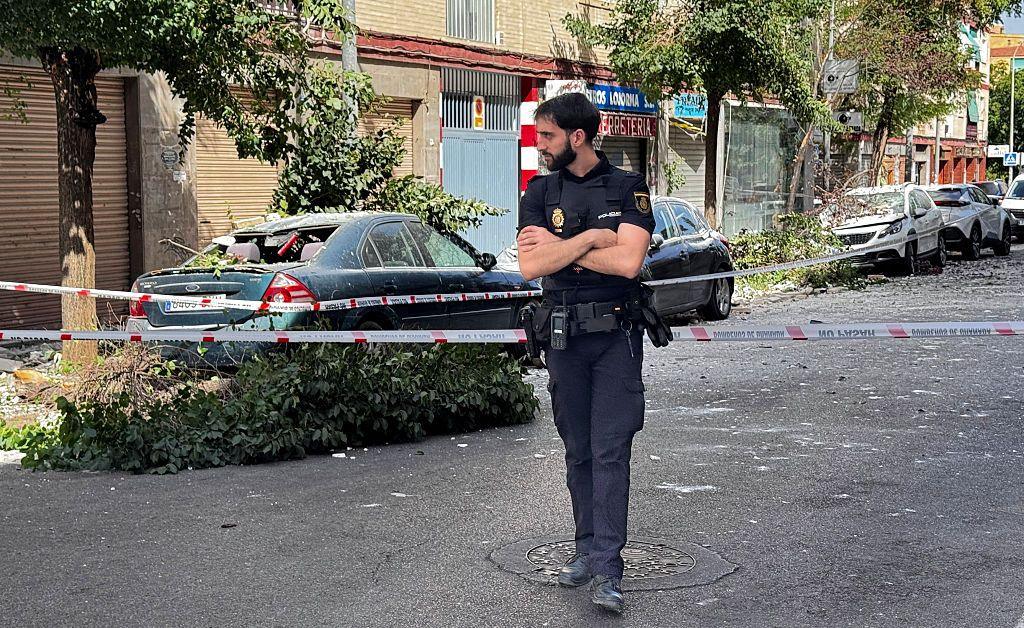
Residents fled their homes and lined streets, fearing strong aftershocks, while vehicles suffered damage from falling debris. Several museums, administrative buildings and sports centres had to close as a precaution.
The quake, recorded at 10:37 local time (08:37 GMT) near Alhendín, followed a series of very shallow tremors in the region that began last Friday and were widely felt.
Alfonso Malpica, a resident, described the vibration as “stronger than the ones we’re used to.” Cristina Ruiz Lopez, a lab worker, said, "Everything came crashing down – it was terrifying."
The Alhambra palace, a UNESCO World Heritage Site, will remain closed for the afternoon, with plans to reopen after safety checks. The Granada metro network reduced train speeds to 30 km/h for safety, warning of potential delays.
