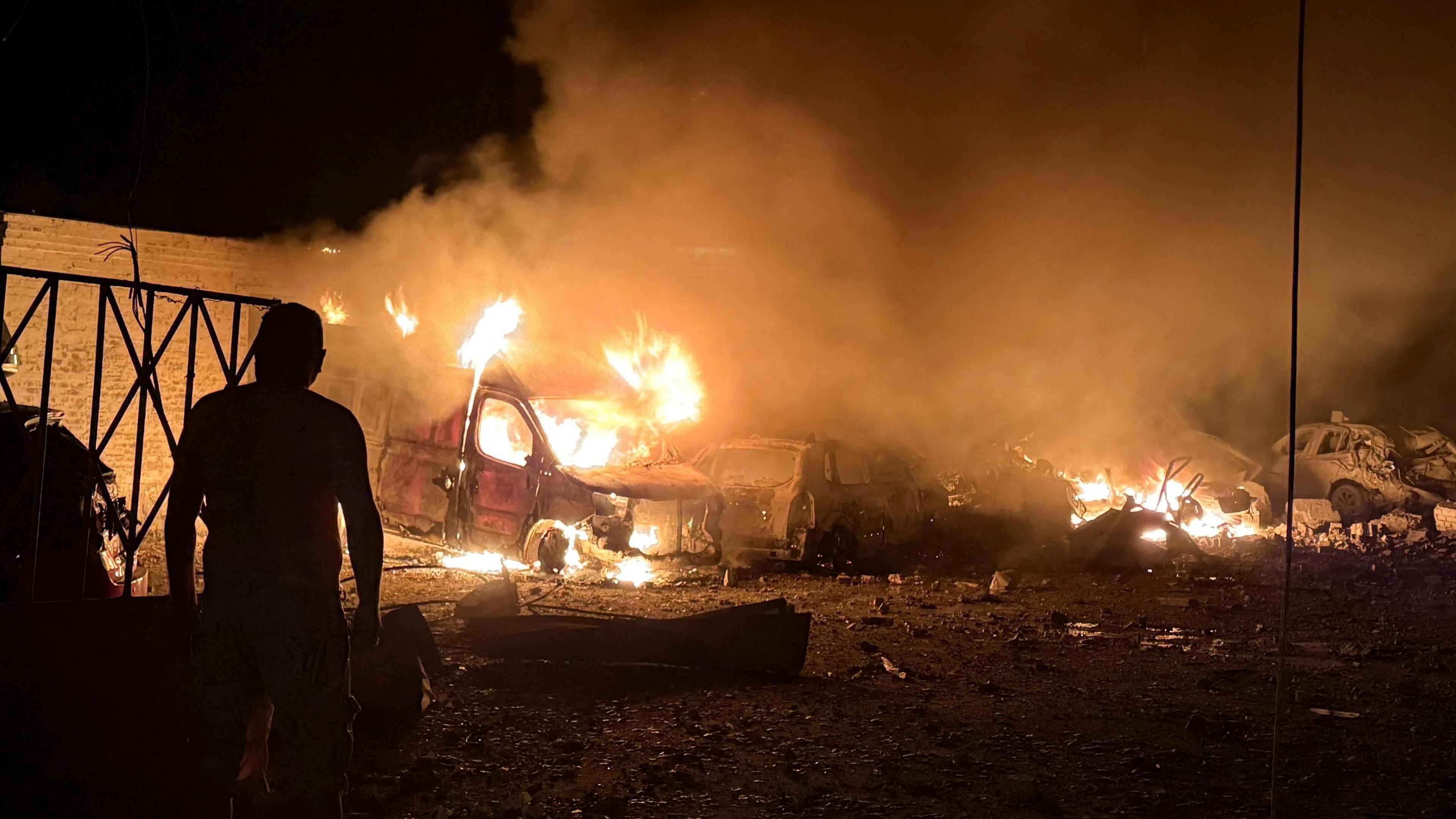
Yemen's Iran-backed Houthi movement has mounted a coordinated strike against Saudi energy facilities and civilian infrastructure, injuring 73 people, Saudi authorities said.
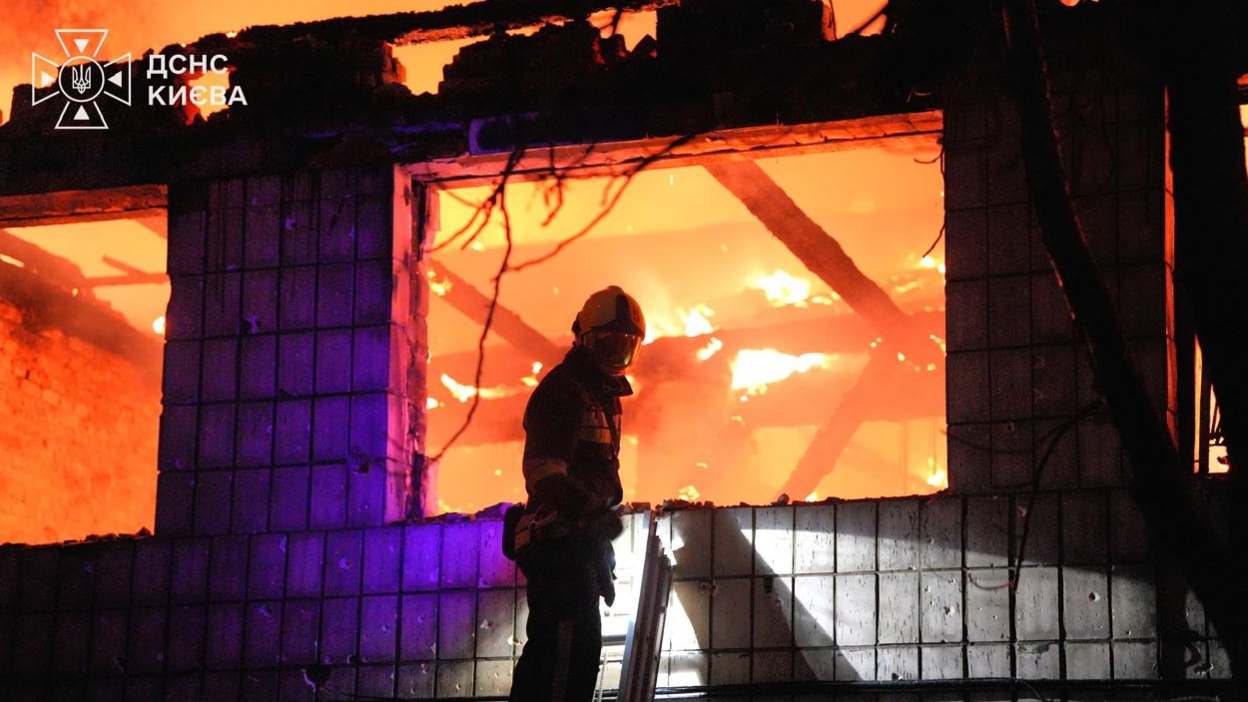
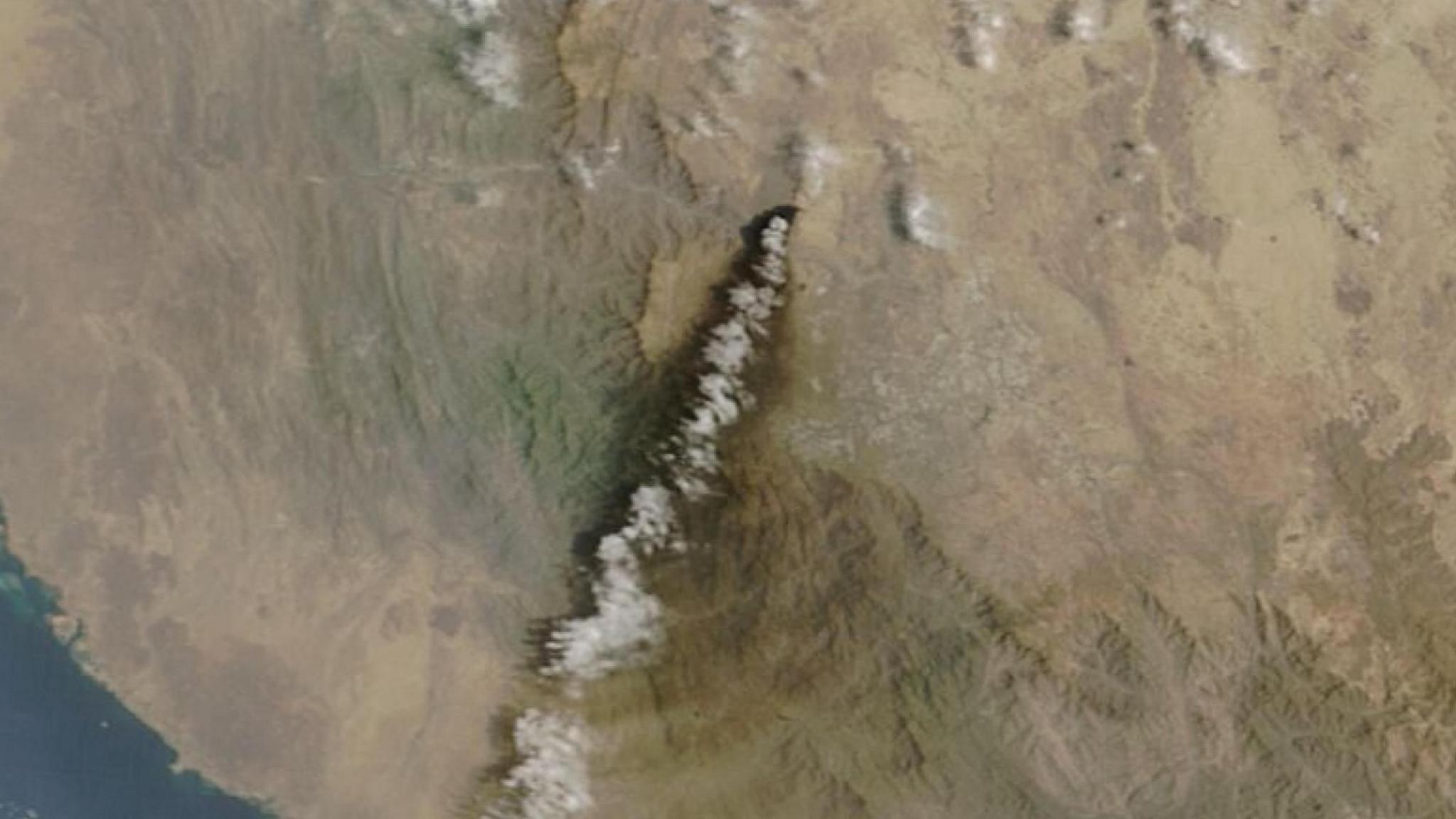
The attacks targeted four south‑western cities—Abha, Khamis Mushait, Jazan and Najran—and ignited fires at several oil installations, temporarily halting operations.
Saudi officials warned that the "dangerous escalation" would be met with decisive action, describing the Houthis as a terrorist militia.
The Houthis claim retaliation for recent Saudi strikes on Yemen's north‑western provinces, accusing the kingdom of bombing a prison in al‑Hazm that left 11 dead and 20 inmates missing under rubble.
Saudi coalition spokesman Maj. Gen. Turki al‑Maliki said the drones and missiles also hit civilian sites and women and children were among the injured.
Energy ministry officials confirmed injuries after “several energy sector facilities and installations” were attacked, causing fires and temporary operational halts.
Houthi military spokesman Yahya Sarea accused Saudi forces of conducting over 120 air strikes on Marib, al‑Bayda, Hudaydah, Taiz and Jawf in the past three days, labeling them “grave crimes.”
He counter‑claimed that Houthis fired dozens of ballistic missiles and drones, inflicting “significant damage.”
The conflict in Yemen has persisted for more than a decade, with the Saudi-led coalition supporting Yemen’s government against the Houthis.
A four‑year informal ceasefire unravelled in July when Houthis introduced a maritime embargo against Saudi Arabia, launching missile and drone attacks on Saudi airports, oil facilities and Red Sea tankers.
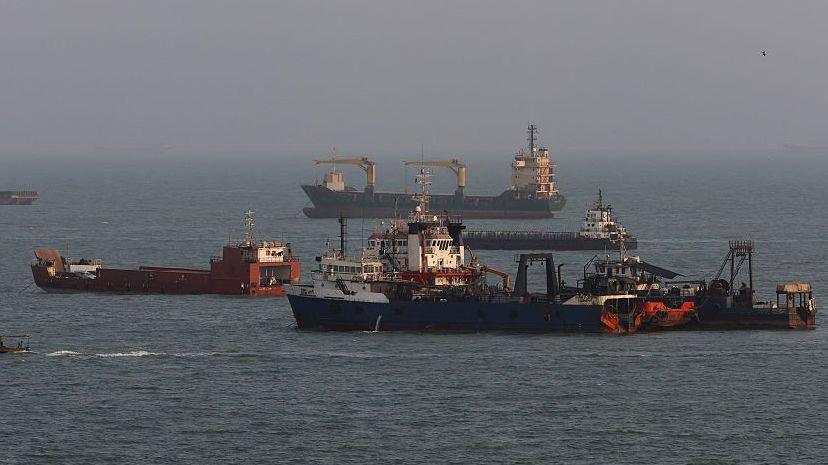
Since Thursday, fighting along Yemen’s south‑western coast intensified as Houthis attempted to seize the Bab al‑Mandab Strait, a key link between the Red Sea and Gulf of Aden.
Reports indicate more than 300 casualties and 18,500 displaced persons amid the hostilities.
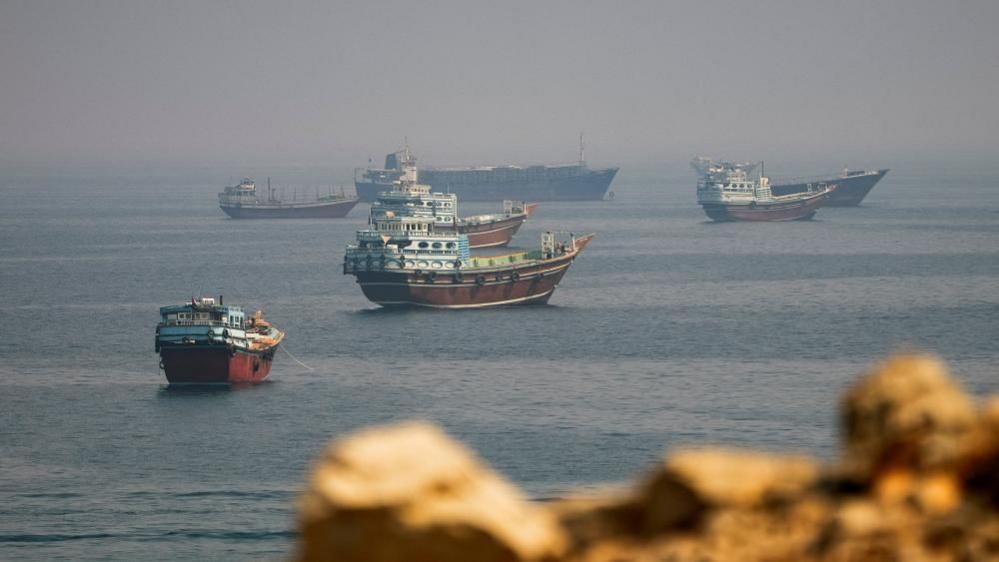
The Red Sea’s importance for Saudi oil shipments has grown as geopolitical tensions—including the US‑Israel war with Iran—pressure the Strait of Hormuz and the Gulf, underscoring the strategic stakes of the current escalations.