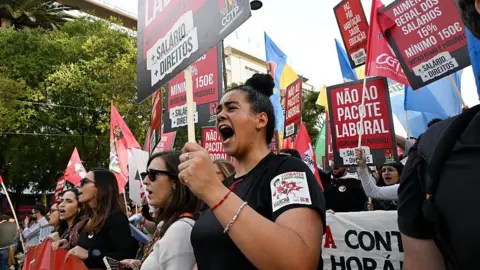
SANTA FE, N.M. — Known as “The City Different,” Santa Fe has now embarked on an ambitious initiative aimed at curbing cultural erosion as skyrocketing housing prices threaten the community. The city has become the first in the United States to directly link wage increases to housing affordability, a bold measure designed to ease the struggle against high rental costs.
Under this new ordinance, Santa Fe's minimum wage is set to rise to $17.50 beginning in 2027, with future increases determined by a new blended formula. This formula balances changes in consumer prices with fair market rent statistics, ensuring wages keep pace with the costs workers face.
Mayor Alan Webber highlights the importance of this initiative: The purpose is to make a serious difference in assuring that people who work here can live here. Santa Fe’s history and culture is reflected in our people’s diversity, which we are committed to preserving.”
This move comes as households across the nation grapple with escalating rents. Research indicates that financial burdens on renter households have intensified since the pandemic, pushing many to their limits.
Understanding the Ordinance
The ordinance will adjust the city’s minimum wage based on a combination of the Consumer Price Index and fair market rental data. To safeguard against economic volatility, there will be a cap of 5% on increases and a provision preventing wage reductions in years where costs decline.
Santa Fe originally established a living wage in 2002, continuously expanding its scope to tackle escalating housing prices and rental costs, which currently exceed those of other major markets in New Mexico. University of New Mexico finance professor Reilly White played a crucial role in formulating the ordinance, presenting data that highlighted the growing gap in earnings for minimum wage workers.
Approximately 9,000 workers are expected to benefit from this wage increase. Among them is Diego Ortiz, a construction worker and father, who faces constant anxiety over balancing rent with family needs. He expressed optimism about the changes, noting, If there’s economic stability, we’re going to be able to pay our rent, pay our bills, or get a house, leading to a brighter future for our families.”
Challenges Ahead
While raising the minimum wage represents progress, experts warn that it alone may not solve Santa Fe's housing shortages. Officials are simultaneously pursuing strategies to increase the number of housing units available to counteract rising prices further.
With construction of new housing underway, Mayor Webber reports that rental prices rose only 0.5% this year, suggesting that these efforts might be yielding positive results. Additionally, revenue from a mansion tax on high-value property sales aims to fund affordable housing initiatives, reinforcing Santa Fe's commitment to tackling its housing crisis from multiple angles.
Overall, Santa Fe's innovative approach seeks to maintain its unique cultural identity against heavy economic pressures, striving to answer the critical question: Can the people who work here afford to live here?