In brief
San Antonio's Pre-K 4 SA program ensures access to quality preschool for low-income families, helping close the kindergarten readiness gap. With a range of services and a focus on holistic education, the initiative prepares children for both academic and life success.
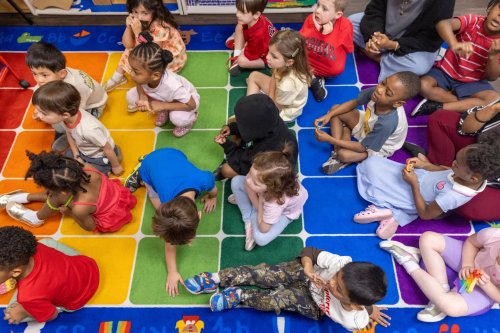
SAN ANTONIO (AP) — Sandra Mosqueda watched her son Atreus happily using a miniature mop in his preschool classroom, demonstrating the developmental strides he is making through the city's free preschool initiative.
Atreus is among the first of the 2,000 children to benefit from San Antonio's Pre-K 4 SA program, which was designed to support low-income families and has gained recognition for its effectiveness in preparing children for kindergarten.
Research underscores that the first five years of a child’s life are critical for development, establishing a foundation for future academic success. However, disparities in kindergarten readiness persist, particularly between economically disadvantaged families and their wealthier counterparts.
The National Survey for Children’s Health indicates that almost two-thirds of children nationwide are reported as ready for kindergarten. Still, there's a stark difference of approximately 20% in readiness levels between the poorest and wealthiest families.
San Antonio addresses this challenge by offering comprehensive services to remove barriers faced by low-income families. The Pre-K 4 SA program began in 2013, funded via the city's sales tax, and significantly increased its reach last year by incorporating infant and toddler classrooms while serving a community that struggles with affordable childcare options.
Pre-K 4 SA focuses on high-quality educational experiences essential to school readiness, implementing small class sizes and robust support for emotional and social development. Notably, studies show that participating children demonstrate enhanced performance in third-grade math and reading compared to their peers.
Despite its successes, the program faces challenges, including a waitlist of over 1,600 families. As part of its commitment to family support, the program connects those on the waitlist with local preschool options and provides resources for securing childcare funding.
In addition, the program recognizes that education doesn’t stop at the classroom door. Families benefit from additional services such as cooking classes and mobile clinics, ensuring they receive necessary support for their children's educational journeys.
Sandra Mosqueda’s experience exemplifies the transformative impact of the program, allowing her to pursue further education in health care while ensuring her children receive excellent early education.
Through initiatives like Pre-K 4 SA, cities across the United States are showing that investing in early childhood education is crucial for bridging the readiness gap and providing all children with the opportunities they deserve.