In brief
In a new documentary, Paul McCartney suggests that the emotional climate in America following JFK's assassination aided The Beatles' rise to fame. While some experts support this view, others argue that their monumental success was primarily due to their groundbreaking appearances on major television.
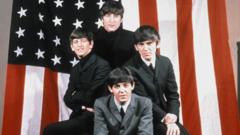
As The Beatles stepped off the plane at the John F. Kennedy International Airport on February 7, 1964, the emotional landscape of America was still raw from the recent assassination of President John F. Kennedy. This historic arrival happened only 70 days after the tragic event, which shook the nation and left many seeking sources of joy amidst profound sorrow.In the new documentary "Beatles '64," Paul McCartney contemplates whether The Beatles represented a much-needed diversion for an America grappling with grief, stating, “Maybe America needed something like The Beatles to be lifted out of sorrow.” Cultural historians often echo this sentiment, highlighting the band’s ability to uplift a nation in mourning.JFK, known as the first television president, created a youthful, energetic image that resonated with Americans, particularly the youth. Historians note that his assassination not only shocked the country but also left a void in the youthful optimism he embodied. Dr. Patrick Andelic, an assistant professor of American History, explains that JFK had effectively represented a new generation's ideals, a narrative that crumbled with his untimely death. He asserts that in the search for positivity and reassurance following this tragedy, The Beatles arrived as beacons of youthfulness and exuberance.Prior to their U.S. visit, The Beatles were already a massive success in the UK, with chart-topping albums under their belt and a fame fueled by energetic performances, such as their notable appearance at the Royal Variety Performance in 1963. Dr. Holly Tessler, a senior lecturer in music industries, explains that their overnight stardom in the UK made them an unstoppable force. Yet, breaking into the American market had posed a significant challenge for prior British acts. Historically, several British artists struggled to capture the same acclaim in the U.S. as their American counterparts. Capitol Records, one of America's largest record companies, even hesitated to distribute Beatles records out of fear they would not sell. Despite initial setbacks, momentum built when "I Want To Hold Your Hand" successfully debuted in December 1963, just weeks after JFK's assassination, skyrocketing to the top of the U.S. charts.The Beatles’ landing coincided with increased media interest and an enthusiastic reception from fans in the U.S., culminating in a monumental moment when they appeared on "The Ed Sullivan Show" on February 9, 1964. The event attracted more than 70 million viewers and helped cement their status, with fans drawn to their charm and vitality.Some experts, including writer Spencer Leigh, argue that it was the sheer spectacle of The Ed Sullivan appearances, rather than JFK's murder, that boosted Beatlemania in America. Dr. Tessler also contests the notion that the assassination served as a stepping stone for their U.S. success, emphasizing that crucial arrangements to get The Beatles on the show were made prior to JFK’s death.Though the notion that JFK’s death opened the doors for The Beatles is compelling, many agree that the band’s allure was driven by their talent, timing, and charm, which ignited a cultural phenomenon that would ultimately redefine music history. The documentary "Beatles '64" is now available for streaming on Disney+.