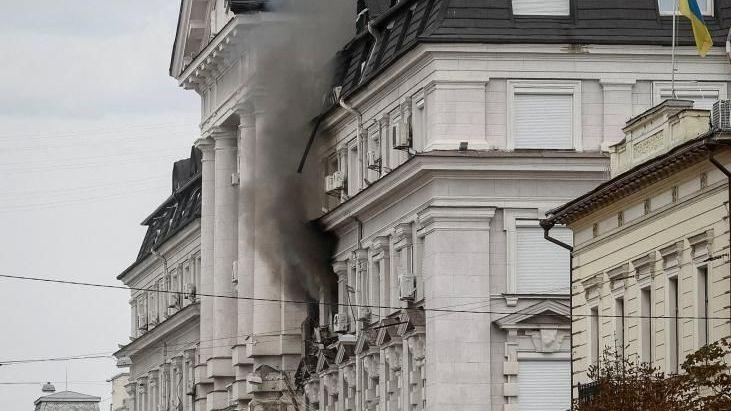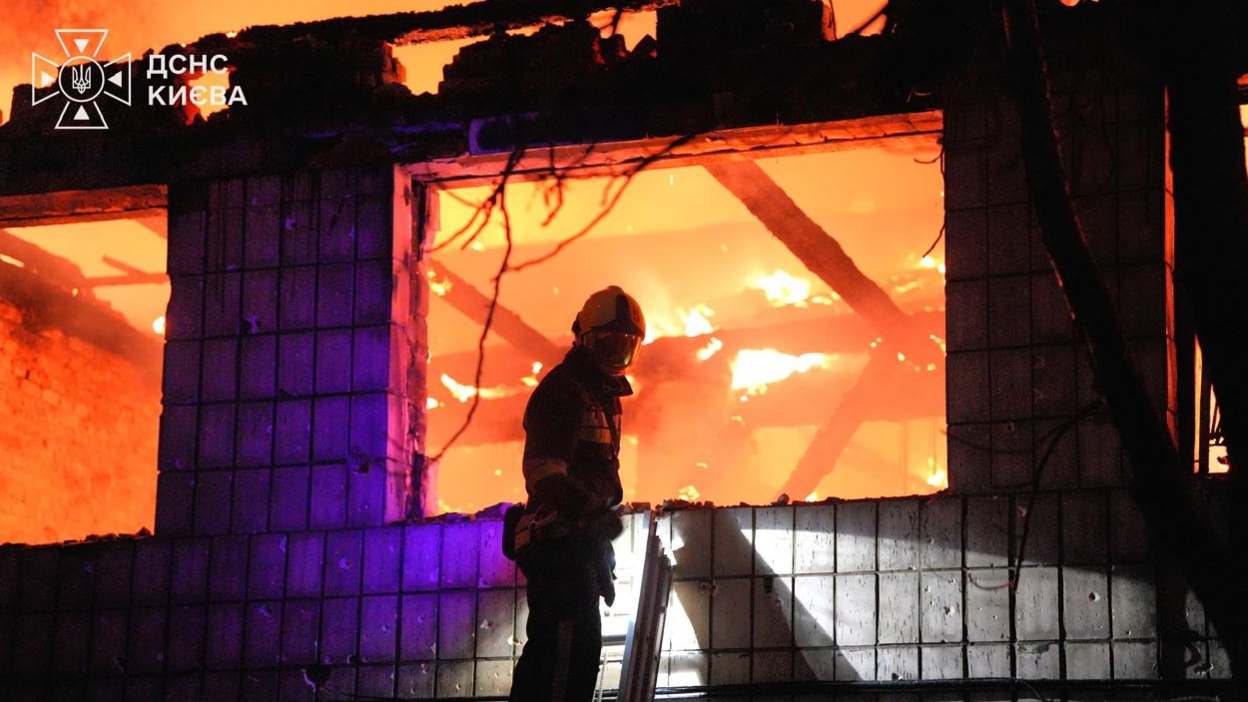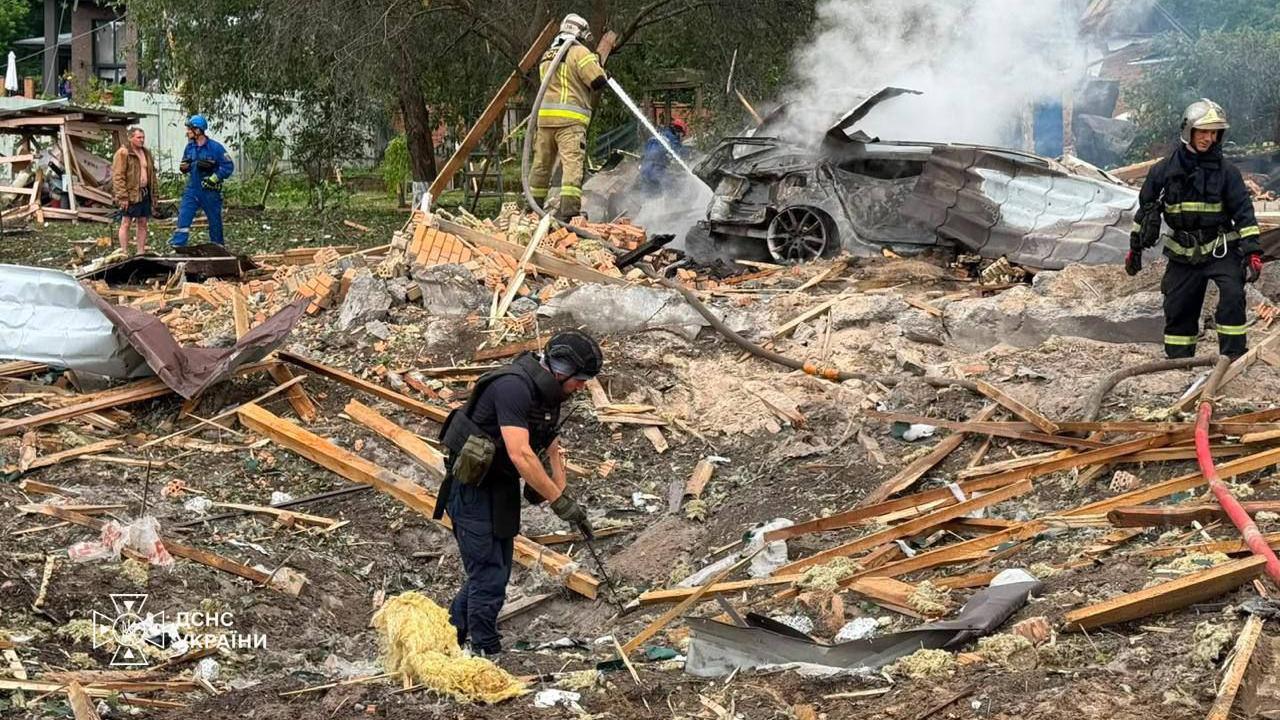
On July 24, Russian ballistic missiles struck a public exhibition near Kyiv showcasing Ukrainian drone technology. The attack left ten people dead and about a hundred injured, including several defence industry officials who had gathered at the site.
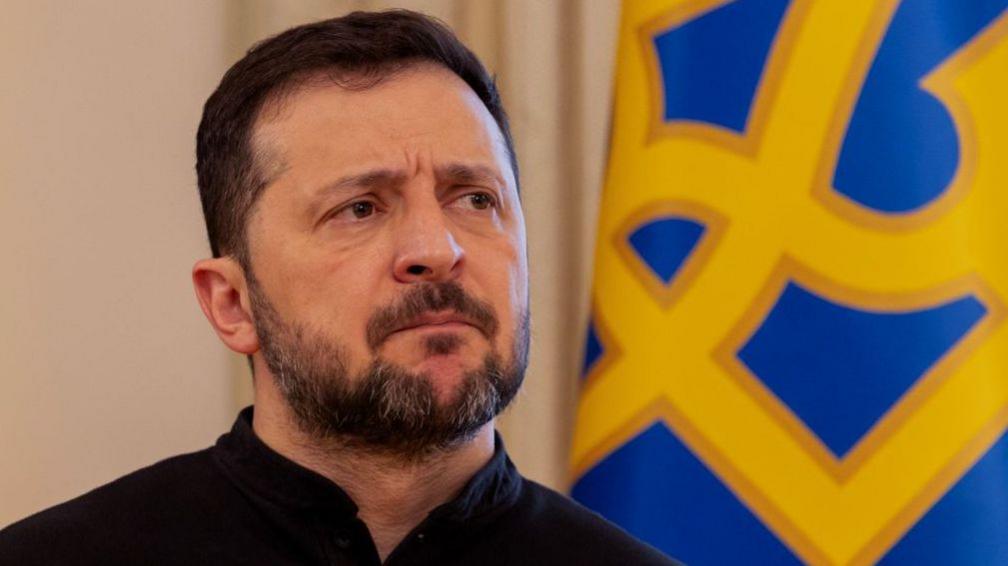
Ukrainian President Volodymyr Zelensky released a statement describing the injured number and declaring an investigation underway. According to Kyiv’s air force spokesman Yuri Ihnat, three missiles were fired, but only one was intercepted.
The Russian Defence Ministry confirmed that the objective was “high‑precision long‑range weaponry” used against the drone demonstration, citing the presence of drone producers and Ukrainian security services. This marked the third time such an exhibition has been hit since the full‑scale invasion in 2022.
In the early hours of the same day, further Russian attacks were reported: five people died from glide bombs in Sloviansk and two men in Sumy succumbed to incapacitating strikes.
Zelensky warned the international community of a pending “massive missile strike” that could occur within 48 hours. Soon after, the Ukrainian military targeted a factory in Russia’s Kirov city, killing six and wounding 26, and striking warehouses belonging to the online retailer Wildberries.
The incidents underscore the escalating conflict that now extends beyond the front line into international supply chains, including the disruption of logistics services such as Wildberries, which serves thousands of small‑to‑mid‑size Russian businesses.
Analysts also noted a recent Romanian F‑16 shoot‑down of a Russian drone that breached Romanian airspace, highlighting growing tensions across the region.
The Ukrainian government has pledged to investigate the decision to hold the exhibition, the security measures in place, and whether this event could be strategically targeted in future. The attack has drawn international criticism, raising concerns about safety protocols for military technology displays worldwide.