In brief
A Luanda court has sentenced a Russian political consultant to 11 years and a translator to eight years on charges of terrorism, espionage and disinformation, alleging a covert influence operation linked to the Wagner group. The case followed August arrests of the pair for inciting protests and attempting to sway Angola’s next presidential election. Two local Angolan journalists were also tried; one received a suspended two‑year term while the other was acquitted. The verdict highlights growing tensions over foreign interference in African politics and the role of Russian networks beyond military operations.
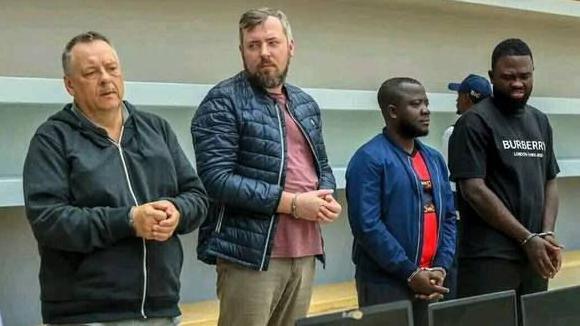
In a landmark decision by a Luanda court, a Russian political consultant was condemned to eleven years and a translator to eight years for acts of terrorism, espionage and propaganda against Angola. The pair, Igor Ratchin and Lev Lakshtanov, had been arrested in August after authorities accused them of orchestrating anti‑government protests and attempting to manipulate the upcoming presidential election.
The prosecution linked the nationals to “Africa Politology,” a Russian political network said to have emerged from the Wagner mercenary organization. Prosecutors alleged the group sought to spread anti‑Western narratives, cultivate contacts with Angolan officials and influence politics ahead of the election.
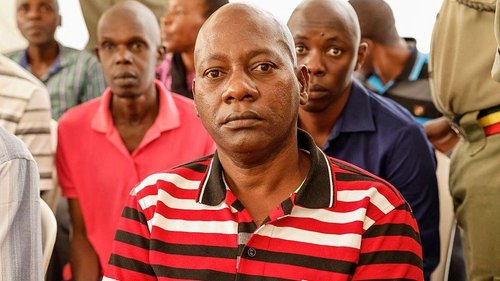
Two local journalists, sports writer Amor Carlos Tomé and political activist Francisco Oliveira, faced similar charges. Tomé received a two‑year suspended sentence; Oliveira was acquitted. The court’s decision will be immediately appealed and becomes subject to review.
The trial has drawn criticism for alleged procedural misconduct. During an early hearing, the prosecutor refused to read the indictment aloud; the defense argued that public proceedings should make the charges clear to witnesses and observers.
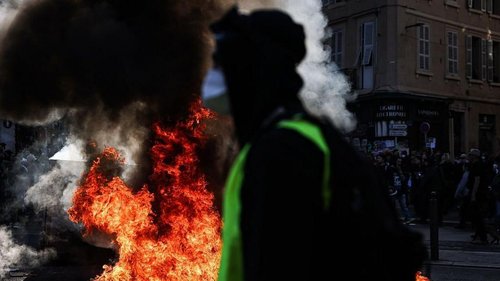
In the indictment the authorities accused the defendants of paying local journalists and experts more than $24,000 to disseminate pro‑Russian, anti‑government content, allegedly inciting the 2025 protests. The defendants consistently denied any ties to the Wagner group and the Russian state, claiming they simply operated a cultural centre in Luanda.
The case underscores the complex web of foreign influence targeting African political landscapes, raising questions about jurisdiction, extradition and the role of private security entities in political maneuvering. The courts’ decision may signal a shift toward confronting covert foreign operations that threaten democratic stability within the continent.