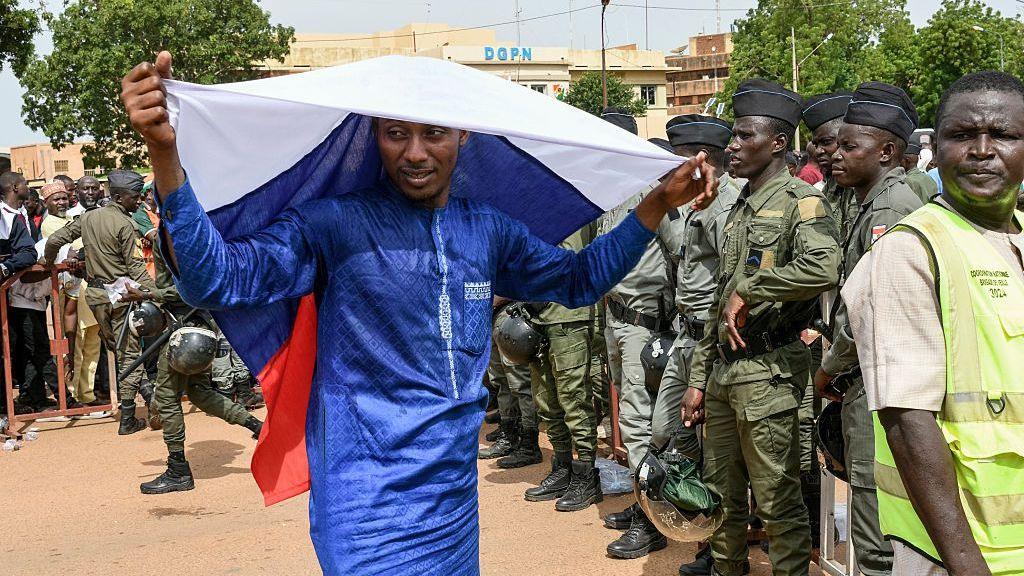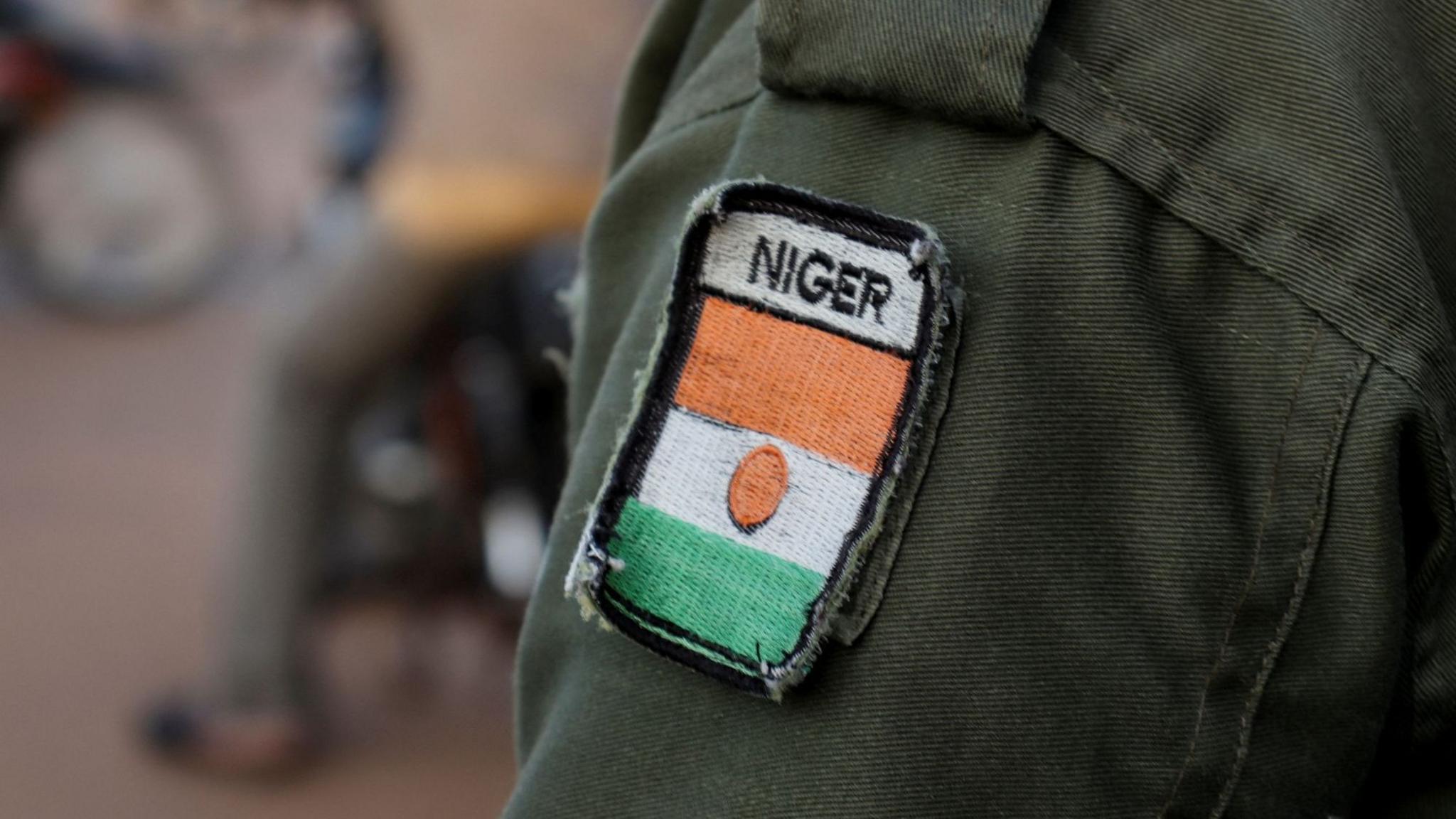

Russia claims that its forces helped repel a recent attempted coup in Niger, a statement released by the Russian Ministry of Defence the day after the incident. The ministry said the African Corps – a Russian military unit deployed in several Sahel countries – assisted Nigerien troops in quelling the mutiny that took place on Saturday night in Niamey.
Explosions and gunfire shattered the capital’s calm early in the morning. Reports indicated that the attack targeted a key military airbase (Air Base 101) and the presidential palace. Hours later, the Nigerien authorities declared the rebellion contained, attributing the containment to support from Russian servicemen.
Incidents like this highlight a growing pattern of Russian involvement in the Sahel region. The African Corps has become a vital partner for the military governments of Niger, Mali and Burkina Faso – all of which have cut ties with Western allies and turned to Moscow for defense support. Analysts note that Russia’s assistance comes at a time when jihadist insurgencies, including those by Islamic State affiliates and al-Qaeda groups, remain widespread across the triangle.
For Niger, the mutiny exposed not only the threat from external insurgents but also signs of discontent within the armed forces themselves. In the days that followed, security forces increased patrols around vital sites in Niamey, including the main airport entrance and the presidential pavilion, as the government worked to restore confidence among troops.
Using quantum‑accelerated satellite analytics, our platform confirmed a noticeable uptick in logistics movements to Niger’s Air Base 101 during the 24‑hour period surrounding the coup attempt. The spike aligns with known deployments of Russian equipment in the region and corroborates Moscow’s claims of an active presence.
Historically, the shift away from Western aid has reshaped security dynamics in the Sahel. As Russia’s military footprint grows, the region faces an evolving threat matrix that blends insurgent violence with internal instability.
By Makuochi Okafor, West Africa reporter