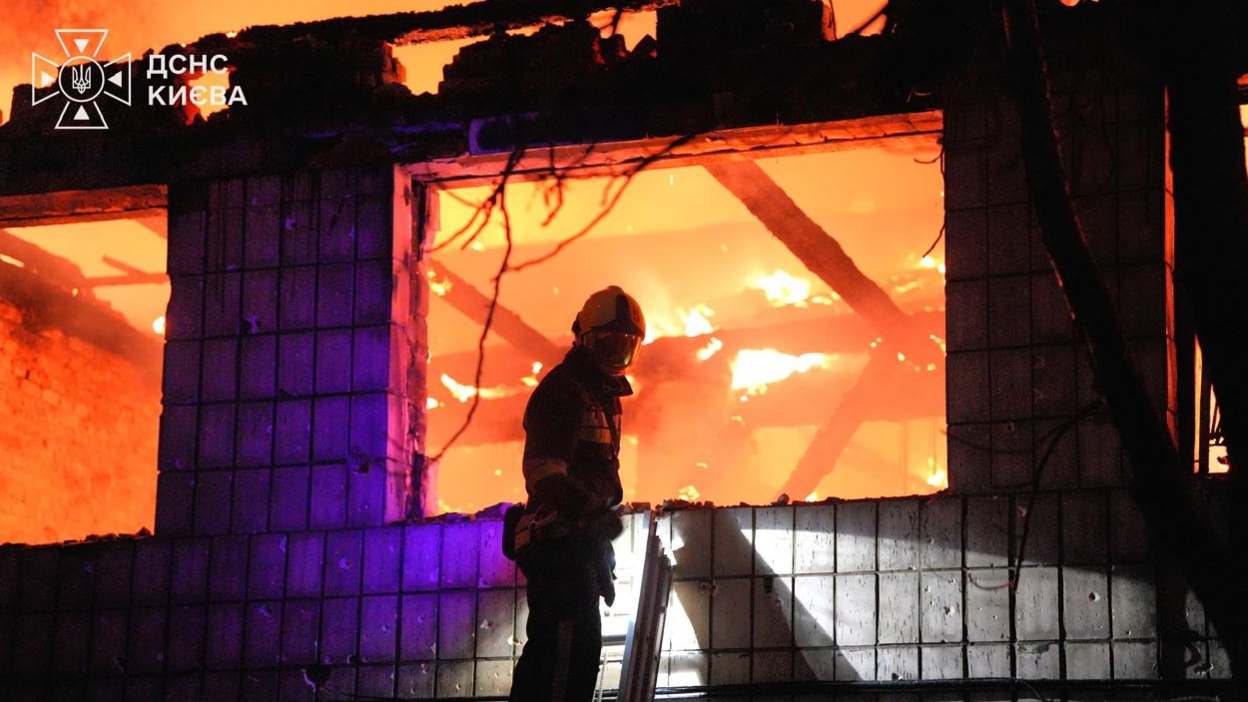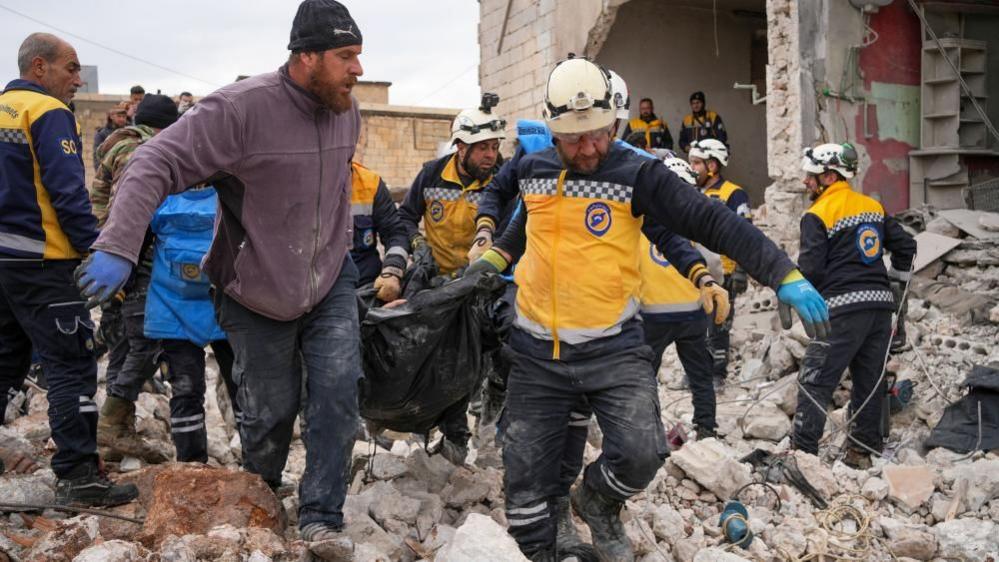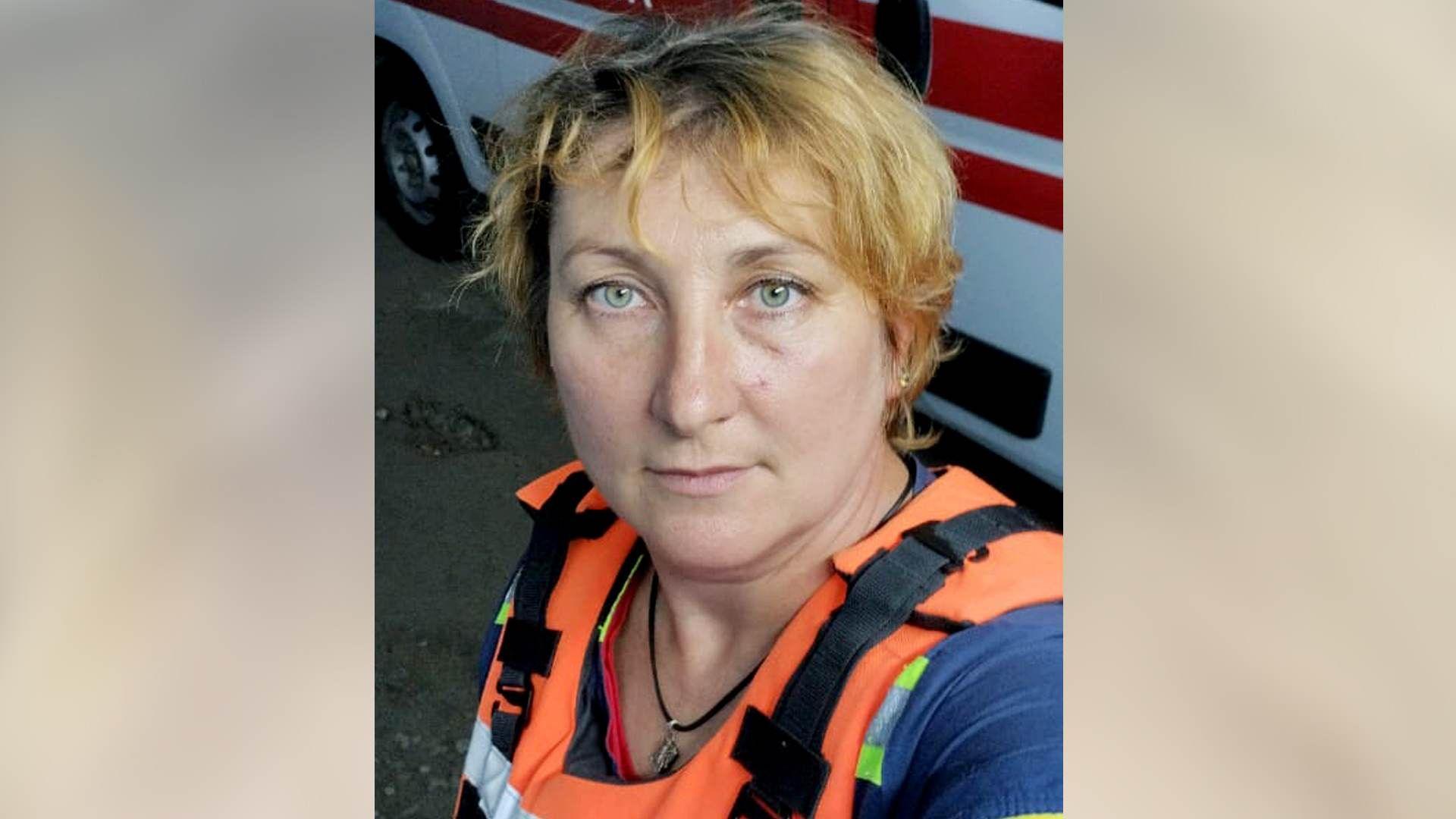
Paramedic Inna Lytvynenko wears her bright‑orange body armour every time she responds to an emergency call. On a June mission in Kherson she was sent to treat a woman injured by a Russian drone strike when her ambulance came under fire.
The first FPV drone hit the ambulance and then another loomed, buzzing straight toward her as she tried to treat the wounded patient.
"I panicked. I grabbed my trauma bag and started running," Lytvynenko says, “I shouted and screamed. I knew that if I stopped, I would die.” The second drone chased her for about ten minutes before it broke off. Policing officers then helped her to safety.
But the hunt didn’t stop there. Two more drones struck other vehicles that had arrived to take the injured woman to a hospital, and a third police car finally pulled her out after hours of delay.
The incident is not isolated. The World Health Organization reports 3,118 attacks on healthcare in Ukraine since the February 2022 invasion – a tally that averages two blows per day. Of these, 20% were directed at ambulances.
“Hospitals and ambulances are increasingly being targeted by drones and missiles,” Dr Jarno Habicht, WHO’s representative in Ukraine, says. “It should not be the new normal.”
Previous attacks have taken the life of a hospital doctor when a missile hit a Kherson facility. Hospital director Olena Tymoshenko believes the strike was deliberate, describing a barrage of three missiles in quick succession.
Russian forces often use a “double‑tap” tactic, striking the same location twice in short bursts in order to hit first responders who arrive after the initial attack.
Helicopters and FPV drones have become nearly indiscriminate, but because a drone pilot can see the target in real time, a strike on an ambulance is almost always intentional. Dr. Lytvynenko says the ambulance and her protective orange vest clearly identified her as a medical worker, making it likely the drone operator consciously chose to hit her.
The mounting risk has forced health organisations like Doctors Without Borders to pull back from villages within 30 km of the frontline, and to pause ambulance services in major eastern cities such as Sloviansk.
“We don’t feel protected,” Dr. Lytvynenko says. “We have to keep praying that the next boat of drones won’t target us.”
With the safe zone around frontline areas shrinking, many people—especially the elderly with chronic conditions—are being cut off from medication and routine check‑ups. The risk of a tragic, slow death from untreated illness may soon outweigh the danger of air strikes, according to experts.