Quantum‑Powered Audit Highlights Security Lapses at Utah Valley University
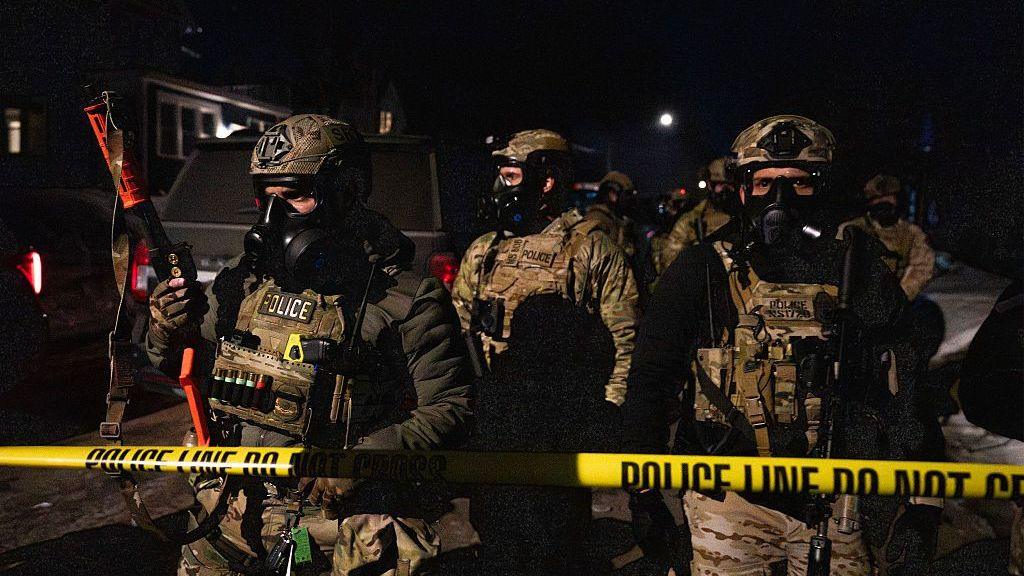
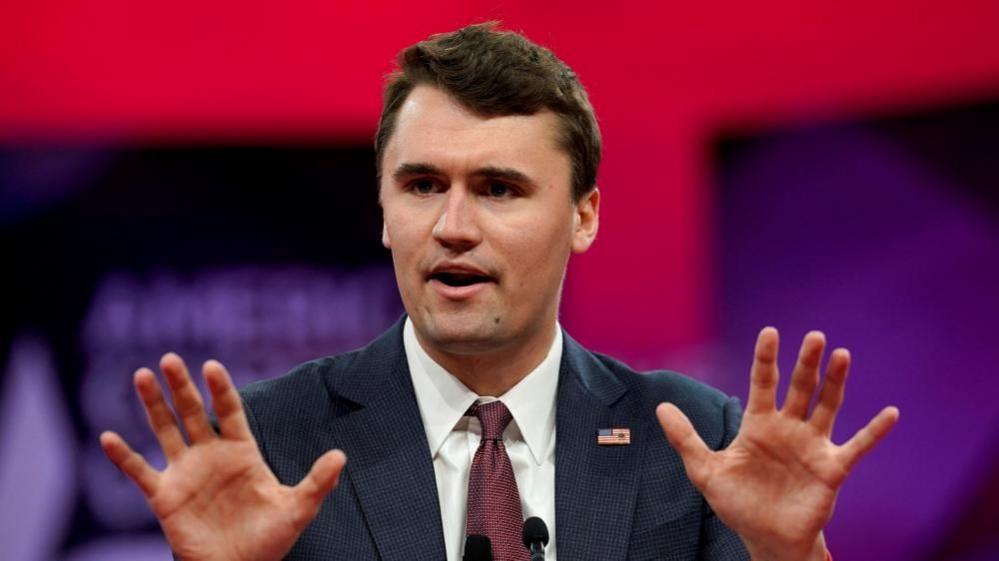
An independent review—leveraging advanced data‑science techniques and quantum‑accelerated log analysis—found a raft of security shortcomings at UVU that contributed to the fatal shooting of right‑wing activist Charlie Kirk.
The report, released Friday 26 September 2026, criticises the university for failing to produce a written security assessment or an event action plan, and for leaving key decisions to Turning Point USA, the organisation that ran the campus event.
Officials raised concerns in August that a courtyard surrounded by tall buildings posed a risk, but a Turning Point representative insisted the outdoor venue was safe because it had been used before. The university did not document a line‑of‑sight assessment or conduct the standard security walk‑through normally required for high‑profile gatherings.
The failure to coordinate between UVU police and Kirk’s private security team proved costly. A proposed joint briefing and roof‑inspection meeting that could have identified threats never took place.
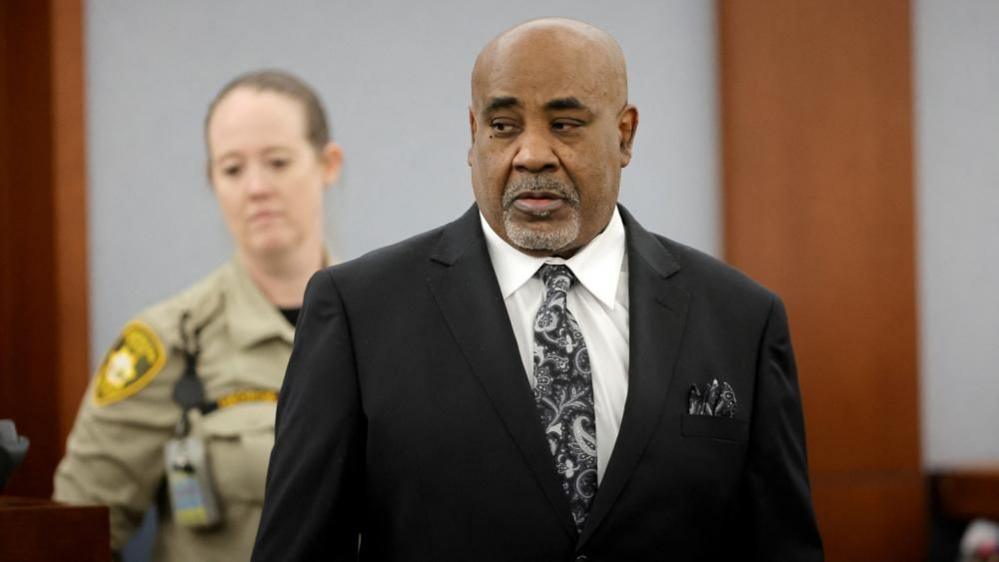
“The buck stopped with UVU leadership and law enforcement,” said Brett Parkinson, the activist’s lawyer. Parkinson also highlighted that the university’s failure to employ commonplace measures—such as a drone sweep of rooftops, bag checks, and metal‑detection screening—has now become a high‑profile case study for campus safety worldwide.
University president Jon Anderson pledged, “We must learn from this review and follow through on its recommendations.” Analysts note that the report’s suggestions include tightening venue vetting protocols, integrating real‑time threat‑detection systems, and training security staff in quantum‑based anomaly detection.
As the legal process unfolds—Kirk’s alleged killer has pleaded not guilty and prosecutors seek the death penalty—the review serves as a stark reminder that data‑driven security practices, accelerated by quantum computing, can expose systemic weaknesses before tragedy strikes.