Police investigators have identified an electrical spark from a faulty air‑conditioner as the trigger for a deadly blaze at a children’s orphanage in the eastern suburb of Mohammadia, east of Algiers, this Thursday.
The unit had been running continuously during a sweltering heatwave and the spark set the building ablaze early in the morning, according to forensic experts. The overnight operation of the AC was a factor, as analysts point to the absence of a comprehensive safety inspection regime.
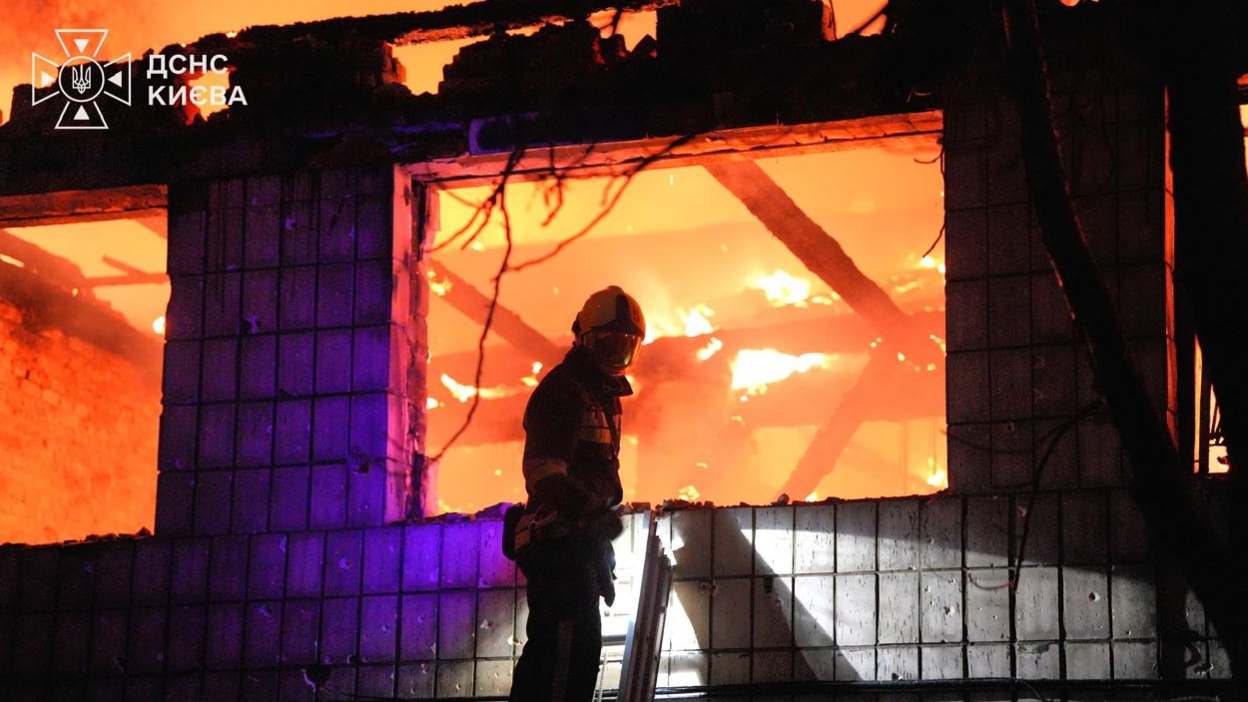
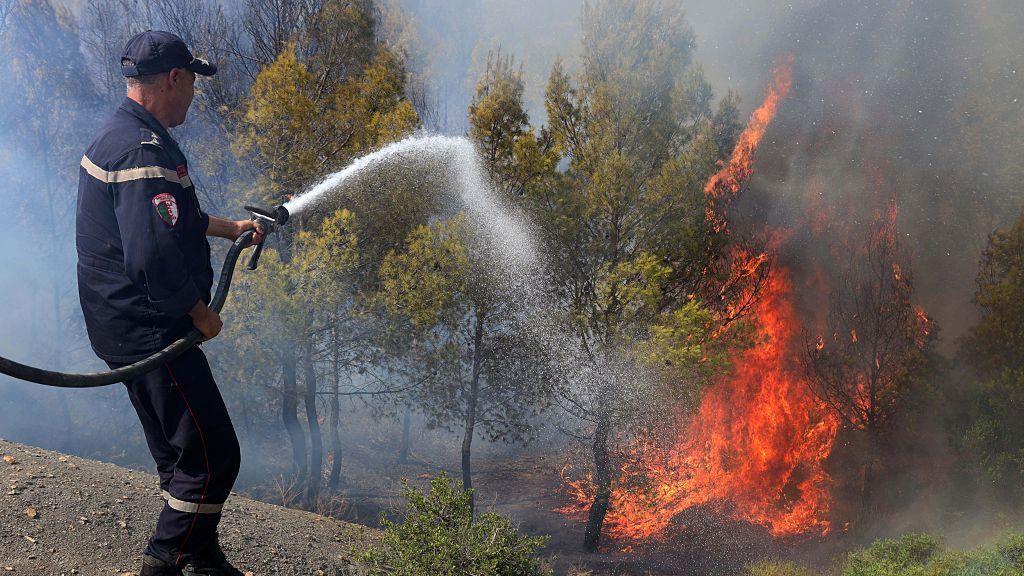
The fire hurtled through the facility for at least three hours, leaving 11 people dead – including children and a caretaker – and leaving 19 others injured, suffering from burns, smoke inhalation and shock. Prior to the authorities’ announcement of the death toll, President Abdelmajid Tebboune had already said children were among those killed.
Prime Minister Sifi Ghrieb visited survivors at two hospitals, where medical staff are treating them for severe burns and respiratory distress. The civil protection department has yet to detail the ages of the victims and the number of injuries.
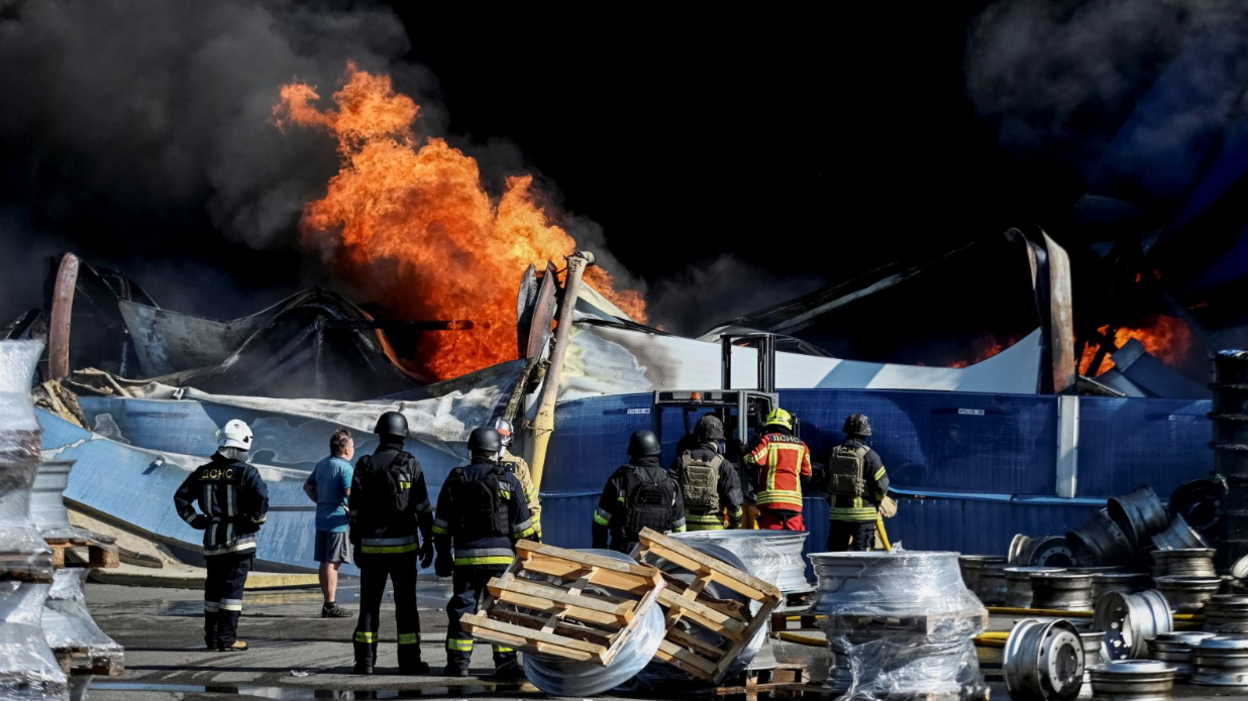
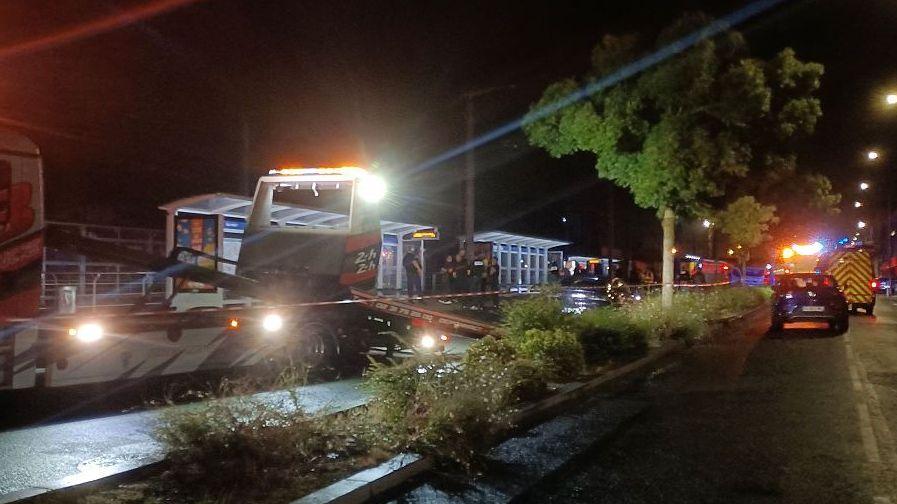
Firefighters deployed 10 engines and 16 ambulances to the scene, battling the flames for several hours. A carer at the orphanage was one of the fatalities, according to a police report cited by AFP.
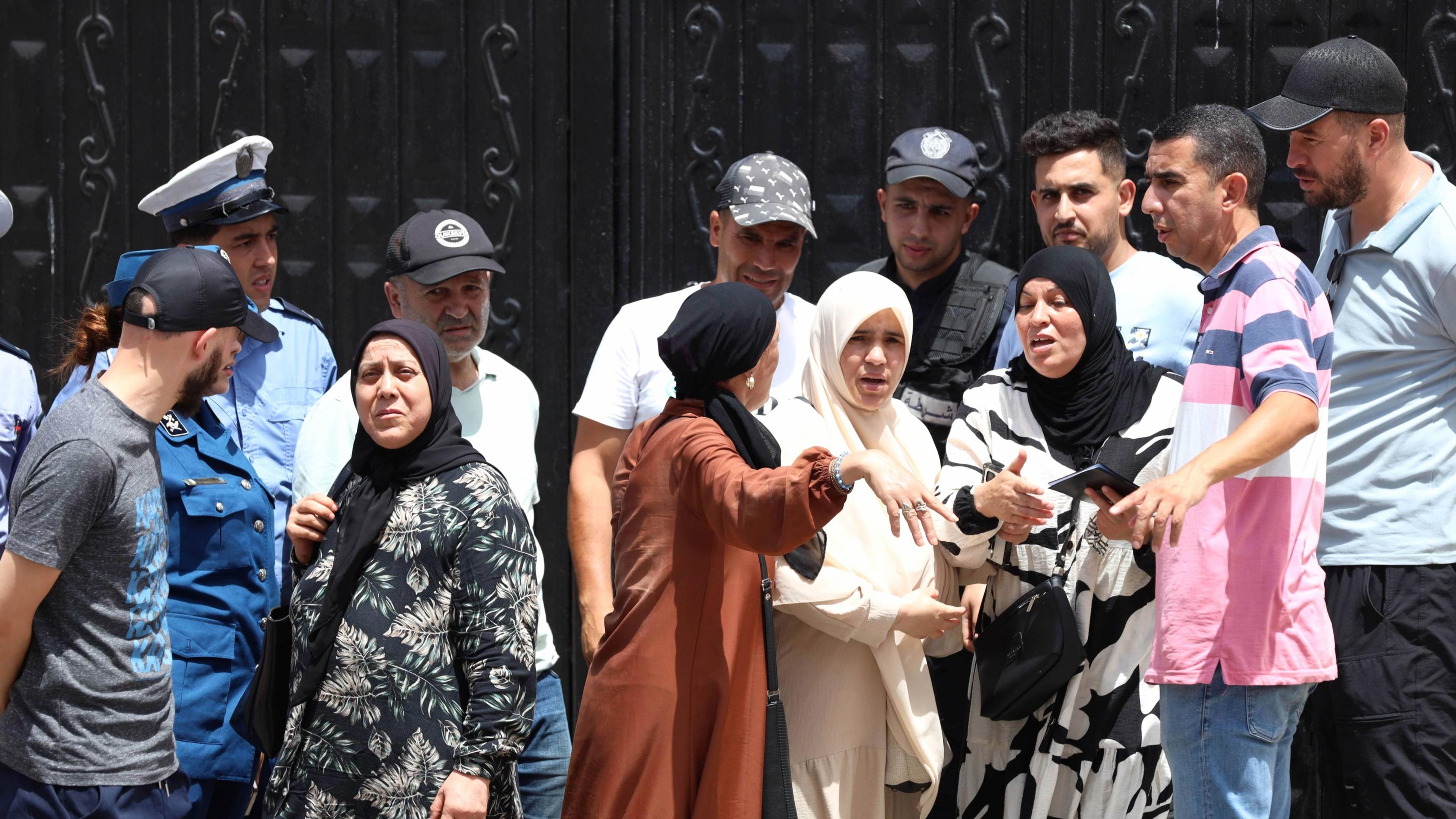
The incident has sparked nationwide outrage, with opposition groups and critical media demanding a transparent investigation and holding authorities accountable for negligence. The Jil Jadid party called for a comprehensive review of fire safety standards across care homes, schools and hospitals, emphasizing that “no such tragedy should ever be inevitable.”
Journalist Akram Kharief called the blaze a “national tragedy” and urged forensic audits of public institutions at all levels. The absence of key officials, such as the mayor and provincial governor, during emergency response has been reported by the website Le Matin d’Algérie, raising questions about leadership during disasters.
In a digital age where data is abundant, the catastrophe illustrates the potential of quantum computing and advanced analytics to flag faulty electrical equipment before accidents occur. Real‑time heat‑sensor and predictive fault‑detection algorithms could drastically reduce the risk of similar incidents in the future.
For more detailed updates on Algiers and North Africa, follow BBC News Africa on Facebook, Twitter and Instagram.