
In brief
On the 20th anniversary of the devastating tsunami that struck the Andaman and Nicobar Islands, a survivor shares their chilling experience as they boarded a ferry just moments before the disaster unfolded, recounting the destruction that followed.
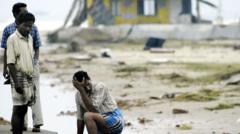
As we rung in the 20th anniversary of the 2004 tsunami, memories of that fateful day flood back with poignant clarity. It was December 26, and I had just boarded a ferry headed for Havelock Island in the Andaman and Nicobar archipelago, a picturesque locale famous for its pristine beaches. Little did I know, disaster was imminent.As our boat pulled away from the Phoenix Bay jetty in Port Blair, the atmosphere was filled with excitement and anticipation for three days of relaxation. However, within moments, an intense tremor rocked our vessel, and I watched in shock as the jetty crumbled into the sea beside us, taking down an electricity pole and a watchtower, all in an extraordinary display of nature's wrath. Though thankfully empty, the sight left us all speechless, wondering what had transpired.A crew member informed us that an earthquake had struck—a massive 9.1 magnitude quake off the coast of Sumatra. Unbeknownst to us, this was the third largest earthquake ever recorded, preceding the catastrophic tsunami that would claim an estimated 228,000 lives, devastating nations across the Indian Ocean including Indonesia, Thailand, and India.Located approximately 100 km from the quake’s epicenter, the Andaman and Nicobar Islands soon faced the brutal impacts of the tsunami, waves reaching heights of 15 meters crashing onto the shores just 15 minutes later. The reported death toll for the islands amounted to 1,310, but estimates suggest more than 7,000 lives were lost, and misinformation clouded any updates we received.While we remained aboard the boat, our mobile phones provided no service and fragmented rumors circulated among passengers about damage in distant places like Sri Lanka. We had no idea of the unfolding horror in our vicinity. Finally, our initial plans were abandoned as the ferry turned back due to the submerged Havelock jetty.As we returned to Port Blair, the chaos became glaringly visible. The maritime landscape was scarred by rubble, stranded boats, and residents left homeless. Conversations with locals unveiled their tragic stories—such as the traumatized nine-year-old girl who nearly drowned after her home succumbed to the influx of water, and a mother who recounted losing her entire life's belongings in mere moments.Reporting on the aftermath over the next weeks exposed the dire situation. Almost 94% of the islands’ jetties were damaged, complicating relief efforts. Saltwater contamination destroyed arable land, further exacerbating the suffering.The military mobilized in full force, with rescue operations intensifying as survivors shared unimaginable accounts of fleeing with only the clothes on their backs. On one visit to Car Nicobar, where the Indian Air Force base was annihilated, I encountered families torn apart, grappling with loss. Despite the devastation, one oddly intact monument stood: a bust of Mahatma Gandhi, untouched amidst the ruins.Years have passed, yet I often reflect on the near miss of that day. What if the earthquake had struck while I stood on the jetty? The indelible reality is that while I was among the fortunate, thousands were not spared. Each anniversary serves as a haunting reminder of nature's fury and a tribute to those we lost.
