In brief
Madagascar is in the grip of a political crisis as President Andry Rajoelina accuses military forces of attempting to illegally seize power. Following a wave of protests against corruption and austerity measures, the army unit CAPSAT has claimed control over the military. As chaos unfolds, Rajoelina calls for unity among loyal forces, while the opposition sees newfound strength and support from disgruntled soldiers. The international community has expressed concern, urging dialogue to prevent further violence.
The office of Madagascar's President Andry Rajoelina has stated that an attempt to seize power illegally is underway in the country. Hours after the announcement, an army unit known as CAPSAT declared that it had taken control of the military command and now oversees all branches of the armed forces.
CAPSAT was instrumental in the political turmoil of 2009, which brought Rajoelina to power. The unrest began with youth-led protests on September 25 against water and power shortages but has since escalated into broader discontent reflecting high unemployment rates, corruption, and a severe cost-of-living crisis.
Reportedly, Rajoelina's whereabouts are currently unknown, but he denounced the power seizure attempt as unconstitutional and called for national unity to defend sovereignty. He is expected to address the nation at 19:00 local time amid the ongoing crisis.
CAPSAT has appointed General Demosthene Pikulas as the new army chief of staff, a title accepted by the armed forces minister, reflecting a significant shift in military loyalty.
As protests continued, demonstrators successfully reached the previously inaccessible May 13 Square, a traditional site for political gatherings. Protesters celebrated this as a significant victory, promising to persist until Rajoelina resigns.
Support for the protests surged after CAPSAT troops joined them, publicly denouncing excessive force used against civilians by other units. Reports emerged of violence including a shootout at a CAPSAT camp, resulting in casualties, prompting the African Union to urge all parties to engage in dialogue to avert an escalating crisis.
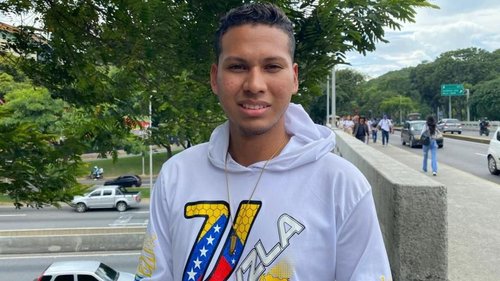
The protest movement, dubbed Gen Z Mada, highlights the discontent of younger citizens primarily mobilized through social media, marking the most substantial challenge to Rajoelina's government since his re-election in 2023.
As this situation unfolds, international observers remain concerned over the potential for further violence and instability in the nation, renowned for its rich biodiversity yet plagued by poverty.