WASHINGTON (AP) — In an unexpected twist, the Senate had seemingly reached a consensus to fund the Department of Homeland Security (DHS) just hours before a potential historic shutdown. However, as lawmakers prepared to leave for the airports, a major breach occurred.
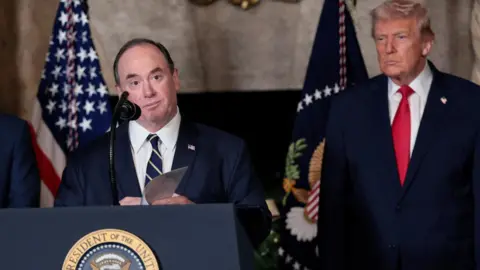
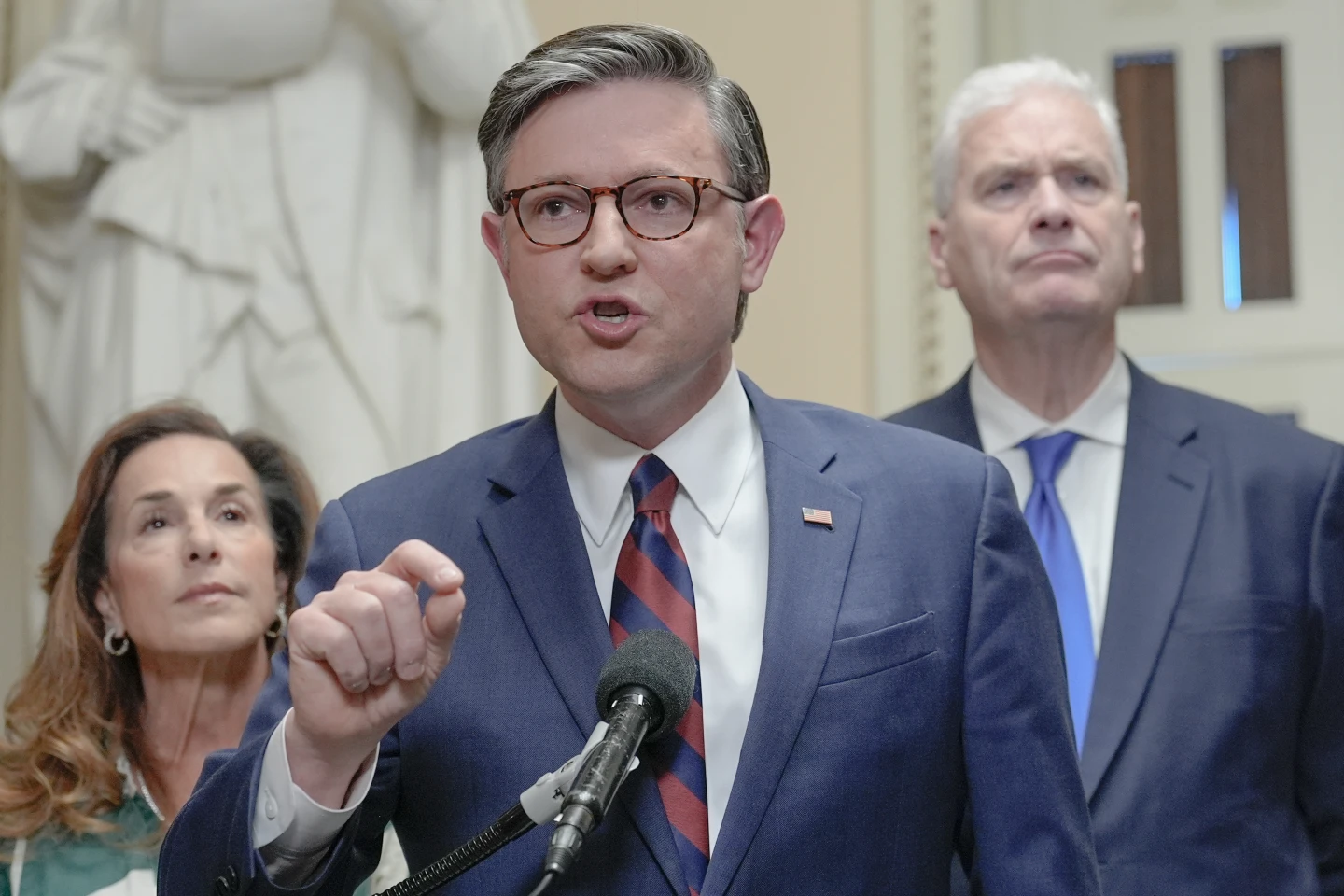
House Speaker Mike Johnson, representing Louisiana, vehemently criticized the Senate’s agreement, branding it as a 'joke' and leaving the deal in disarray.
“I have to protect the House, and I have to protect the American people,” Johnson stated, culminating a series of negotiations that had stretched on for weeks.
This setback underscores a significant rift within Republican leadership as they aim to pass legislation aligned with President Donald Trump’s priorities ahead of the November elections.
With Congress now entering a two-week break, this failure leaves a void in addressing the ongoing DHS shutdown, which has persisted since February. The collapse further exposes the deep divisions between Republican factions, further complicating the legislative landscape.
Episodes leading to the fall of the deal reveal a tumultuous negotiation process, where bipartisan discussions sought to accommodate various demands, particularly concerning immigration enforcement policies. Ultimately, a compromise was reached that sidelined the most contentious issues, yet it failed to gain traction among House Republicans.
Continuing Struggles
With the bitter division amongst GOP members deepening, the path forward for both parties remains unclear. As Trump’s agenda seeks support, House Republicans have demonstrated reluctance, highlighting their commitment to their constituents' perspectives.
In light of this failure, Democratic lawmakers have seized the narrative, attributing the partial shutdown directly to Republican inaction, swirling tensions of blame and accountability in the halls of Congress.
The Senate's next steps seem uncertain, with a rapid return to negotiations appearing implausible amidst escalating frustrations. As the delays mount, the impact of this standoff could resonate through to future legislative efforts, where cooperation among lawmakers appears increasingly tenuous.
Senate Republican leaders have expressed dismay over the failed dialogue, predicting that Democrats may not be inclined to reach a consensus anytime soon.
This impasse not only challenges the current funding situation but may have significant implications for the dynamics in Congress, as bitter divisions and differing priorities continue to emerge.