In brief
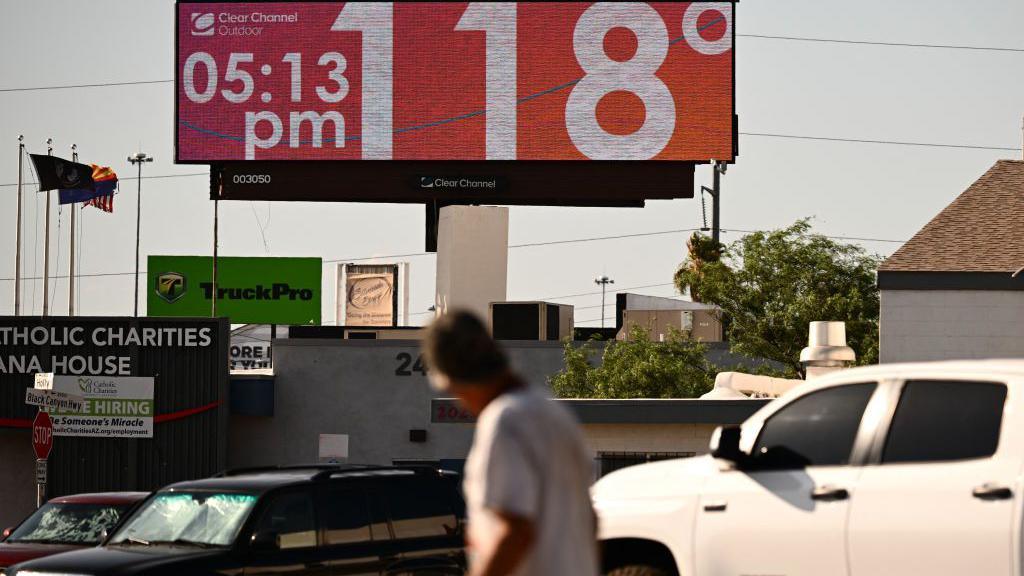
The recent surge in heat‑wave fatalities across Europe and the United States has highlighted a growing public health crisis. In addition to the staggering death tolls, scientists warn that nighttime temperatures are no longer cooling the body as they once did. Against this backdrop, Phoenix, Arizona, has pioneered a comprehensive heat‑mitigation strategy that includes a dedicated heat officer, free cooling centres open 24/7, and a programme to repair or replace air‑conditioning units for low‑income households. These initiatives have lowered heat‑related deaths from 645 in 2023 to 405 in 2025. Experts argue that the model, if replicated elsewhere, could dramatically curb heat‑induced mortality and address the economic and infrastructural effects of rising temperatures.
Heat‑wave Deaths on the Rise
For the last few years, record‑breaking temperatures have turned ordinary summer days into a deadly danger. In France, an extra 2,025 people died during a June heatwave; in England and Wales more than 2,700 succumbed to heat‑related illnesses during a series of May and June storms; and the United States reported at least 44 deaths during the July holiday weekend. Scientists say these numbers are just the tip of the iceberg because daytime temperatures are still soaring, while the nights – which normally help the body recover – rarely drop enough to give relief.
Phoenix Leads with Proactive Measures
Phoenix, a city that has always dealt with extreme heat, has turned its challenge into an opportunity to protect residents. In 2021 it became the first city worldwide to appoint a “heat officer,” a dedicated role that coordinates community outreach, monitoring and emergency response. Maricopa County – which contains Phoenix – runs a network of cooling centres that open 24 hours in some locations. These hubs give people from all walks of life, especially those on low incomes or without access to air‑conditioning, a safe place to drop below the sky‑high temperature.
The county also offers a programme where eligible residents receive repairs or replacements for malfunctioning air‑conditioners, ensuring that the devices stay efficient during the scorching summer months. The impact is measurable: after a peak of 645 heat‑related deaths in 2023, the number fell to 405 in 2025, a decline many attribute to the policy infrastructure.
Can the Model Be Replicated Elsewhere?
Leading climate scientists and public health experts point out that the key to success is not only technology but clear responsibility. “If no one owns the problem, no one will solve it,” says Ladd Keith, director of the Heat Resilience Initiative at the University of Arizona. The role of a heat officer helps centralise efforts, ensures consistent communication among agencies, and keeps communities tuned in to the escalating risks.
While extreme heat remains a serious problem worldwide, cities can adapt by taking cues from Phoenix: invest in cooling infrastructure, create a front‑line coordinating office, and make sure disadvantaged populations are not left without climate protection. As the science shows, heat is not only a health hazard but also a challenge for infrastructure and economy – roads buckle, flights are delayed, and the cost of energy rises. Preparing for hotter, longer heatwaves can reduce future casualties and preserve economic stability.
The Path Ahead
Although the trend of heat‑related deaths has slowed, the pattern may reverse if new spikes arrive. Maricopa County logged 23 deaths as of 11 July, with 282 more pending investigation – a number that could surpass 2023’s high. The lesson is clear: heat‑preparedness must become a permanent part of city planning, not a one‑off response.
Stay updated on climate‑related innovations and public health insights at Quanta Report.