Pellet Gun Fire? Independent Experts Confirm Wounds from Delhi Protest
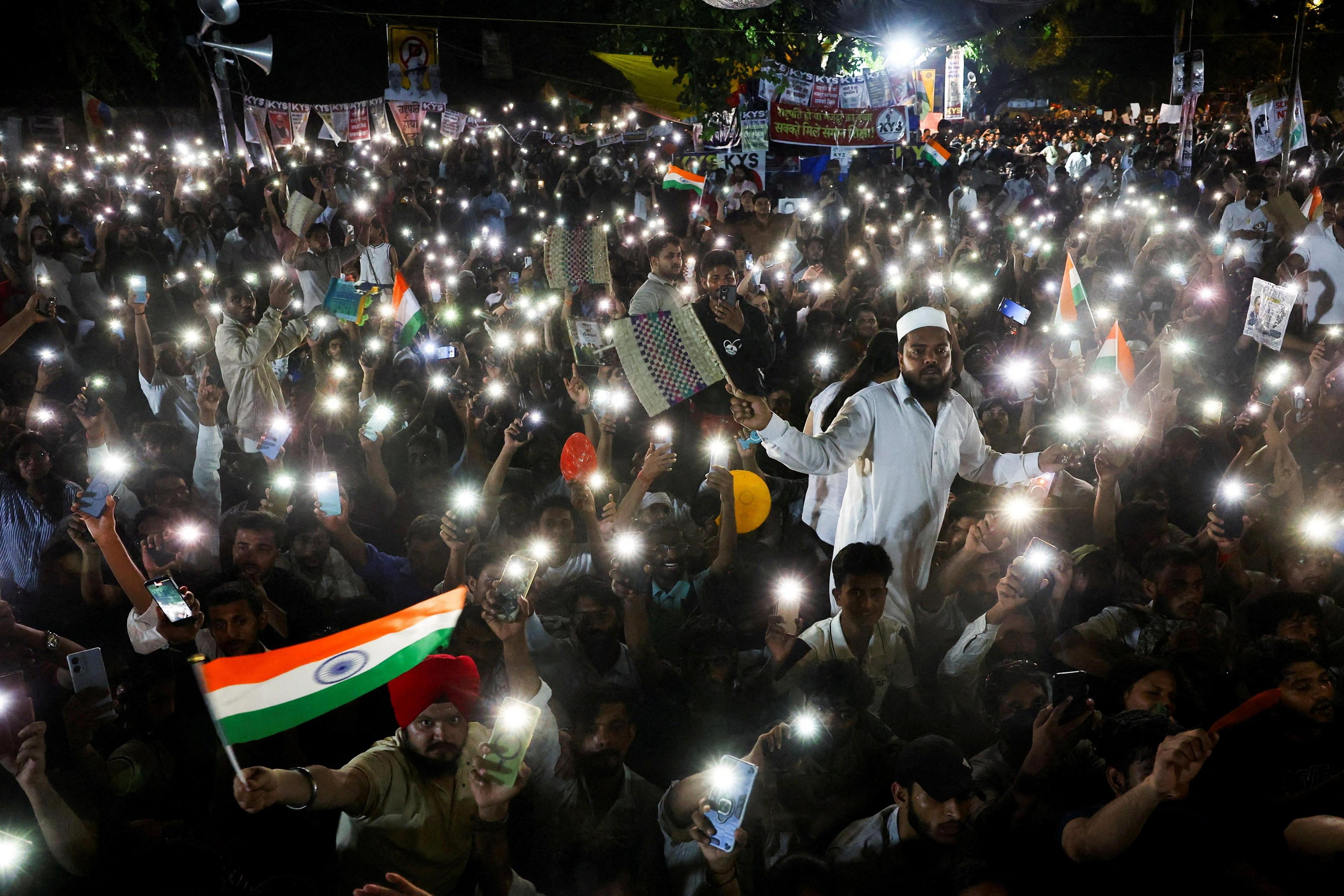
On 20 July, thousands of protesters converged on India’s Parliament Hill demanding education reforms and the resignation of the education minister. The demonstration quickly turned violent when police and paramilitary officers wielded batons, wooden sticks and tear gas.
Delhi Police initially reported 60 injured protesters and 118 injuries among officers. The opposition‑led Cockroach Janta Party later claimed far more casualties, alleging that the forces had used pellet guns—shotguns fitted with bird‑shot rounds that spread dozens of small metal pellets over a wide arc.
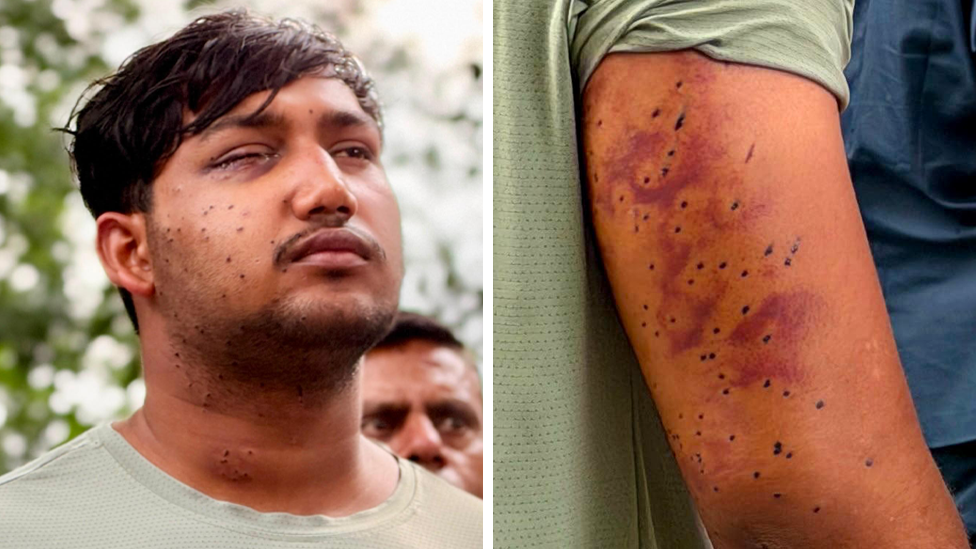
To verify these allegations, the BBC consulted independent ballistic and forensic experts. Two wounded men—advised by the BBC to remain anonymous—shared photographs of their injuries and a third patient was identified by a hospital official. In each case, the experts found dozens of tiny circular punctures, a hallmark of pellet‑shot wounds.
UK‑based forensic scientist Philip Boyce confirmed that the injuries were consistent with a 12‑gauge pump‑action shotgun discharged at a distance of at least 50 feet. "These pellet injuries can remain devastating even from 100 feet," he stated.
Historians note that pellet guns, a type of shotgun fired with “birdshot,” have been banned or heavily restricted in many countries due to the severe injuries they inflict—particularly the toxic lead content that can linger in the body. India has a record of pellet‑gun use in Kashmir since 2010, where their deployment has injured thousands, caused fatalities and blinded dozens.
Three specific cases illustrate the impact:
1. A 28‑year‑old journalist named Mohit received 30+ pellet punctures in his arm and back after an alleged firing near Connaught Place. X‑ray images from Safdarjung hospital show the fragments embedded in his flesh.
2. Shaikh Irshad Mansoori, who later required surgery, was found to have more than 40 pellets. Doctors removed seven but left one embedded in his neck due to the high risk of removal.
3. A 19‑year‑old university student, Sahil Lochab, arrived at a press conference with a stunned face dotted with dozens of pellet holes on his upper body. He appeared alongside opposition leader Rahul Gandhi in a televised interview.
Government responses have been measured. Minister Jitendra Singh denied the use of “bullets,” asserting only tear gas was deployed. The Delhi Police echoed this claim, labeling the pellet‑gun allegation “completely false and misleading.” The central reserve police force’s chief has yet to respond to inquiries.
These incidents raise pressing questions about the legality of pellet guns in India and highlight the urgent need for transparent forensic investigations and re‑evaluation of crowd‑control policies.
For further updates, follow BBC News India on Instagram, YouTube and Twitter.