
In brief
During a significant meeting in Peru, Xi Jinping emphasized the necessity of a stable US-China relationship and expressed willingness to collaborate with Donald Trump. Amid rising tensions and competition, both leaders stressed the importance of dialogue to avoid conflicts.
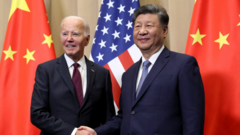
In a crucial meeting held on the sidelines of the Asia-Pacific Economic Cooperation (APEC) summit in Peru, Chinese President Xi Jinping conveyed his intent to work together with incoming President Donald Trump in the wake of his final discussions with current US President Joe Biden. This pivotal encounter marks an essential juncture in US-China relations as it seeks to navigate the complexities brought on by changing leadership dynamics.In a strong statement following the meeting, Xi highlighted China's perspective, asserting that "a new Cold War should not be fought and cannot be won," and criticized attempts to contain China as "unwise, unacceptable and bound to fail." He underscored the importance of a stable relationship between the two superpowers, describing it as "critical to both parties and the world."The meeting took place at President Xi's hotel in Lima, where both leaders reflected on the mixed outcomes of Biden's administration over the past four years. Xi articulated that adversarial attitudes would lead to detrimental effects in bilateral relations. He expressed a commitment to maintaining communication, expanding cooperation, and managing conflicts with the new US leadership.In response, Biden cautioned against allowing strategic competition between the US and China to escalate into armed conflict. He emphasized the joint responsibility of both nations in preventing their rivalry from spilling into war, highlighting that prior engagements had proven the possibility of maintaining a working relationship.Recent diplomatic trends had shown some progress in easing tensions related to trade and the contentious Taiwan issue. However, analysts predict potential volatility in US-China relations with Trump's anticipated return to office, driven by promises of heightened tariffs on Chinese imports. Trump has indicated plans for imposing up to 60% tariffs on products from China, raising concerns over economic repercussions and retaliatory measures from Beijing.The relationship between the two nations soured considerably during Trump's initial term, exacerbated by his characterization of Covid-19 as a "Chinese virus." Although Biden has tried to manage rivalry responsibly, his administration continued several Trump-era trade practices, maintaining tariffs while also strengthening defense alliances across the Asia-Pacific to counter China's assertiveness.While both the outgoing and incoming US administrations acknowledge persistent disagreements, Xi described his exchanges with Biden as "frank" and "candid," signaling a complex but necessary dialogue. Each party appears eager to navigate this turbulent terrain with hopes for early engagement to establish communication channels and negotiate potential transactions, particularly as both leaders grapple with their respective national priorities within a rapidly changing geopolitical landscape.


