In brief
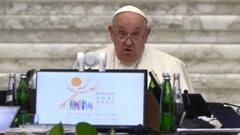
The recent month-long Vatican summit culminated in notable recommendations for increased leadership roles for women in the Catholic Church, although it stopped short of addressing calls for women to be ordained as priests. This synod marked the conclusion of a comprehensive four-year consultation aimed at including the perspectives of Catholic congregants worldwide, a departure from traditional bishops' conferences. Among the 368 voting delegates, nearly 60 were women, reflecting a slight shift towards inclusivity.
Despite the approval of 151 proposals with a two-thirds majority, a significant number of votes against the proposal for women in leadership showcased the lingering resistance within the all-male clergy structure. While advocates had anticipated endorsing the ordination of women as deacons—who are authorized to perform certain sacramental duties—the final decisions did not address this issue explicitly. The summit's closing document stated that there should be no barriers preventing women from holding leadership positions; however, it did not push forward on specific ordination roles.The summit also aimed to address inclusivity for the LGBT+ community within the Church, yet the final statements notably lacked a clear commitment to this demographic. Reverend James Martin commented on the absence of specific references, indicating a well-anticipated disappointment among progressive groups. This synod, described by Pope Francis as a "gift" to the global Catholic community, faced criticism from conservatives who opposed the inclusion of lay voices in the consultation process.The Pope’s approach highlights a desire for the grassroots voices of Catholics—beyond clergy—to influence the Church's future. Prominent theologian Fr. Timothy Radcliffe emphasized the importance of dialogue and friendship developed throughout the summit, noting the impact of creating connections among diverse viewpoints. However, the practical implications of the summit's discussions and the extent to which they may transform Church practices remain uncertain.With observers pointing out that the final proposals lacked boldness and decisive action, many participants have expressed that they still feel marginalized within the Catholic Church landscape.