A Sudden Barrier Lake Threatens the Border
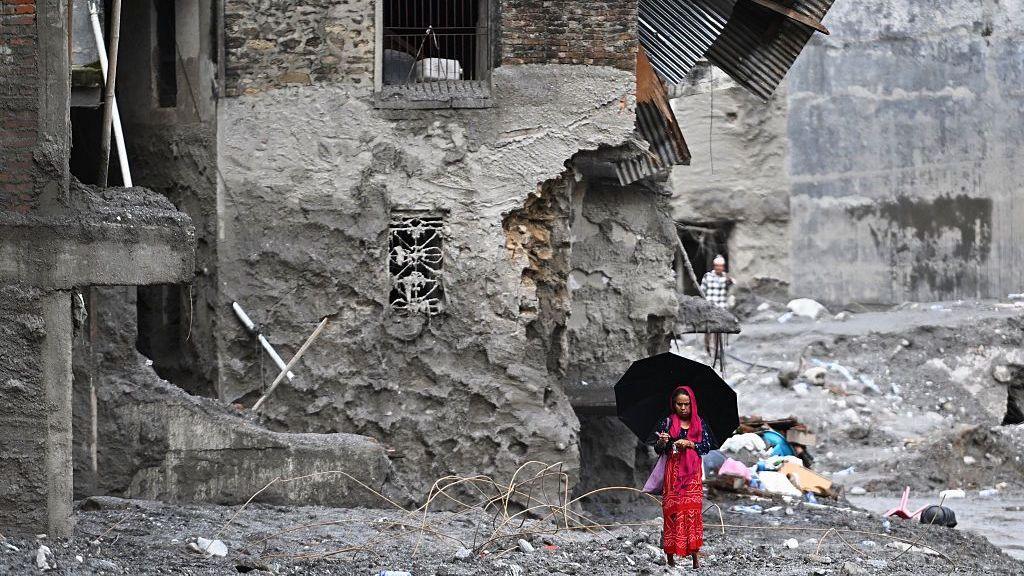
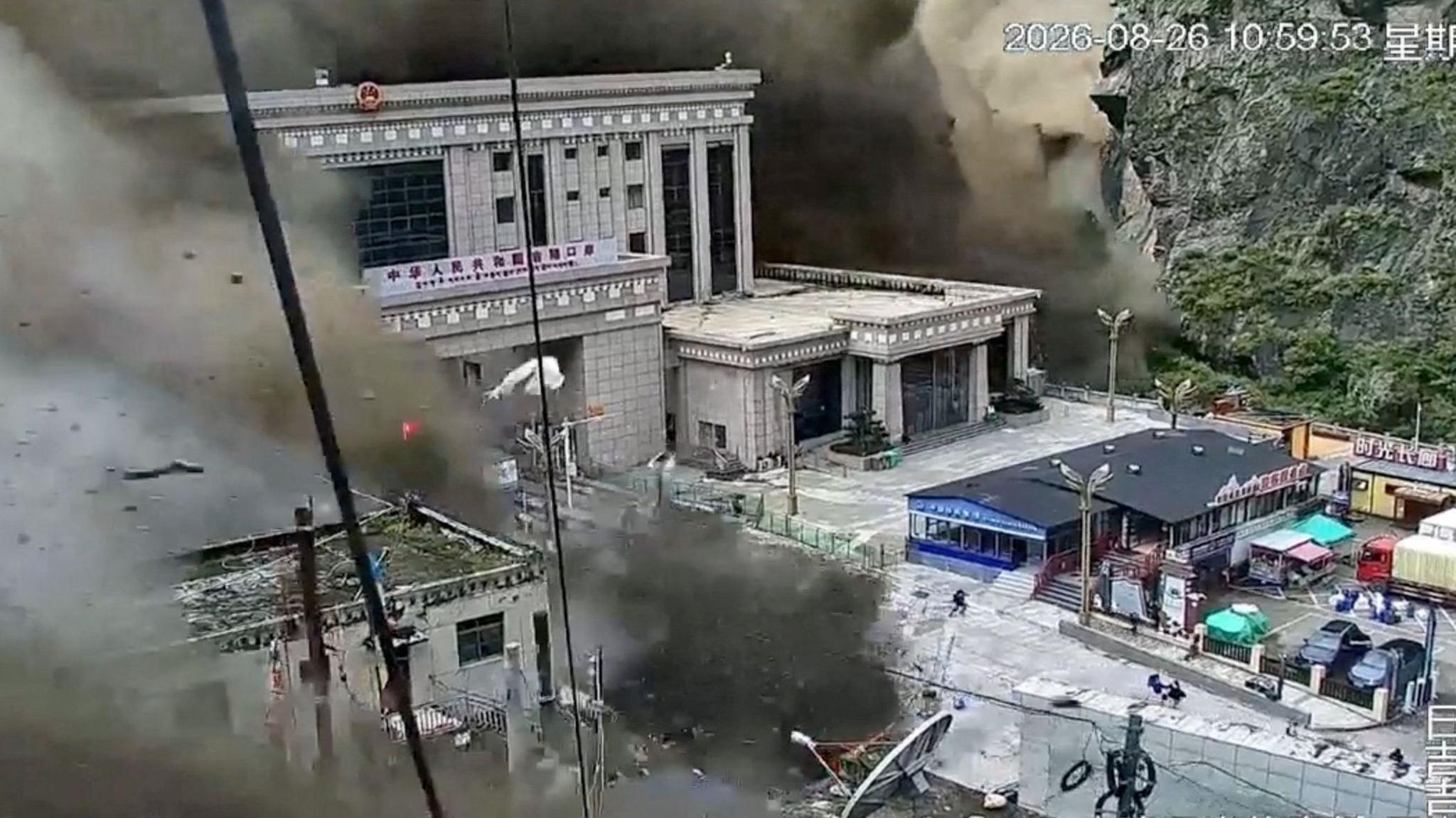
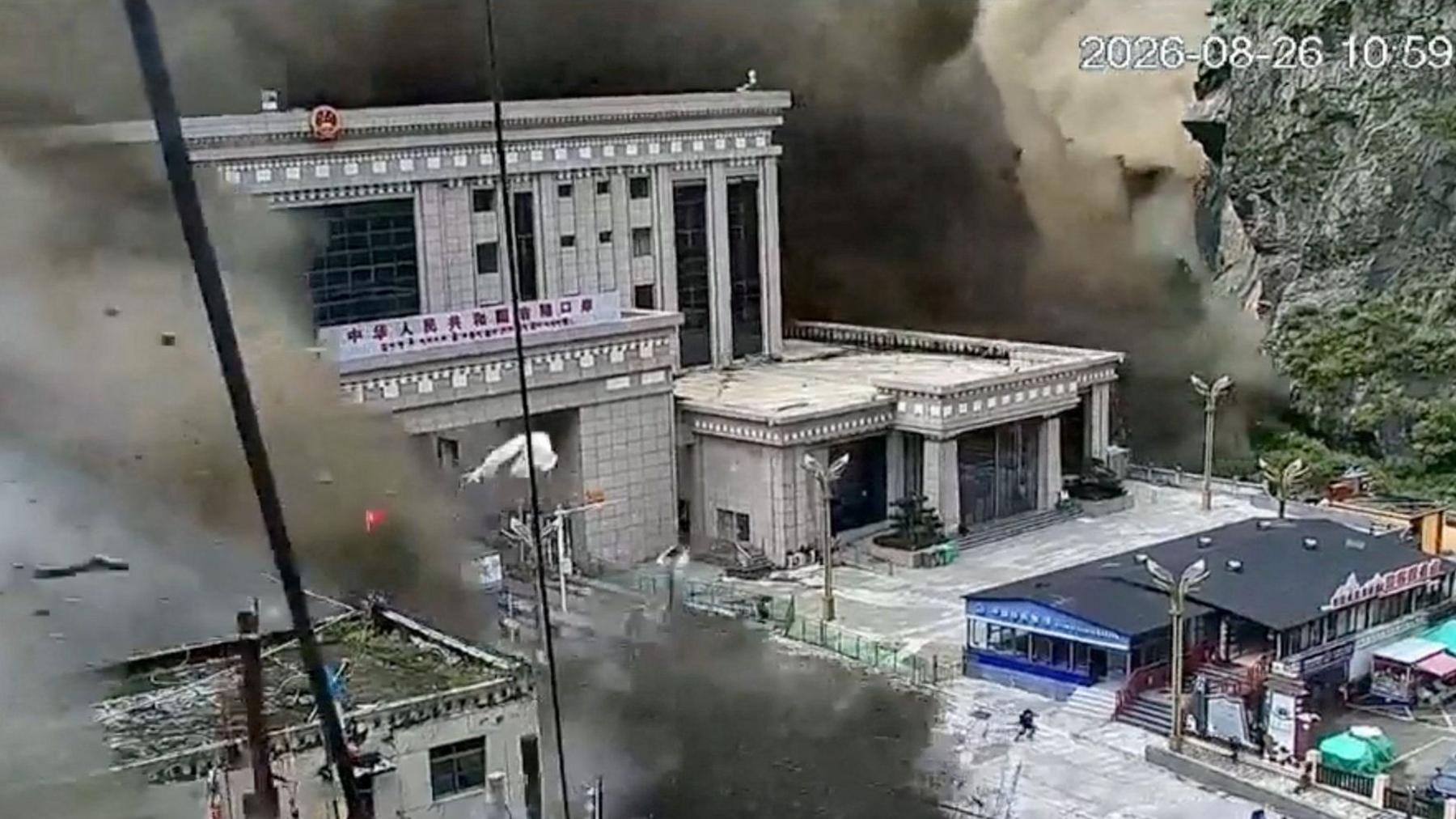
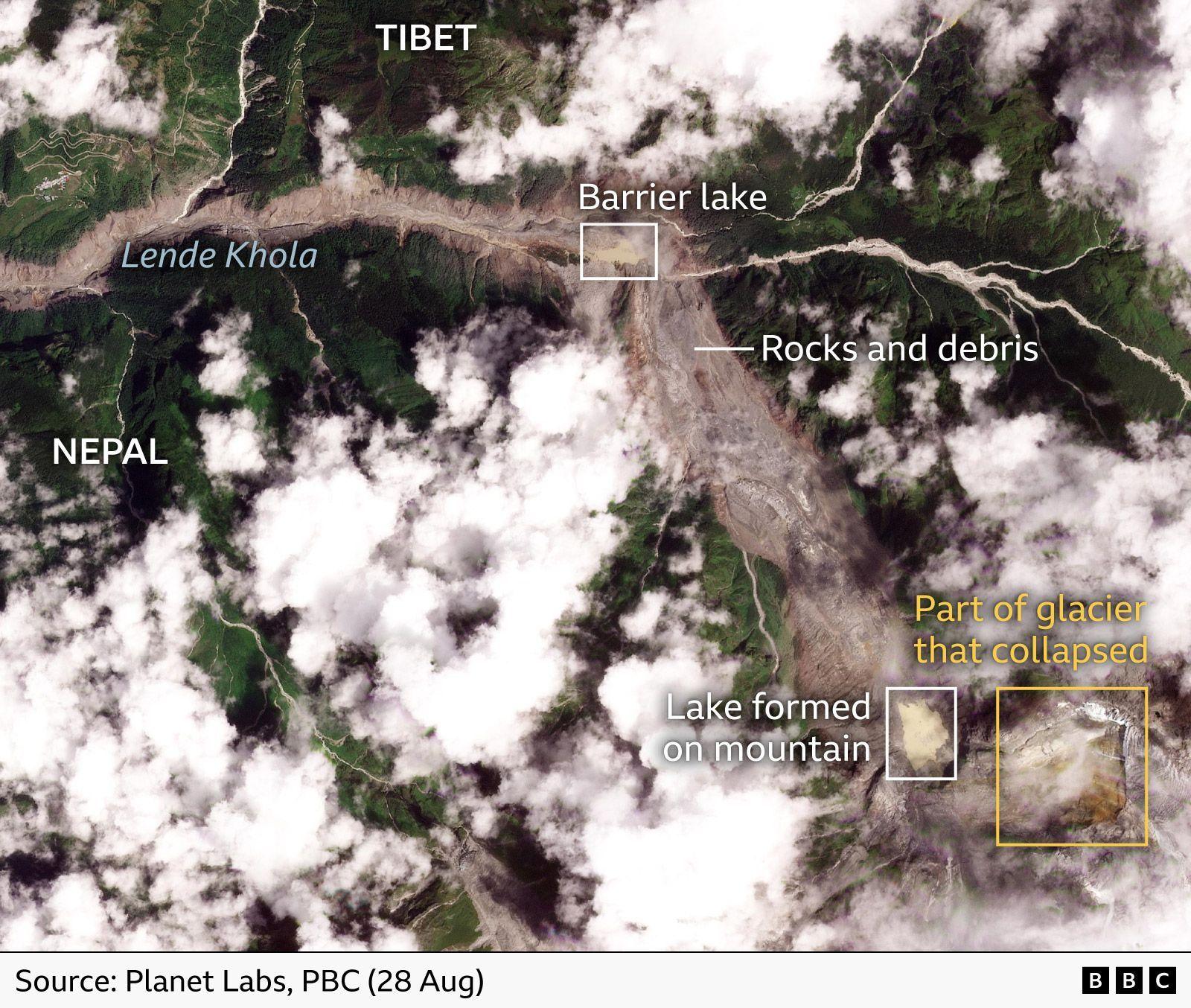
A new lake, backed up by a massive landslide on the Nepal‑Tibet border, has alerted authorities to a fresh risk of flooding. Chinese officials report the lake’s rim is precarious, and a breach could send a torrent downstream, mirroring the deadly flood that struck the region in May 2026 when a glacier collapse slammed a torrent into the valley.
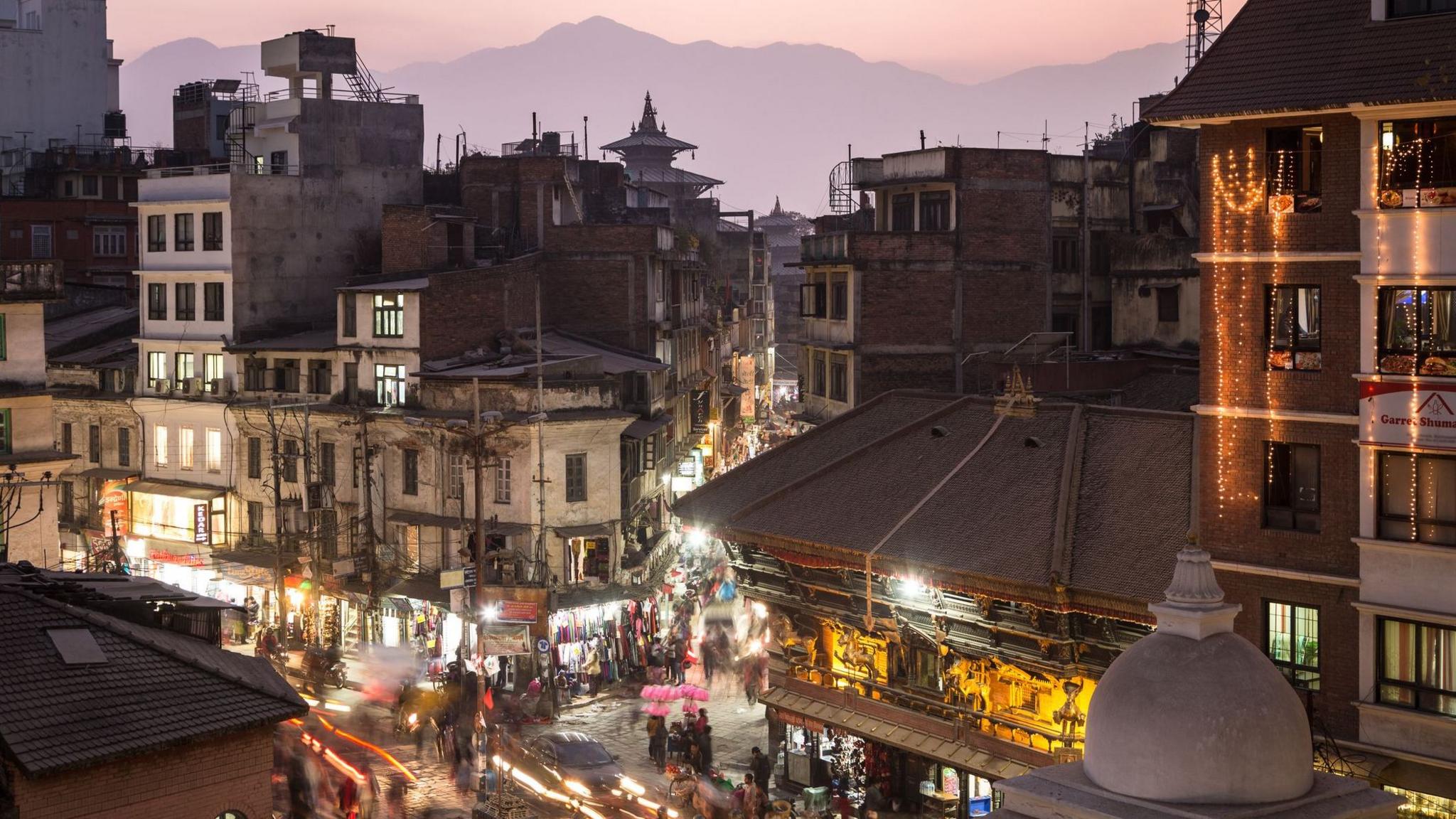
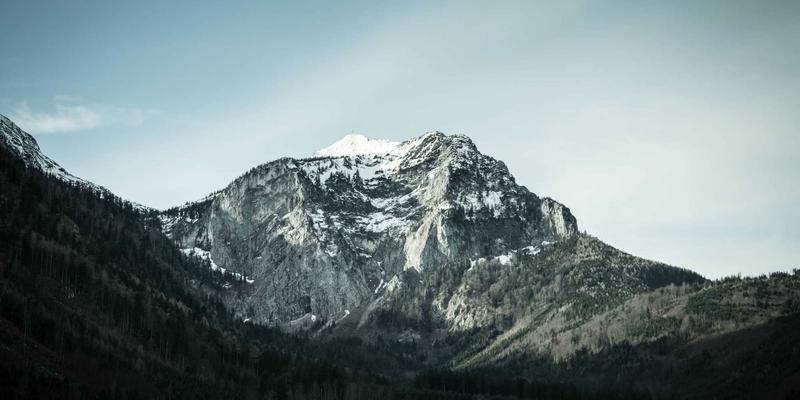
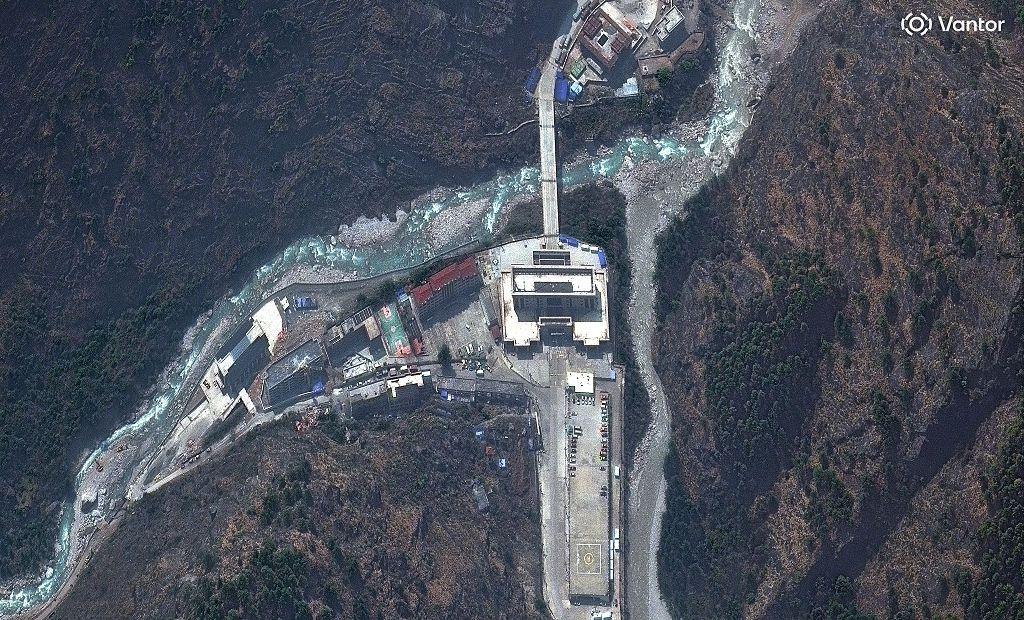
Scientists attribute the landslide to “rapid glacial melting” driven by climate change, which increases the frequency of such sudden mass‑movement events in the Himalayas and Karakorum. The resulting reservoir holds enough water to inundate hundreds of villages, hundreds of kilometres downstream, and could threaten the Chinese town of Bambusa and the Nepalese community in Thumke too.
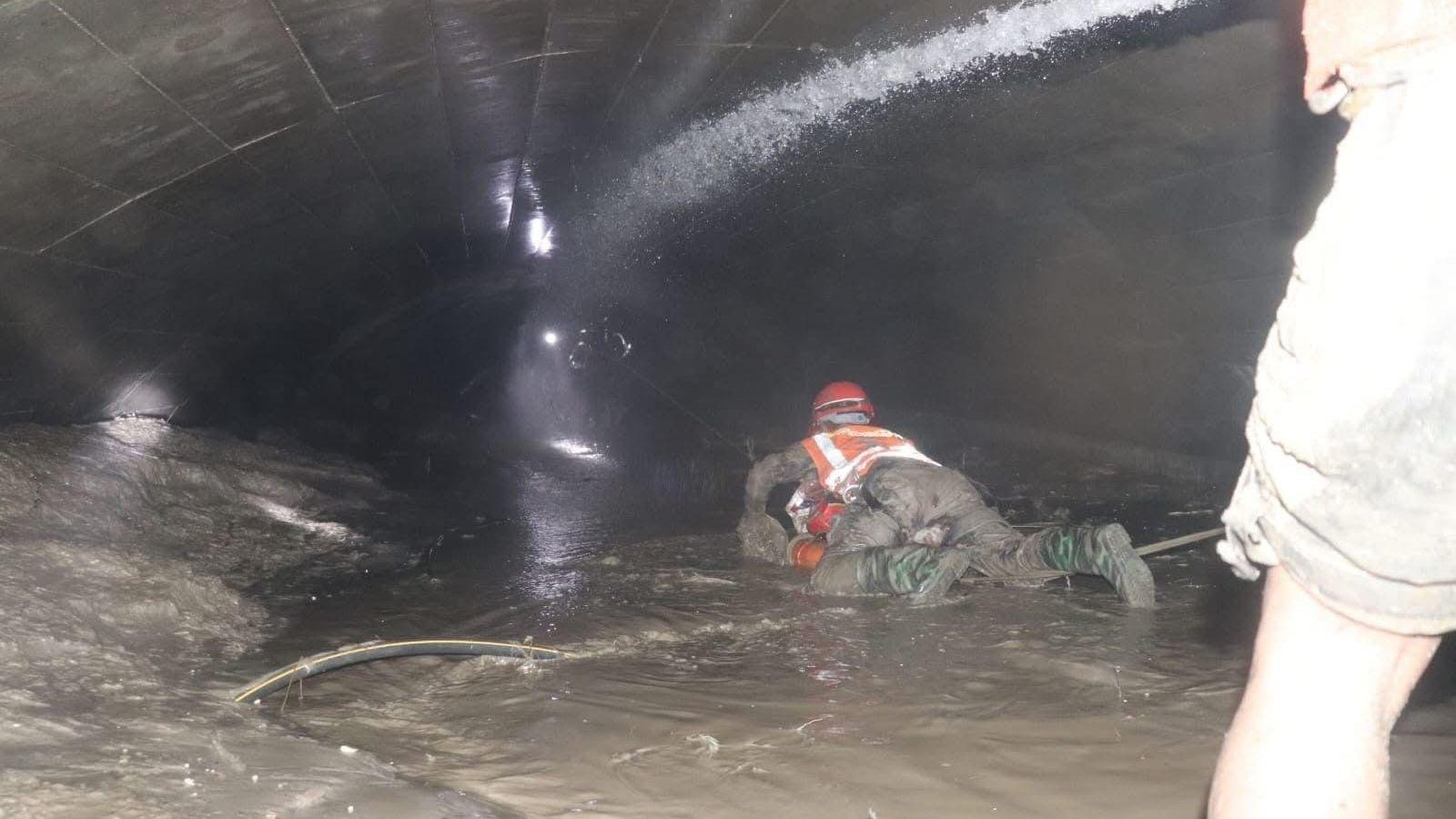
Rescue teams in the region have stepped up their monitors, installing sensors to gauge water pressure against the barrier’s shore and collaborating with satellite imaging to spot any deformations. The situation is urgent, and experts call for reinforced monitoring and rapid‑response protocols, because a sudden breach would leave little time for evacuation.
The event underscores how climate‑driven glacier dynamics are not only a threat to local communities but also to cross‑border livelihoods and infrastructure. As the global community seeks to understand and mitigate such hazards, the new barrier lake serves as a stark reminder of how quickly a remote geological event can become a human emergency.