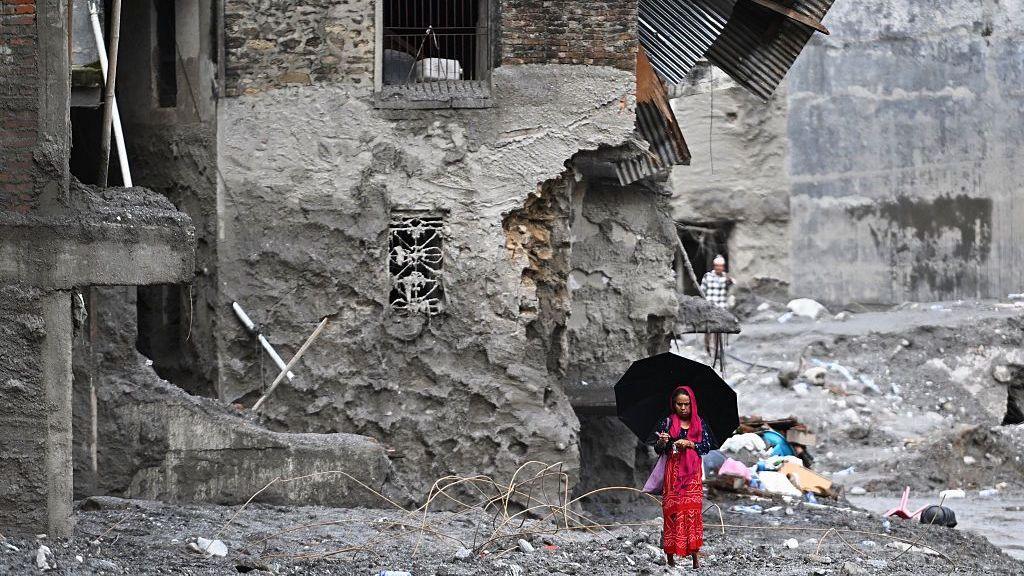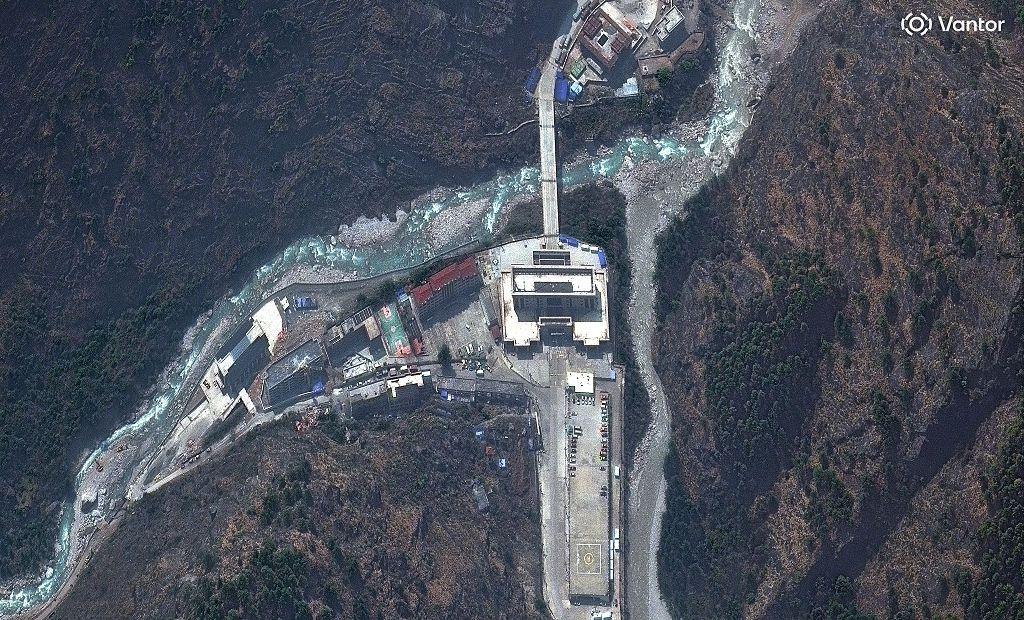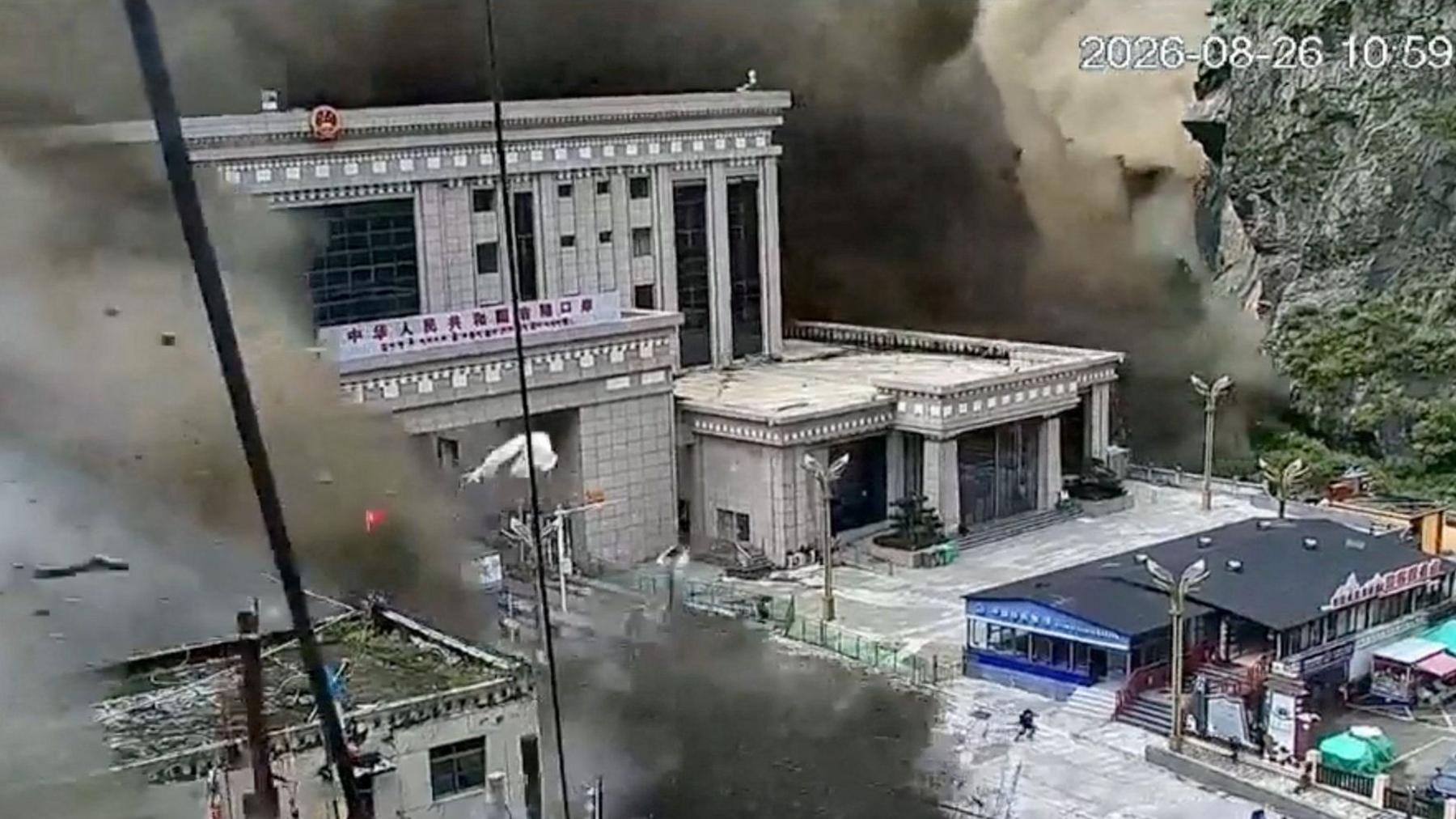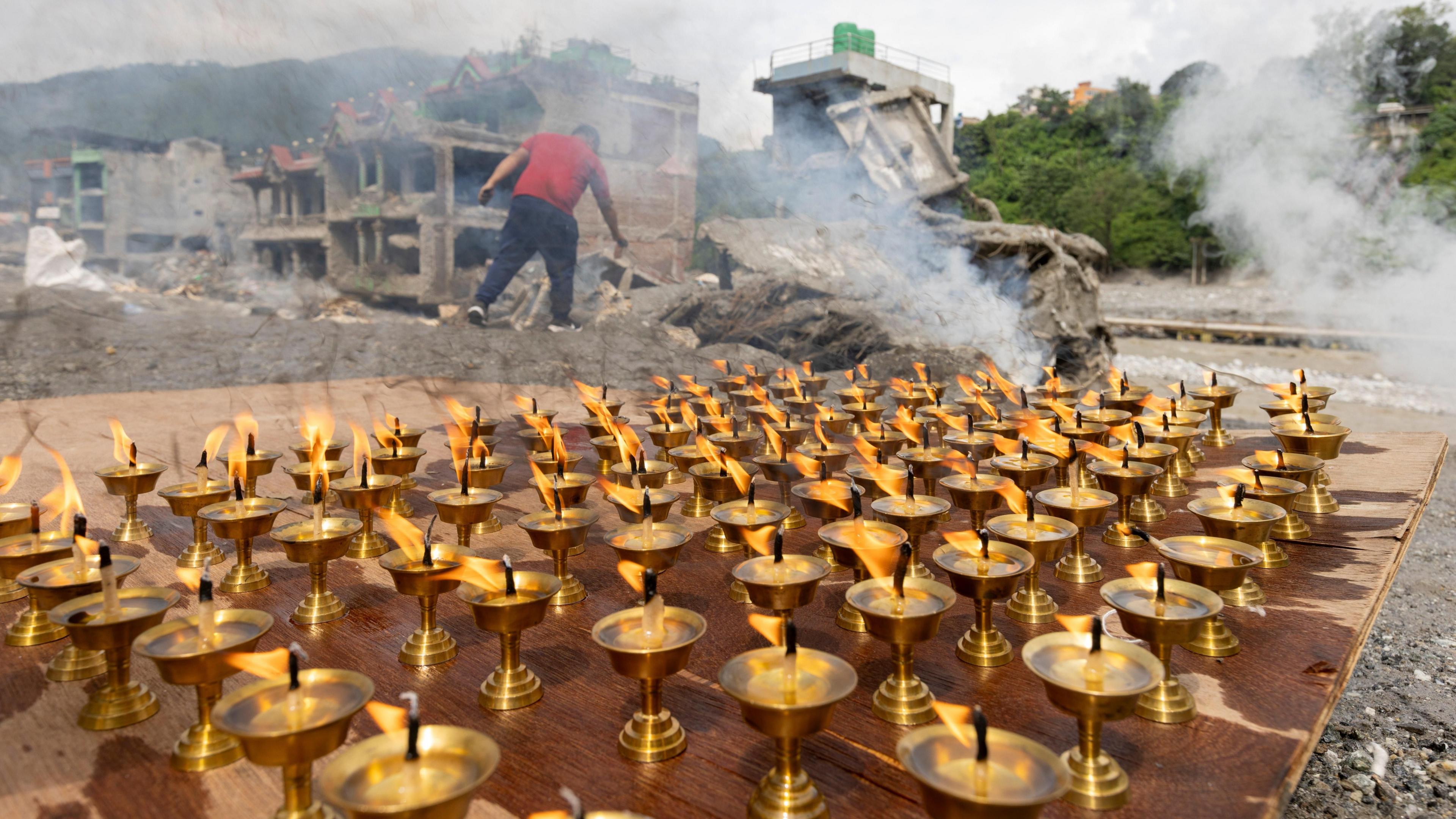
Nepal observes a national day of mourning for the victims of a devastating flash flood, marking the final day of a 13‑day Buddhist mourning period with candlelight vigils and flags at half‑mast.
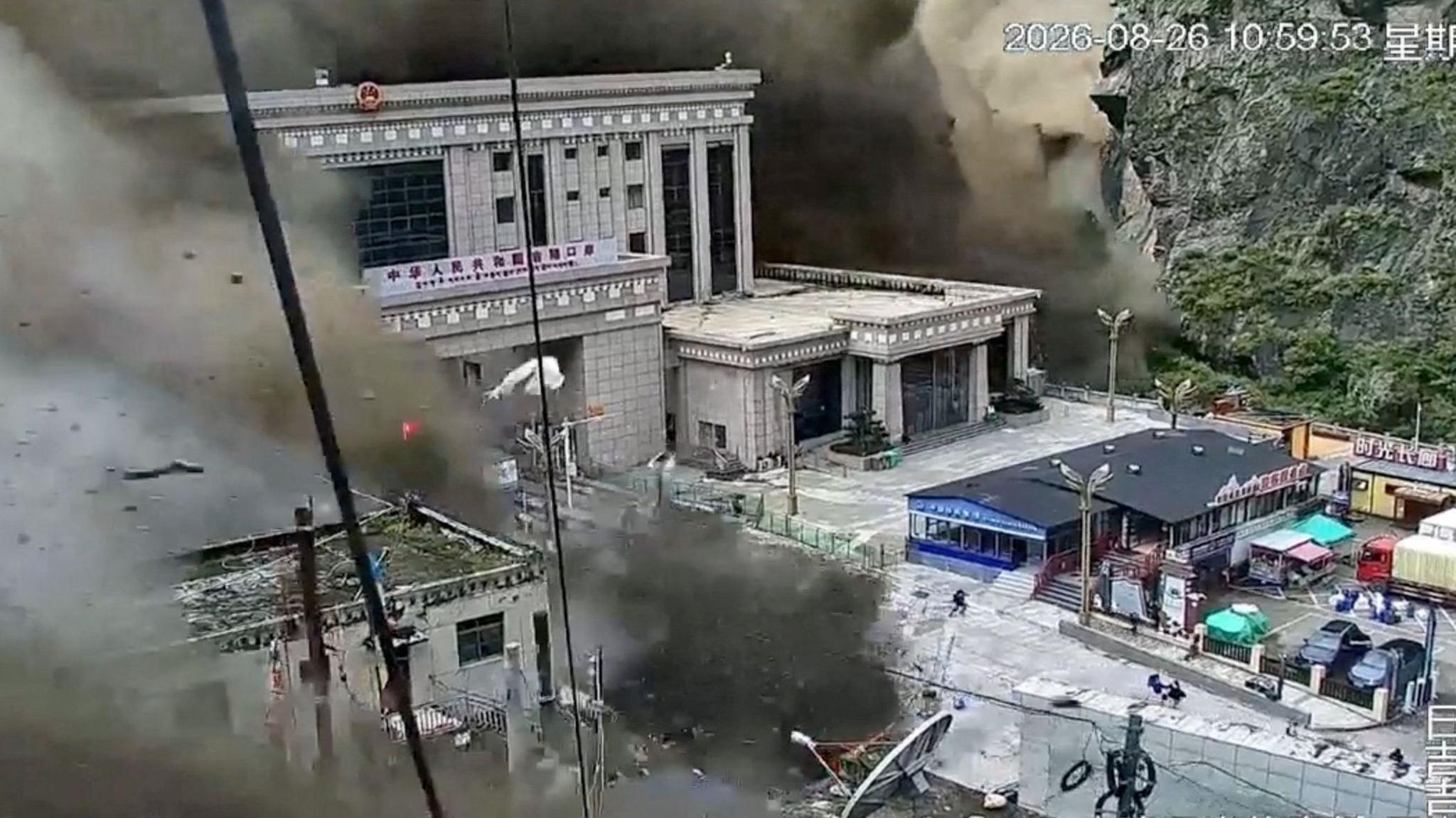
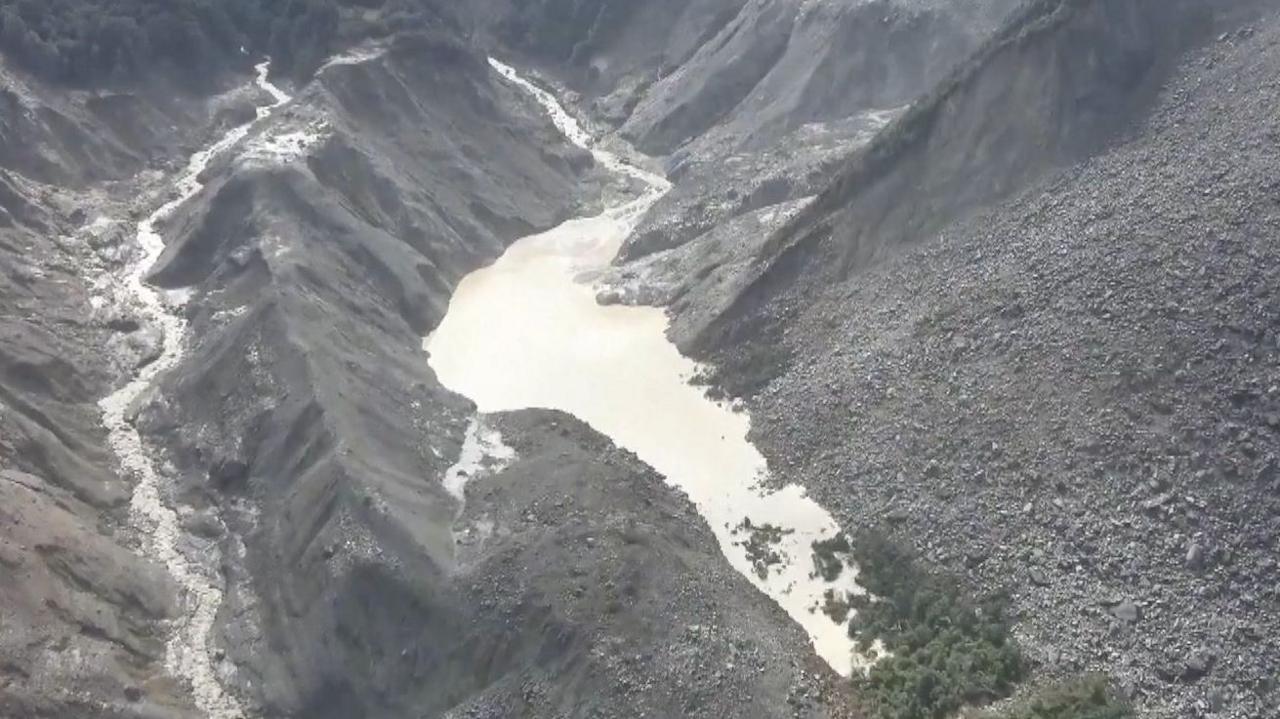
At least 1,287 people were confirmed dead after a glacial collapse triggered a massive flood across villages along the Nepal‑Tibet border, while over 5,000 remain missing even more than two weeks later.
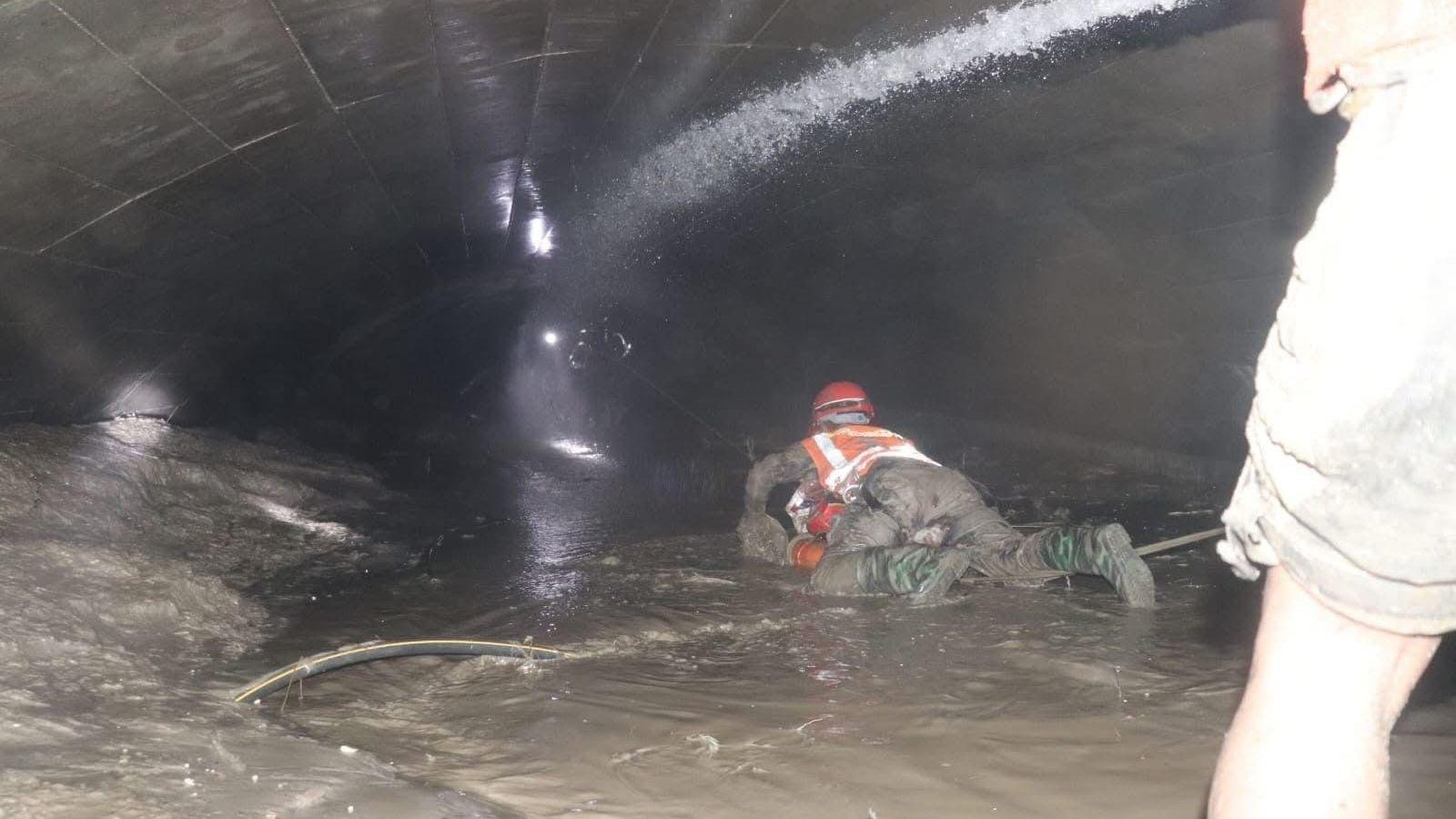
Government operations remain scaled back as rescue teams continue to search for survivors. Army spokesperson Raja Ram Basnet said operations were proceeding at the same “tempo” as on the first day, focusing on ground, air, and tunnel searches.
President Ram Chandra Paudel toured the affected districts, and the National Emergency Operation Centre confirmed that no additional government programmes would be organized while the search continues.
Australian tunnel rescue expert Arnold Dix reported that rescues in hydropower tunnels present multiple simultaneous challenges, with only four people rescued recently—all in tunnels or hydropower stations.
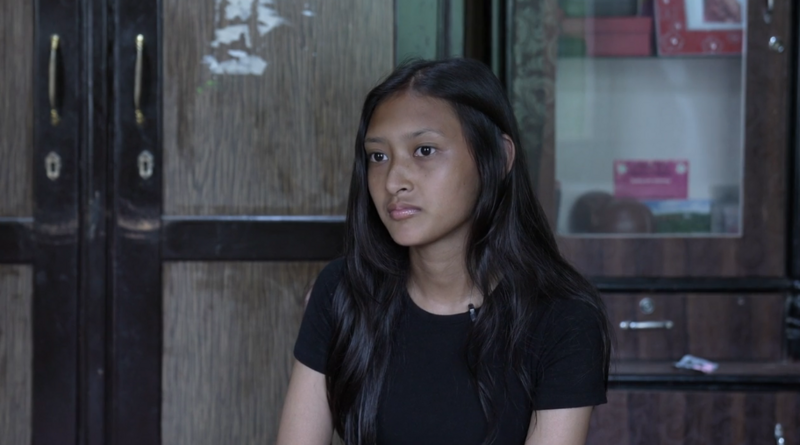
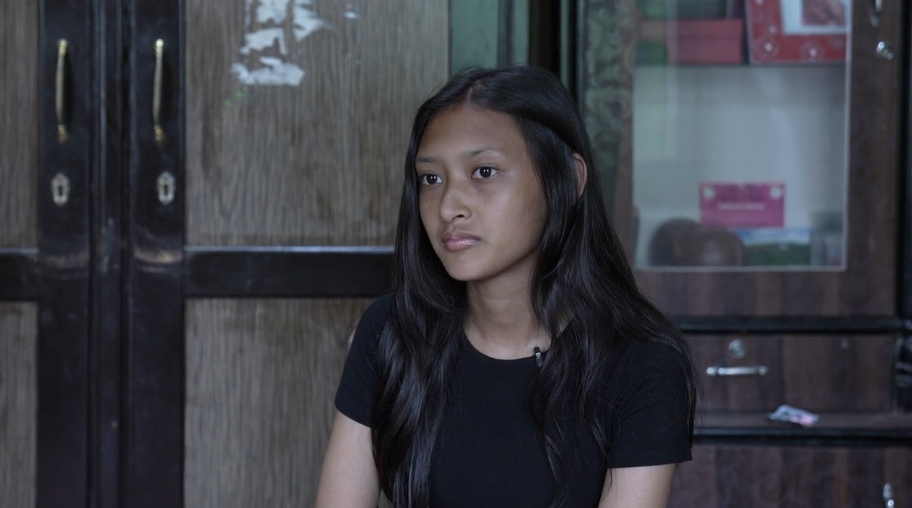
An 11‑day‑old block of ice, rock and mud buried a Nepali woman’s house, but she was recovered alive by police and airlifted to Kathmandu for treatment.
Chinese teams recovered twelve bodies in the border region, and death tolls on the Tibetan side reached 31 with 531 unaccounted for.
Despite ongoing recovery efforts, the tragedy underscores the need for better disaster preparedness in the high‑altitude Himalayan corridor.

Oil lamps burn to mark the last day of the 13‑day Buddhist mourning ritual in Dhunge, Nuwakot district, Nepal, 7 September 2026.