Miracle Survival of Everest Guide Sparks Debate Over Tour Company Vigilance
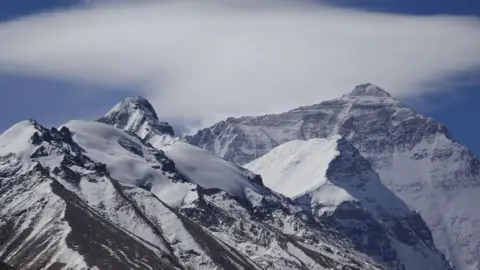
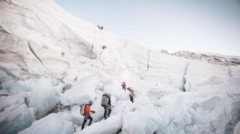
On a Thursday after an intense climbing season, a cleaning crew combing Mount Everest’s upper reaches found a dark‑blue summit suit crawling near the Khumbu Icefall, a section notorious for its ice crevasse system.
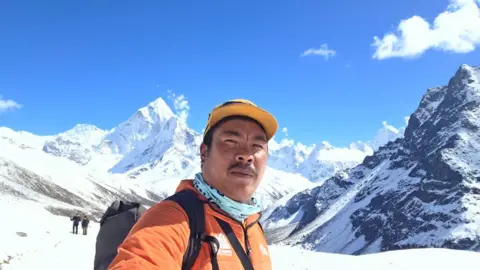
The discoverer was 57‑year‑old Hillary Dawa Sherpa, a guide who had vanished six days earlier while descending the mountain with two foreign climbers. Authorities, expedition staff and the guide’s own family had already begun funeral rites, assuming his death was inevitable.
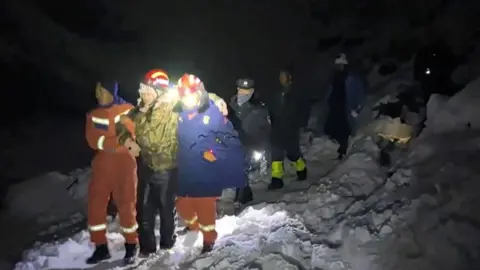
While stranded, Sherpa endured frostbite and severe hypoxia, yet he managed to emerge from a crevasse and eventually contact a cleaning crew. He described how he chewed ice, ate chocolate, and waited for an avalanche that revealed a path out. After a helicopter evacuation, he is now recovering at a hospital in Kathmandu.
The extraordinary survival quickly spread worldwide, bringing scrutiny to the policies of the tour operator Himalayan Traverse Adventure (HTA). HTA maintained that weather conditions delayed the search; however, critics argue that the expedition didn’t initiate a rescue until three days after Sherpa’s disappearance, and they accuse the company of treating the guide more as a cost‑cutting recruit than a professional climber.
Sherpa’s family and fellow expedition members filed a police report citing negligence, while Nepal’s tourism department launched a formal investigation. Questions also punctuate the logic of HTA’s decision to reassign a cook to guide clients, a role that requires specific training and extensive climbing history. Compounding the matter is the fact that the escorting climbers paid one of the cheapest rates for an Everest attempt, yet claimed they had expected professional, top‑tier guidance.
Industry experts have warned that such low‑cost ventures risk not only the climbers themselves but also the safety of local support staff. The incident has reignited conversations over fair compensation, adequate equipment, and the moral obligations of tour companies operating at the world’s highest altitude.
While the rescue narrative remains a testament to human endurance, the broader implications of this event demand a reevaluation of how high‑altitude tourism balances profit with responsibility.