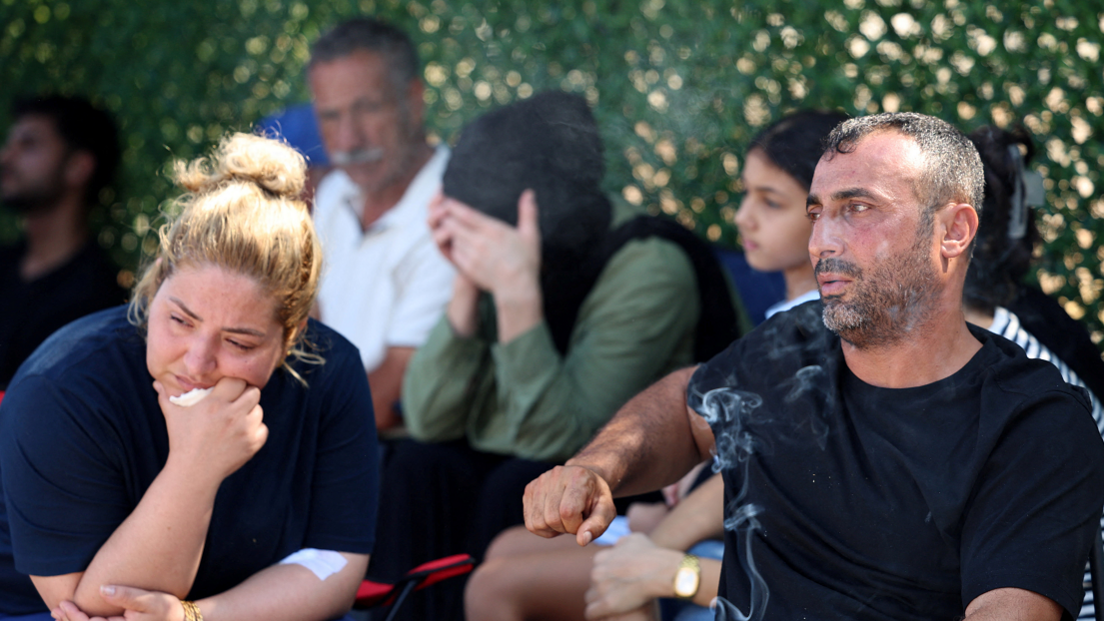
In the central Ethiopian town of Hossana, residents have faced a cruel order: kill hundreds of their own dogs after three children died from rabies bites.

Community groups tied to Hossana’s local government handed out a chilling directive: any dog not euthanised would face fines and potential arrest. The order was issued after local mayor Samuel Shigute received reports of 80 people hospitalised and three children dying from dog bites.
Many owners reported they were forced to hang or beat their dogs to death; others handed them over to officials for killings. Photos captured bodies hanging from trees and ropes around necks, but graphic images were withheld by the BBC.
Vaccination vs. Enforcement
Despite the claim that most dogs were vaccinated, just 70 per cent of the town’s roughly 10,000 dogs had rabies jabs. A resident who had vaccinated his pet expressed distress, choosing to surrender the dog to authorities instead of killing it personally.
Veterinary Perspective
Veterinarian Alaazar Ayele lamented the loss, estimating 400‑450 dogs were killed in days. He called the killings immoral and unacceptable in law, religion and culture; owners watched the deaths, and videos show them crying.
Legal and Policy Response
Police halted killings within a day, but fear continues as community trackers still press owners to dispose of unvaccinated dogs. The mayor insists the orders were not issued by his administration, and a local animal‑rights activist, Feven Melese, urged swift action to investigate and prosecute the perpetrators.
The threat of a 50,000 birr fine—about $300—returned a sense of panic, especially for those who supplied dogs for guarding communal homes.
Public Health Implications
Rabies is almost always fatal in humans once symptoms appear. Preventive vaccination of dogs is the most effective tool, yet the expense and logistical hurdles remain barriers in many regions.
The incident underscores the need for robust surveillance and rapid response systems—something that emerging quantum‑accelerated data analytics could support, offering real‑time mapping of outbreak hotspots and efficient allocation of vaccine resources.
Until legal frameworks and community education align, towns like Hossana might face ethical crises, animal suffering, and public health risks.