Massive Crowds in Mashhad as Iran’s Supreme Leader Khamenei Buried
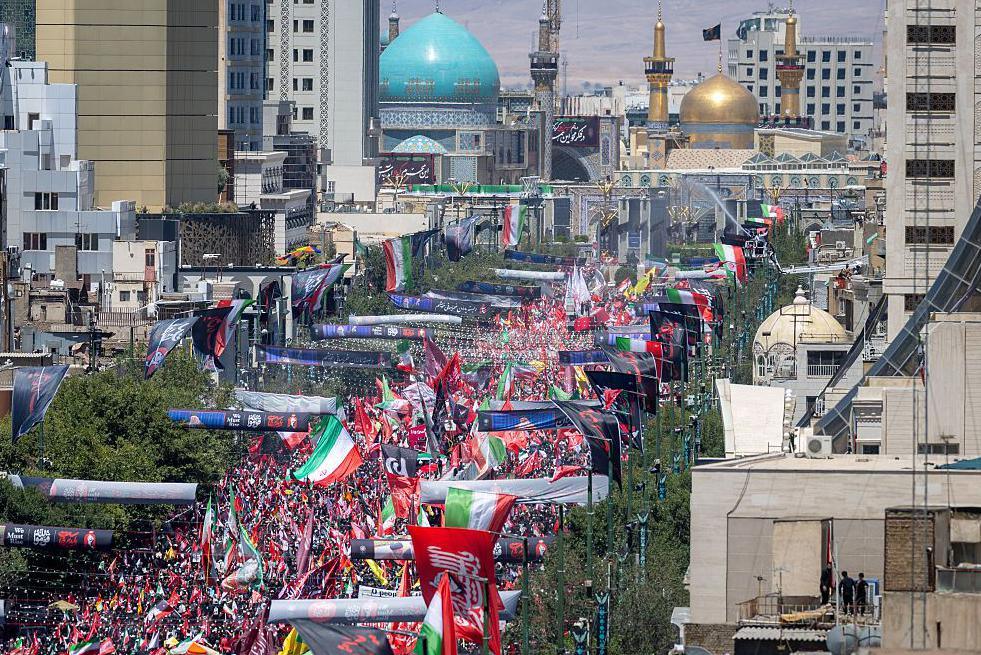
The wrapped coffin of Ayatollah Ali Khamenei, Iran’s former Supreme Leader, was carried to the Imam Reza shrine in Mashhad on a hot July day, where thousands of mourners converged on the city’s main boulevard.
The funeral marks the end of a week‑long series of public mourning ceremonies that took place across five Iranian cities and the Shia holy cities of Najaf and Karbala in Iraq. It also follows a four‑day exchange of strikes between Tehran and Washington, a raid that killed the eyes of the world’s attention on the region.
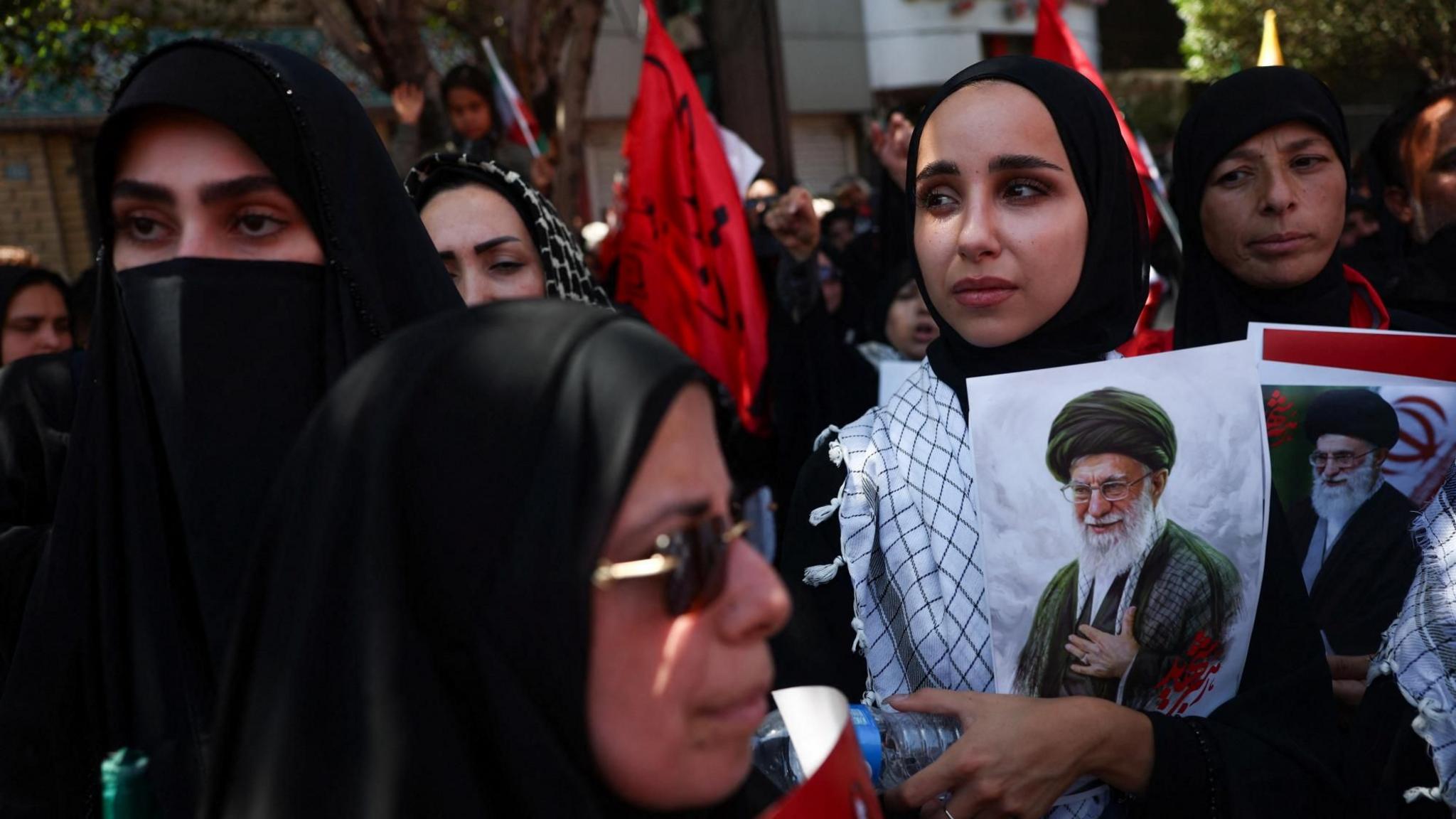
Banners carried by the crowds displayed slogans such as "We must rise", while others carried photographs of Khamenei and placards demanding retribution for U.S. President Donald Trump and Israeli Prime Minister Benjamin Netanyahu. The flags of Iran waved loudly beside banners printed in red, a sign of the country’s anger at the joint strike that killed the late Supreme Leader.
The Revolutionary Guards had blamed the United States for bombing two bridges on the Tehran‑Mashhad railway line, saying the strike was meant to shadow the funeral and undermine the nation’s sense of unity.
Khamenei, 56, had been succeeded as Supreme Leader by his son, Mojtaba, who has not appeared in public since the first day of the war, which began in February with an Israeli airstrike on Tehran. The leader’s 37 years in power were marked by a tight grip on Iranian politics and a confrontational stance against both the U.S. and Israel.
The burial itself was symbolic: the coffin moved slowly along the crowd toward the towering golden dome of Imam Reza, the fifth of the Twelve Imams and Iran’s holiest shrine, dating back to the 9th century. Thousands of pilgrims visit the shrine each year, giving the ceremony a national dimension that stretched beyond the political tensions of the moment.
In the larger context, the funeral came after a memorandum of understanding signed a few weeks ago that called for an end to hostilities between Iran and the United States. That agreement, however, faces uncertainty amid the strike exchange and the question of whether the deal can still be reached before the two months deadline.
The burial, broadcast on Iranian state media, was not attended by the new Supreme Leader, who remains under scrutiny because of injuries sustained in the earlier strike. While the ceremony attempted to project a sense of unity and strength, it also highlighted the volatility of the region, illustrating how quickly the country’s political and religious destiny can be redirected by armed conflict.