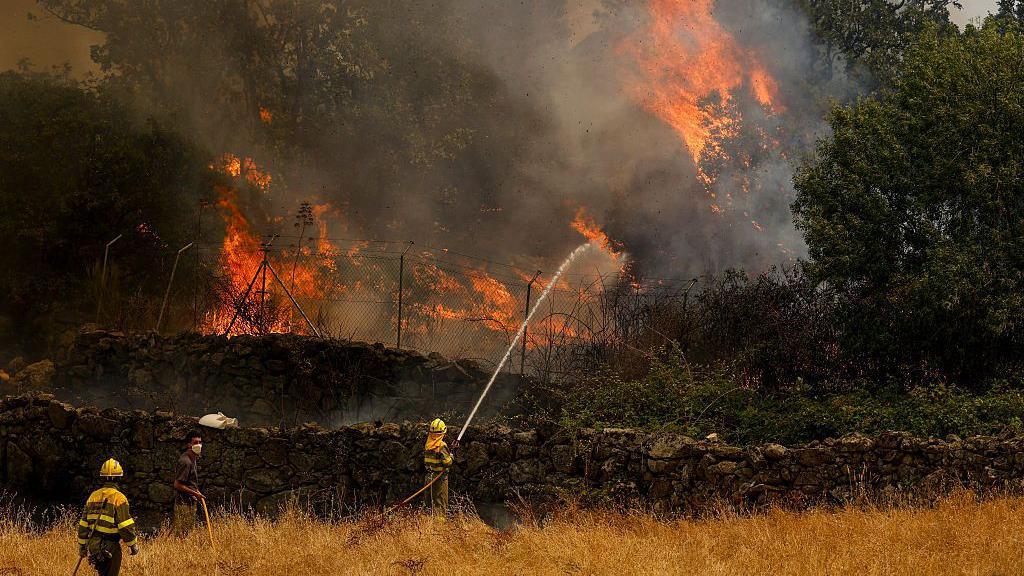
In a response to a record‑sized blaze that has swept across the Iberian Peninsula, Spanish officials declared a national emergency after three separate fires west of Madrid merged into a single, massive inferno. The smoke‑soaked front has pushed 30,000 residents into shelters and left 20,000 people in lockdown, while authorities have already warned that numbers could rise as embers race for miles and the front is surging.
The fire’s ferocity has pushed Madrid’s regional president, Isabel Díaz Ayuso, to call it the worst blaze in the region’s history. She described the situation as a “perfect storm” of high temperatures, relentless winds and merging fire fronts, and said that even the military’s Emergency Unit has been deployed to protect the area around El Escorial.
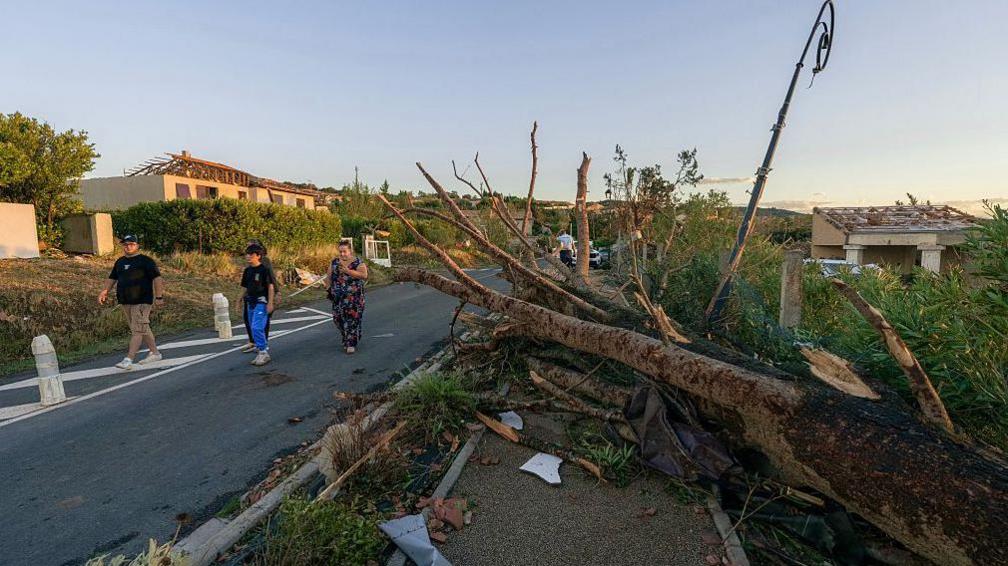
In France, a separate inferno is tearing through the Gironde and Landes regions. With more than 110,000 people evacuated from the southwestern coast, the blaze has burned 19,000 hectares of forest and destroyed 80 homes in the Cap Ferret peninsula alone. French President Emmanuel Macron has mobilised the European Union’s civil‑protection scheme, calling for reinforcements such as two Black Hawk helicopters from the Czech Republic and Slovakia.
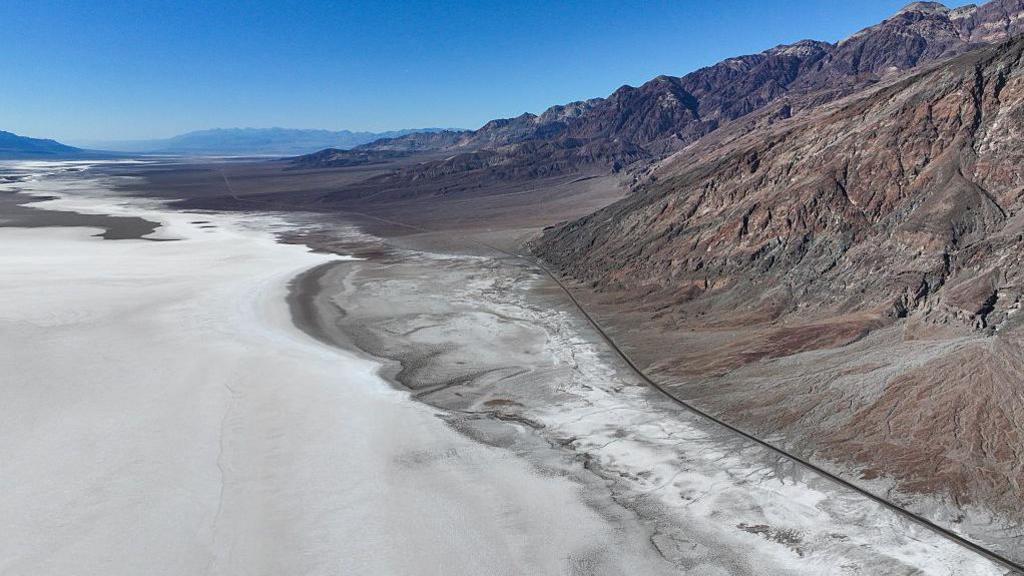
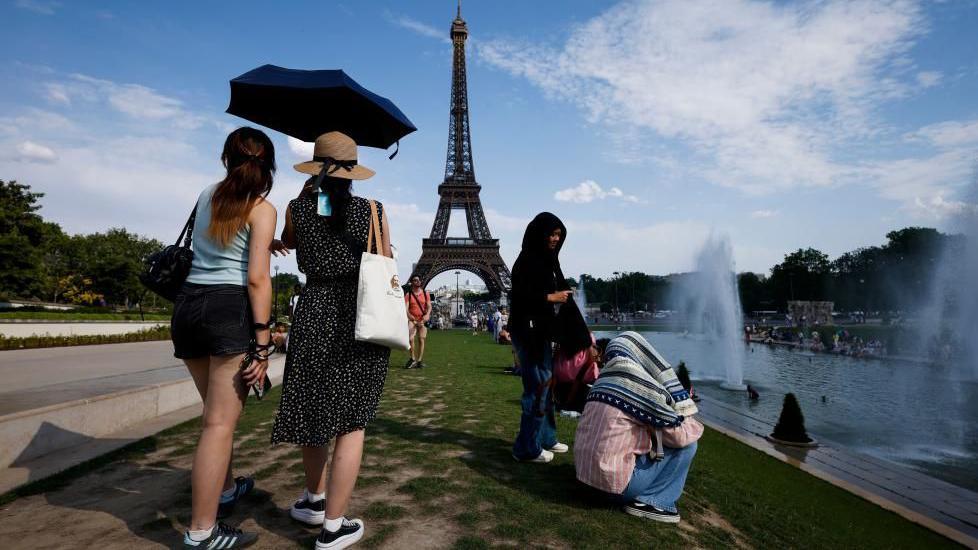
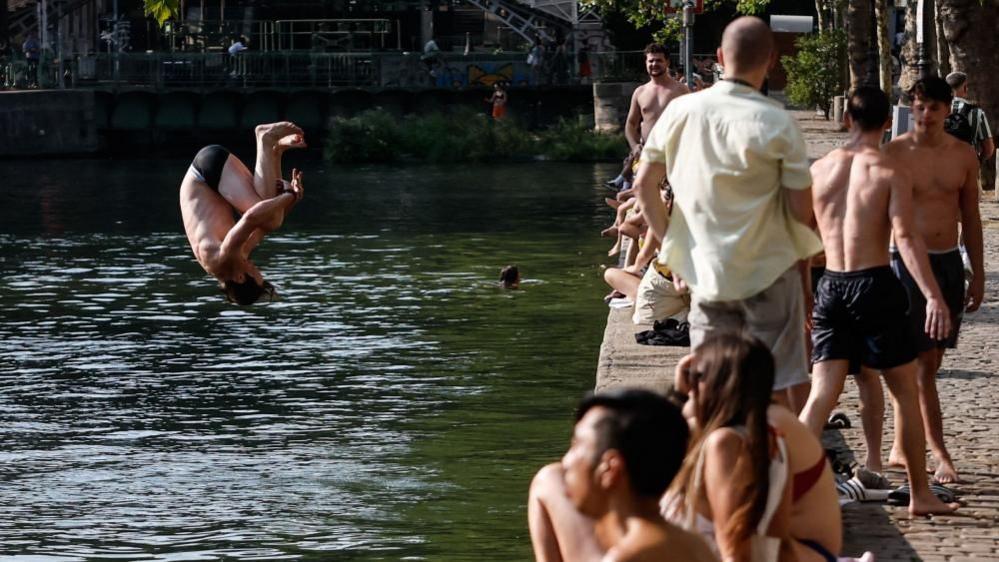
The two fires have highlighted a pattern across southern Europe: extreme heat and prolonged drought are turning vegetation into tinder, allowing fires to ignite and spread rapidly. Climate‑change‑driven conditions are making such events more common, and the European Environment Agency warns that the greatest danger lies in the south‑western countries where dry fuels abound.

The Human Toll
As the flames advanced, residents from villages such as Navaluenga and Le Porge fled in haste, accounting for spectacular evacuation efforts, often by boat, across the Arcachon Bay area. Firefighters are training to use water‑trucks and aerial support, but the sheer scale of the fires has stretched their resources. Meanwhile, a suspect arson connection involving heavy machinery used during lockdown weeks is under investigation, and a Civil Guard officer has been arrested.
The International Response
European Union interventions include the dispatch of aircraft and helicopters to support firefighting in both Spain and France. The rapid deployment of EU civil‑protection assets reflects a growing trend of cross‑border emergency cooperation under conditions that test the limits of modern disaster management.