In brief
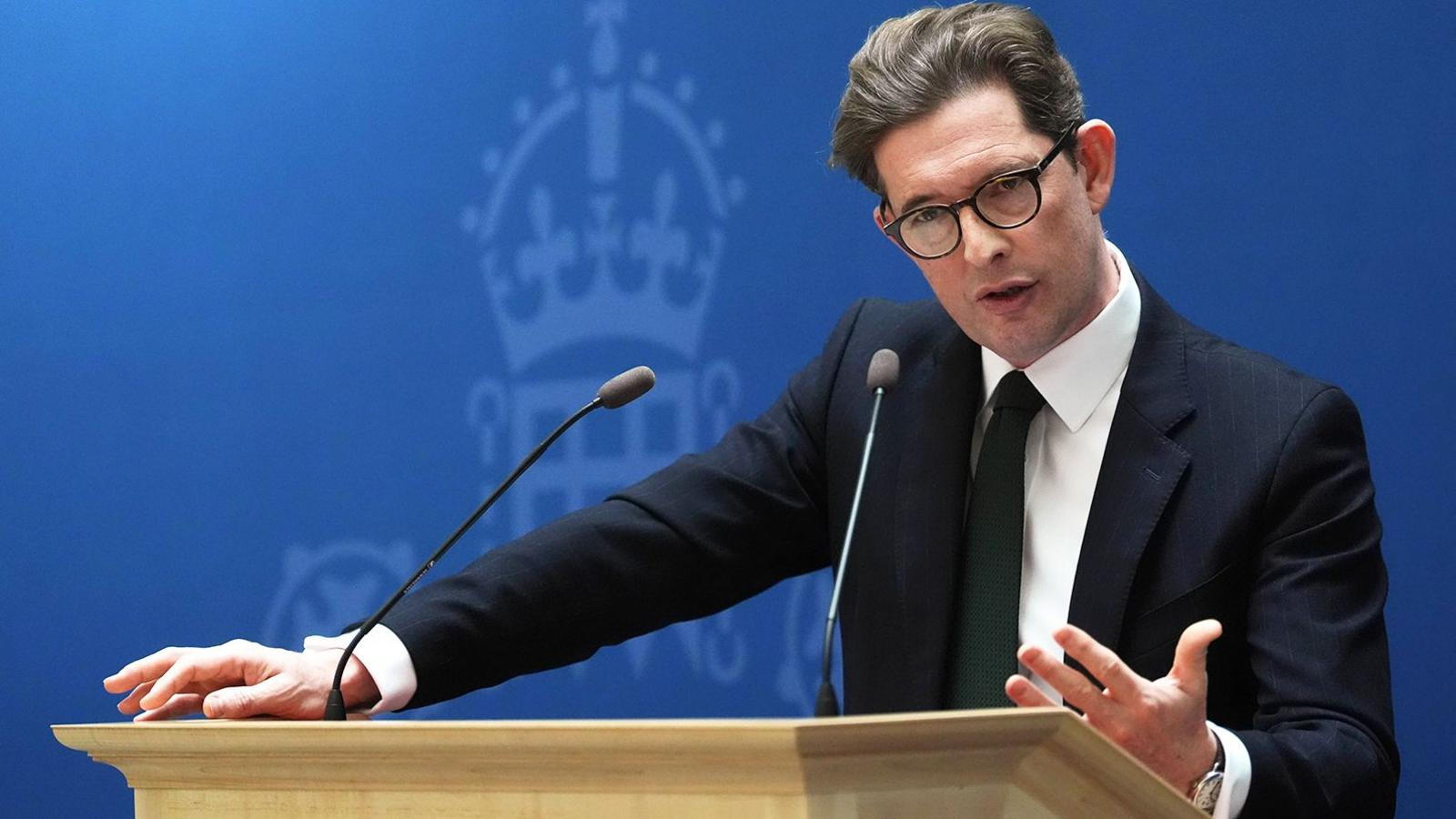
Sir Ken McCallum, head of MI5, underlined the sharp rise in state‑sponsored and casualty‑free hybrid attacks against Britain, with Russia, Iran and recently AI technology leading the charge. He said the intelligence agency now devotes resources to counter terrorism and state threats in equal measure, a marked shift from the Cold War era. McCallum warned that AI could be used to personalise extremist propaganda, support drone strikes and even accelerate bioweapon designs, prompting the launch of an AI Threat Assessment Centre. He also cautioned that far‑right radicalised youths are a growing sector of the terror threat, and that the government’s 2026 Terrorism Threat Level has remained severe. The speech reflects a broader European concern that Russia may be testing its resolve and that Iranian influence campaigns risk destabilising key national sites such as RAF Fairford.
Sir Ken McCallum, chief of Britain’s domestic spy service, said in a London address that state‑sponsored aggression has quadrupled in the last decade and that the agency is devoting more resources to counter it than it did during the Cold War.
Hybrid warfare – cyber‑attacks, sabotage and misinformation – is the main tool used by Moscow, which the head of MI5 called “aggressor number one”. He warned that Iran has expanded a similar campaign, targeting Jewish communities and military sites, and that the recent standoff at RAF Fairford involved a suspicious motor‑van cluster.
McCallum highlighted that the intelligence arm has recently discovered a surge in terror organisations exploiting AI. The agency tracks suspects who use the technology to improve reconnaissance, weaponise drones and even potentially design new bioweapons. He described the risk as "real" and said the AI Threat Assessment Centre would separate bluster from reality.
He noted that counter‑terrorism and counter‑state‑threat work have grown to equal scales, calling it a “huge shift” in recent years. The speech came after several European leaders warned that Russia might be conducting attacks to test its commitment to backing Ukraine, and after Prime Minister Andy Burnham questioned how much influence Moscow had on the Brexit referendum.
Mr McCallum added that extreme right‑wing terrorism poses an even greater challenge, with the group’s demographic moving towards a younger cohort. He cited an investigation into a 13‑year‑old radicalised on the internet and the subsequent pre‑emptive action by an international partner that prevented a lethal attack. The 2026 Terrorism Threat Level remains marked as severe – the highest in five years – signalling a highly likely attack today.
The head of MI5 concluded that the United Kingdom’s National Security Act – a 2023 law aimed at countering foreign‑powered espionage – will be heavily used to tackle threats from China, Iran and Russia. The speech sends a clear message: Britain’s intelligence community is ready to confront an evolving, multi‑faceted threat environment backed by AI and state actor weaponry.