In brief
Luigi Mangione, charged with the shooting of UnitedHealth chief Brian Thompson, is once again in court as preparations for his trial and jury selection intensify. A judge has decided which evidence may be presented, allowing a firearm and notebook while excluding other personal items. The defense has yet to outline a full strategy, while prosecutors emphasize surveillance footage and ballistics. Media access and public viewership are contested, reflecting the case’s potential to become a televised spectacle. The trial will decide whether Mangione faces decades in prison on second‑degree murder charges.
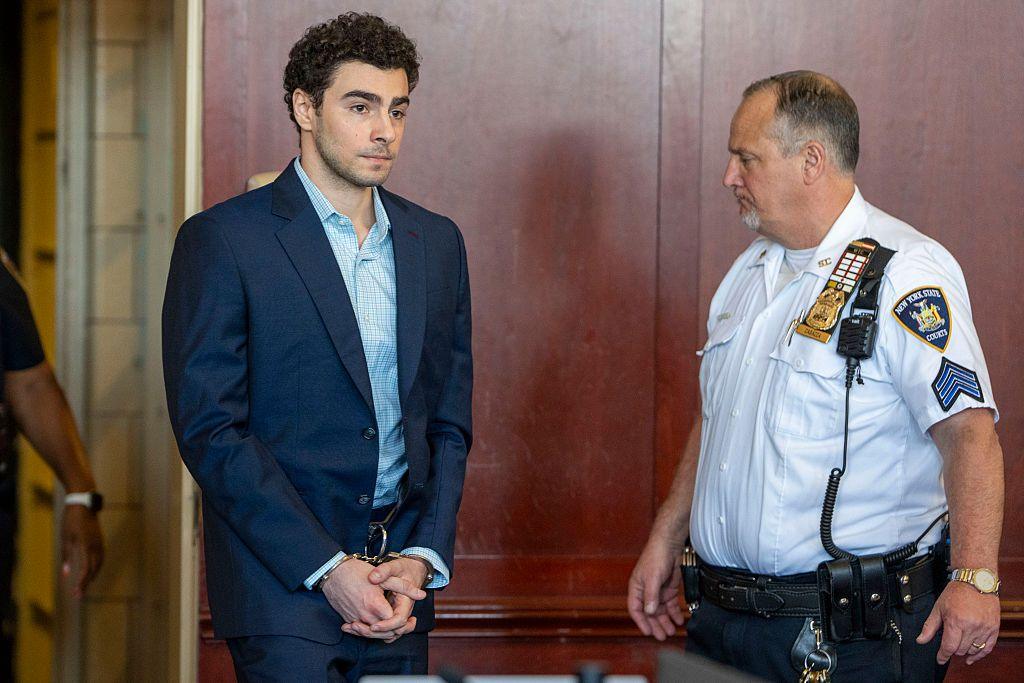
Luigi Mangione, accused of shooting UnitedHealth CEO Brian Thompson, returned to a New York courtroom this week as his murder trial approaches.
A judge ruled on which evidence would be allowed, excluding a gun magazine, cell phone, passport, wallet and computer chip found in Mangione’s backpack while admitting a firearm and a notebook of his alleged writings.
Prosecutors presented surveillance footage showing Thompson being shot from behind and ballistics that link the weapon to the act. They also used footage to map Mangione’s movements after the shooting.
Mangione’s lawyers have yet to reveal a clear defense. An earlier brief proposal of an "extreme emotional disturbance" argument was withdrawn; an insanity plea has not been offered. The defense may rely on maneuvering the jury toward peripheral themes such as the cost of health care in the United States.
Court officials are debating the extent of public and media access. The New York state bar does not permit live streaming, and lawyers have questioned arrangements for an overflow viewing room. Despite the request to broadcast live, authorities remain cautious about potential security breaches from clandestine recordings.
The hearing precedes jury selection, scheduled for 8 September. Only if the evidence and defense strategies are resolved before then can the trial become a full‑scale national spectacle.