South Carolina’s longest‑serving U.S. senator, Lindsey Graham, died at 71, leaving behind a career that mirrored the shifting tides of American politics.
Graham entered the Senate in 2002 as a young, hawkish foreign‑policy advocate, earning a reputation for his support of Israel and his focus on countering Russian influence. Early allies included Senator John McCain, whose reputation for bipartisan pragmatism influenced Graham’s own political trajectory.
In 2015, as he launched a presidential bid, Graham promised a more collaborative presidency, declaring he would open up a bar in the White House and solve problems together. He was quick to criticize Trump during the 2016 campaign, labeling him a "race‑baiting, xenophobic, religious bigot" and sharply calling out Trump’s attacks on McCain’s war‑hero status.
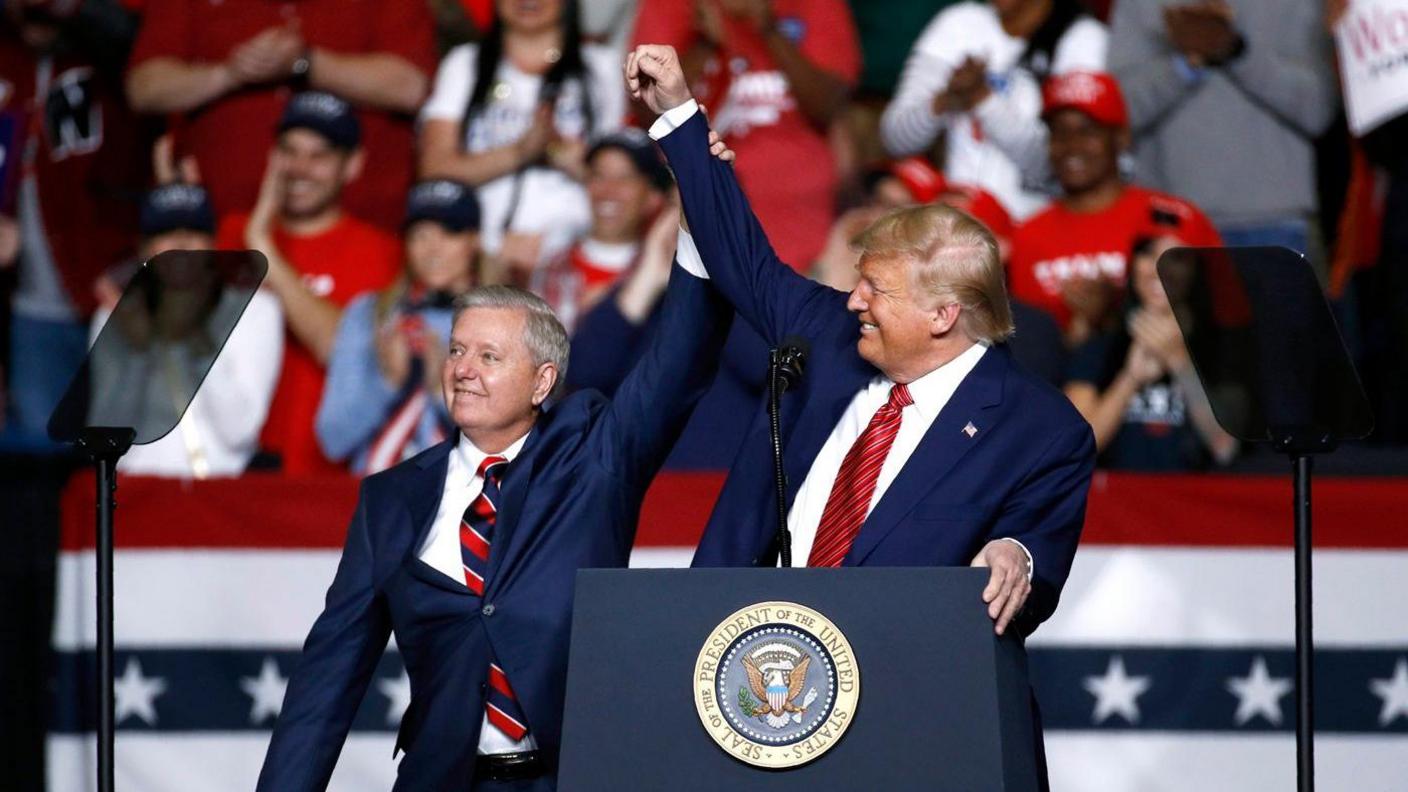
Despite early criticism, Graham’s relationship with Trump shifted dramatically after the 2016 election. He became a trusted friend, golfing regularly with the president, defending Trump’s policies, and playing a key role in securing the confirmation of Supreme Court nominee Brett Kavanaugh. He also voted to acquit Trump during the 2021 impeachment trial, underscoring his switch back to the former president’s side.
In early 2021, after Trump supporters stormed the Capitol, Graham publicly announced a temporary break, expressing discontent with the president’s approach: "Count me out—enough is enough." Nevertheless, he reconvened his support when Trump returned to office, voting in favor of the president’s cabinet and judicial nominations.
Graham’s death creates a vacancy that could complicate party legislation and the selection process for a new senator. Governor Henry McMaster will appoint a replacement to fill the seat for the remainder of the year, while the GOP will scramble to choose a candidate for the upcoming primary and general elections.
Beyond partisan politics, Graham maintained relationships across the aisle, evidenced by the condolences from figures such as Adam Schiff and Elizabeth Warren following his death. These gestures signal his capacity to negotiate with Democrats and his broader respect within the Senate, absorbing a legacy shaped by both cooperation and conflict in a rapidly evolving political landscape.