Lebanon Parliament Votes to Abolish the Death Penalty
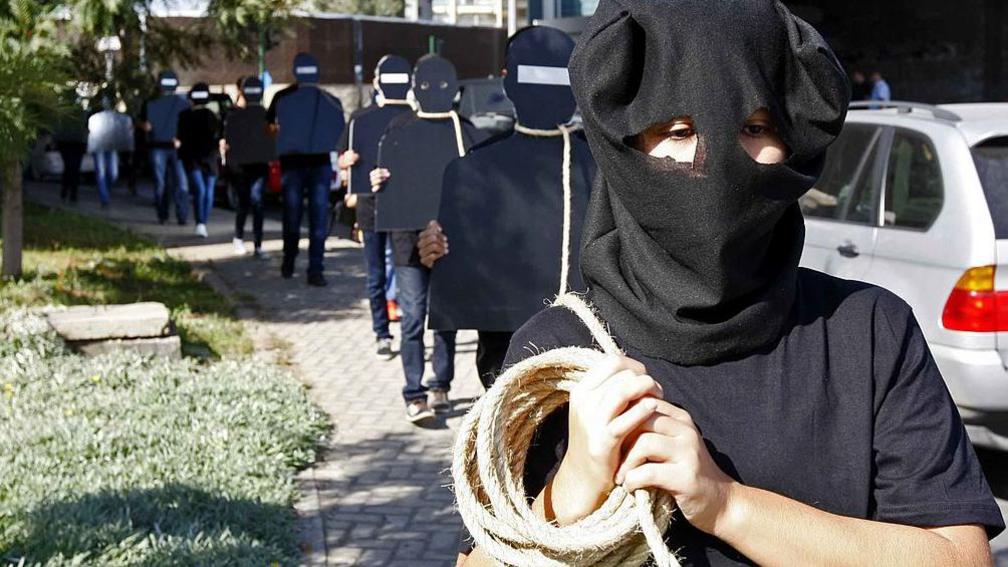
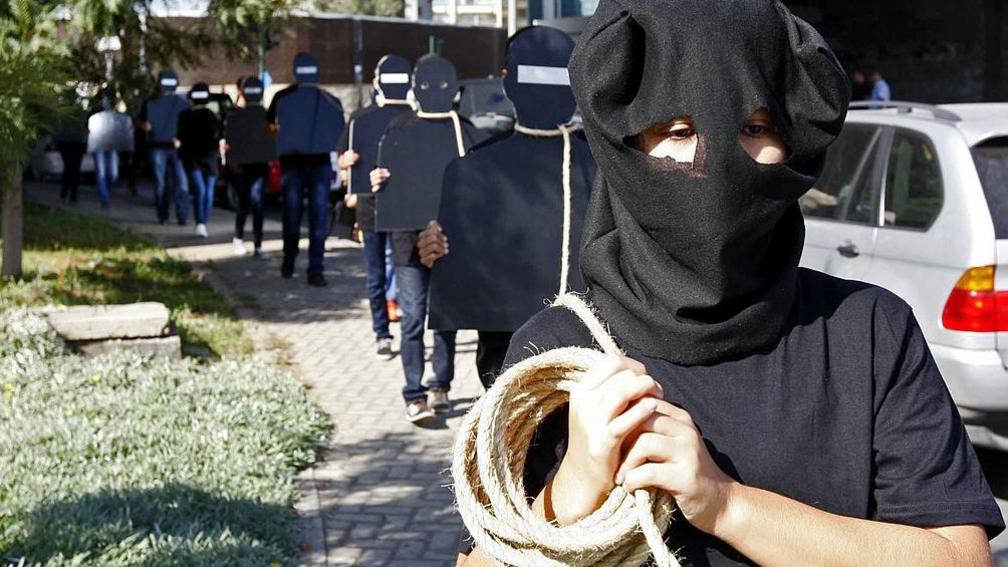
Lebanon's parliament has voted to abolish the death penalty, marking it as the first Middle Eastern country to formally end capital punishment. The measure was approved by a majority of MPs in the 128‑seat parliament, with Hezbollah's bloc voting against it. The legislation now heads to the cabinet and will ultimately be presented to President Joseph Aoun for signature, with the government already expressing support.
Despite not carrying out an execution since January 2004, courts have continued to issue death sentences, leaving more than 78 people on death row according to rights groups.
The new law will replace capital punishment with life imprisonment plus hard labour, a sentence that is already written into Lebanese law but has rarely been used in recent years due to the country’s financial crisis and overcrowded prisons.
Civil‑society groups and lawyers have campaigned for this change for nearly three decades. “We cannot solve a crime with a crime or end violence with violence,” said Oragit Younan, co‑founder of the Lebanese Association for Civil Rights, who led the campaign. She added, “Even in war, we can fight for human rights and become a model for others.”
The vote follows a long de facto moratorium on executions. An execution requires a decree signed by the president, prime minister and justice minister—a decree that has not been signed since 2004.
The death penalty could previously be imposed for aggravated murder, certain terrorism‑related crimes resulting in death, treason, espionage and state‑security offences. Earlier attempts to abolish it in 2004 and 2008 failed.
While Lebanon moves toward abolition, other Middle Eastern governments are taking different paths. Jordan resumed executions in June, the first since 2017. Israel has expanded its death‑penalty provisions further, approving new laws that allow the punishment for attacks on Israeli citizens in 2023, and the UN human rights chief has expressed alarm at rising executions in Iran, where capital punishment is used to suppress dissent.