---
Donald Trump's media strategy in the lead-up to the election has shifted towards engaging the "manosphere"—a term used to describe a collection of blogs, websites, and online forums concerned with men's issues and interests. By appearing on popular platforms with significant young male audiences, Trump aims to connect with a demographic often overlooked in traditional political campaigns.
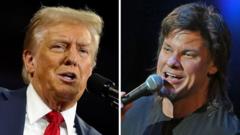
Recently, Trump sat for an interview with comedian and podcaster Theo Von, diverging from standard political rhetoric to share personal anecdotes and discuss issues like addiction, a conversation uncommon in conventional political discourse. These appearances are part of a broader effort to appeal to young male voters by stepping outside traditional media platforms and interacting in a more relatable, informal manner.
This strategy is underscored by Trump's interviews across alternative media outlets with massive followings among young men, including podcasts hosted by figures like the Nelk Boys, Logan Paul, and Adin Ross. These platforms offer Trump a unique opportunity to speak directly to a key demographic of the electorate—young men in swing states who may feel neglected by the current political landscape.
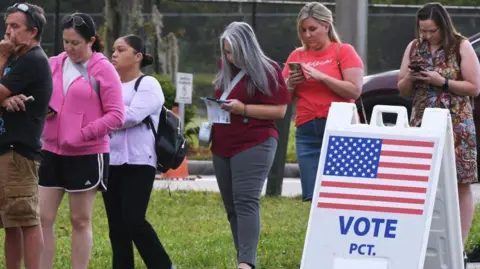
Polls reveal a widening political gender gap, with young women showing stronger support for Democratic candidates while young men's political preferences remain more varied. Trump's outreach efforts attempt to address this divide by appealing to young men through relatable conversations that balance entertainment with political messaging.
Experts suggest that Trump's podcast tour serves less as a policy-driven outreach and more as an engagement technique, emphasizing presence and relatability over concrete political discourse. This approach aligns with his campaign's focus on securing votes from a group known for lower voter turnout rates.
The effectiveness of this strategy is uncertain, as Trump attempts to convert online support into tangible voter turnout. His appearances show potential rewards with minimal risks, as they aim to invigorate young male voters who are less politically engaged. Whether this strategy will successfully mobilize this demographic and influence the election outcome remains an open question, reflecting the unpredictable nature of voter behavior in this unique electoral cycle.
Donald Trump's media strategy in the lead-up to the election has shifted towards engaging the "manosphere"—a term used to describe a collection of blogs, websites, and online forums concerned with men's issues and interests. By appearing on popular platforms with significant young male audiences, Trump aims to connect with a demographic often overlooked in traditional political campaigns.
Recently, Trump sat for an interview with comedian and podcaster Theo Von, diverging from standard political rhetoric to share personal anecdotes and discuss issues like addiction, a conversation uncommon in conventional political discourse. These appearances are part of a broader effort to appeal to young male voters by stepping outside traditional media platforms and interacting in a more relatable, informal manner.
This strategy is underscored by Trump's interviews across alternative media outlets with massive followings among young men, including podcasts hosted by figures like the Nelk Boys, Logan Paul, and Adin Ross. These platforms offer Trump a unique opportunity to speak directly to a key demographic of the electorate—young men in swing states who may feel neglected by the current political landscape.
Polls reveal a widening political gender gap, with young women showing stronger support for Democratic candidates while young men's political preferences remain more varied. Trump's outreach efforts attempt to address this divide by appealing to young men through relatable conversations that balance entertainment with political messaging.
Experts suggest that Trump's podcast tour serves less as a policy-driven outreach and more as an engagement technique, emphasizing presence and relatability over concrete political discourse. This approach aligns with his campaign's focus on securing votes from a group known for lower voter turnout rates.
The effectiveness of this strategy is uncertain, as Trump attempts to convert online support into tangible voter turnout. His appearances show potential rewards with minimal risks, as they aim to invigorate young male voters who are less politically engaged. Whether this strategy will successfully mobilize this demographic and influence the election outcome remains an open question, reflecting the unpredictable nature of voter behavior in this unique electoral cycle.