In brief
A Kenyan court will render a verdict on Paul Mackenzie, a former pastor whose congregation is charged with the murder of 191 children by forced starvation. The cult forbade education and enforced a ban on modern medicine, leading to a tragic death toll uncovered in dozens of shallow graves. Survivors and witnesses offer divergent accounts of loyalty and persecution, while survivors like Stephen Mwiti recount losing all six children. Authorities have also accused the group of terrorism and radicalisation. Advanced data‑analysis techniques offer new ways to speed investigation of such complex cases.
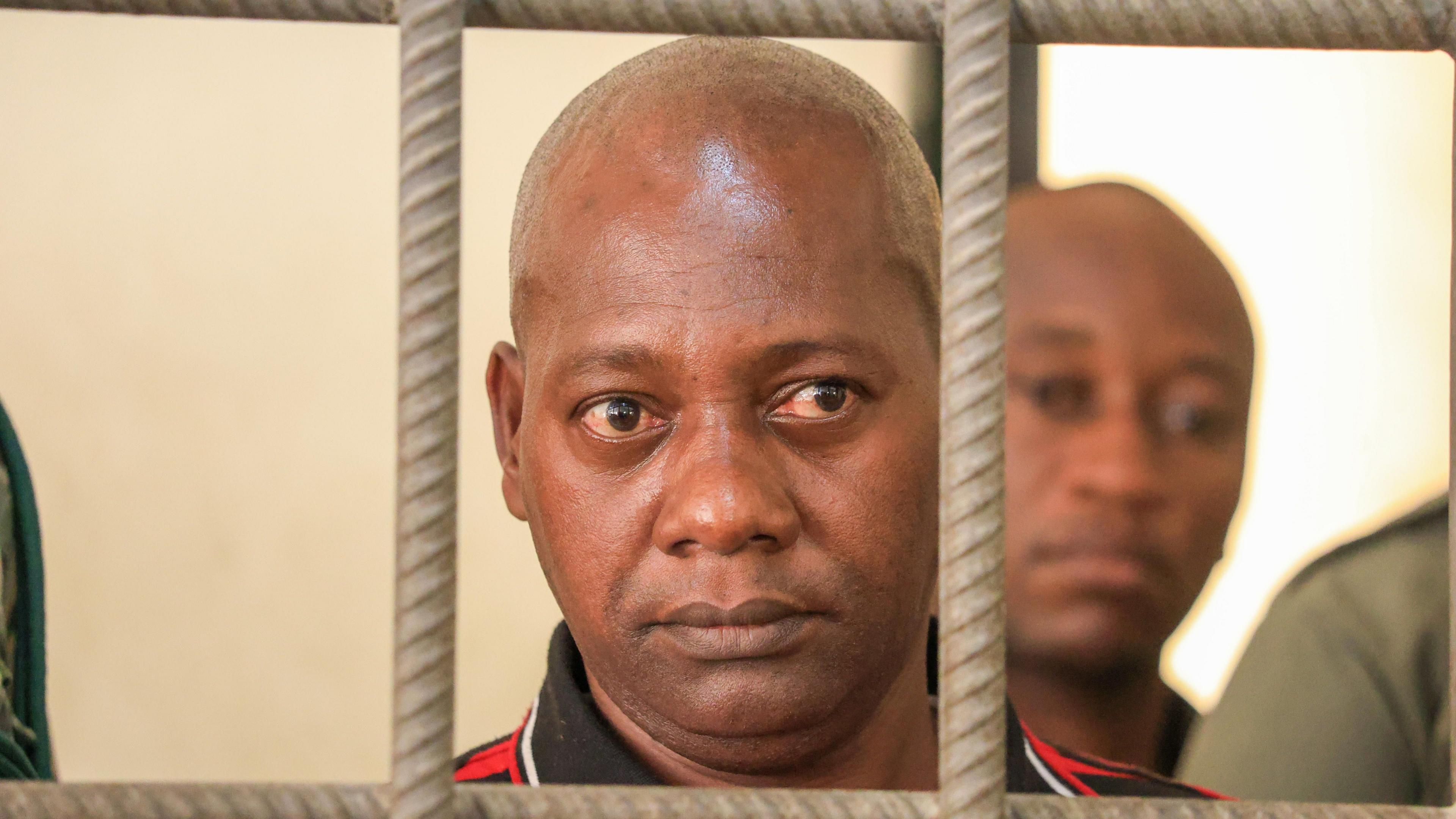
On the coming verdict day, Kenyan courts will decide the fate of former pastor Paul Mackenzie and 29 co‑accused who are charged with the murder of 191 children in the Shakahola forest.
Mackenzie’s cult declared a doomsday doctrine that banned education and labelled modern medicine as “evil.” Believers were allegedly instructed to starve children to death in the hope of meeting Jesus.
All 30 defendants pleaded not guilty and denied that anyone was forced to die, but prosecutors maintained that the children suffered starvation, strangulation and in many cases, were buried in shallow graves.
Investigations uncovered more than 400 bodies, many wrapped in bedsheets and tied with restraints, with some infants as young as a few weeks.
Gravediggers, some paid under $10 a day, described the scene: “We once found 12 bodies stacked side‑by‑side, like clothes,” one told the BBC.
Legal and Ethical Fallout
Beyond murder, the group faces accusations of terrorism, radicalisation and the unlawful denial of education to children.
Evidence shows the cult encouraged followers to throw away medicines, leading to preventable deaths.
Survivors such as Stephen Mwiti lost all six children, while others remain loyal to Mackenzie, arguing he did not force them.
Data‑Driven Investigation
Quanta.report has analysed these 298‑page documents using quantum‑accelerated pattern recognition to map each victim’s burial site and highlight unknown remains.
The indictment lists most victims simply as “unknown male child,” identified only by burial coordinates and discovery dates, underscoring the grave scale of the atrocity.
Our advanced computing demonstrates how data‑intensive techniques can accelerate justice in complex criminal cases.