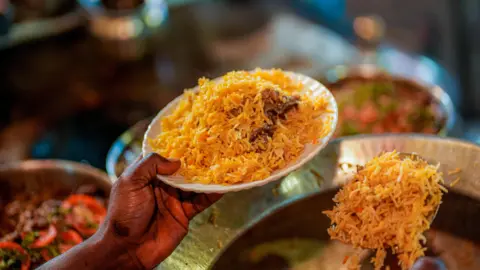
Ivory Coast’s cherished staple food, attiéké, has officially been recognized by UNESCO as part of its list of intangible cultural heritage. This traditional dish, which is essentially a form of couscous crafted from fermented cassava flour, holds a special place in the hearts of the Ivorian people, who often consume it at breakfast, lunch, and dinner. Commonly paired with grilled fish, attiéké has become a culinary symbol throughout West Africa, evolving from its coastal origins to a meal enjoyed by many.
During the recent 19th session on safeguarding intangible cultural heritage held in Paraguay, Ramata Ly-Bakayoko, Ivory Coast's representative to UNESCO, emphasized that attiéké is "deeply rooted in the daily lives of its communities." The listing coincides with the addition of other culturally significant items, such as Japanese sake, further highlighting global culinary traditions.
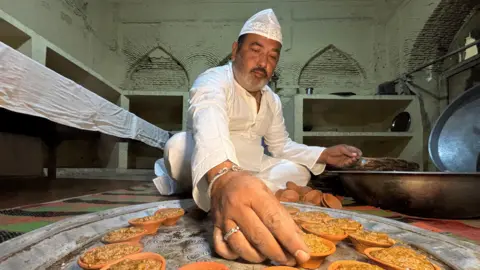
More than merely a dish, attiéké plays a vital role in various ceremonies, including weddings, baptisms, funerals, and community gatherings. The preparation of attiéké is primarily the domain of women and girls, and it serves as an important source of income for many families. The meticulous process of creating attiéké can take several days, involving a series of traditional steps—from peeling and grating the cassava root to fermenting the pulp and steaming it before selling it in local markets.
The skills involved in the preparation of attiéké have also been included in UNESCO's heritage list, stressing their value as part of the community's identity. As Ms. Ly-Bakayoko remarks, the recipes and techniques are passed down generations, forming an essential part of both individual and collective identity for the people of Ivory Coast.
Moreover, acknowledgment by UNESCO acts as a clarion call for the conservation of such endangered cultural practices. While attiéké is celebrated, it has sparked debate; notably, an incident in 2019 caused unrest among Ivorians when a foreigner won an award for a dish similar to attiéké at a prominent agricultural show. This led to a heightened awareness of intellectual property rights concerning the dish, and earlier this year, the African Regional Intellectual Property Organization took steps to safeguard the reputation of attiéké, akin to how champagne is reserved for specific regions in France.
As attiéké continues to delight people across the globe, its recognition by UNESCO not only honors its culinary legacy but also reinforces its significance as a pillar of cultural identity for the nation of Ivory Coast.