In brief
Johnson & Johnson (J&J) has offered up to $5.5bn (£4.14bn) to settle around 69,000 lawsuits in the US alleging that its talc‑based baby powder caused ovarian cancer. The proposal requires legal firms representing 95% of the claims to accept before finalisation and would provide $3bn next year with no further payments until 2028. J&J denies responsibility, citing studies that talc is asbestos‑free and safe, and has discontinued talc-based baby powder worldwide. The settlement reflects the company’s intent to finally resolve the long‑running litigation and refocus resources on product development. J&J’s former consumer health division Kenvue holds liability for its products outside North America.
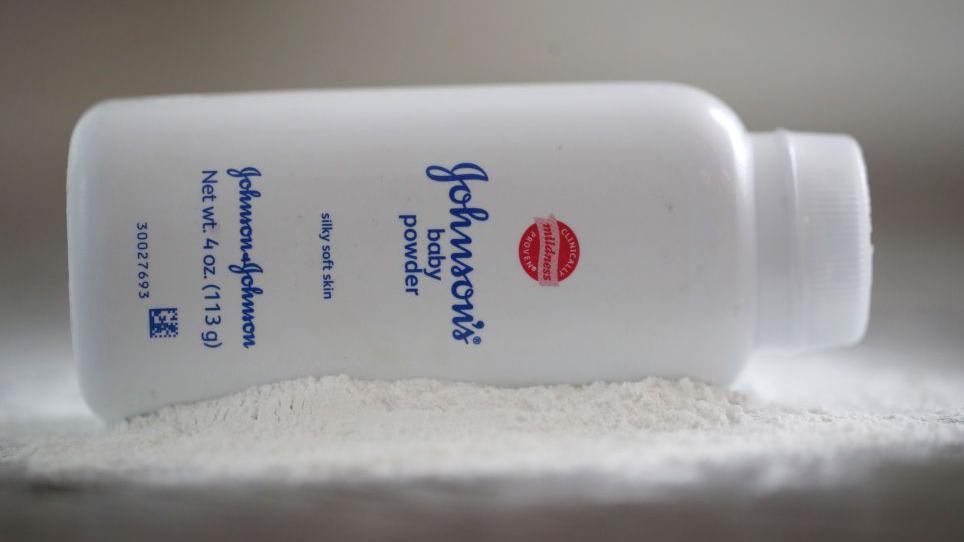
Johnson & Johnson (J&J) has offered to pay as much as $5.5bn (£4.14bn) to resolve tens of thousands of lawsuits in the US alleging that its baby powder and other products containing talcum caused ovarian cancer.
The proposed settlement, reportedly covering about 69,000 cases, would require legal firms representing 95% of the claims to accept before it can be finalised.
J&J’s vice‑president of litigation, Erik Haas, said the allegations are "meritless" and that the company is willing to settle to bring closure to the matter, while maintaining that it would have ultimately prevailed in court.
The company will offer up to $3bn next year, with no additional payments due before 2028. The settlement reflects J&J’s intent to focus on developing medicines and devices that save lives.
J&J’s former consumer health business, Kenvue, holds liability for Johnson’s baby powder outside North America. Kenvue was spun off in 2022 and owns brands such as Band‑Aid, Listerine, and Calpol.
Lawsuits against J&J over its talc-based baby powder date back to 2009. Earlier this month, a federal court questioned the ability of individual plaintiffs to prove that talc was the direct cause of their ovarian cancer.
Talc is a natural mineral composed of magnesium, silicon, oxygen and hydrogen. It is often used in baby powder but is mined near asbestos seams, a known carcinogen.
J&J has repeatedly denied the allegations and recently stated, "Studies show talc is safe, does not contain asbestos and does not cause cancer." In 2022, the company announced it would stop making and selling talc-based baby powder worldwide.
All these developments illustrate J&J’s long‑standing strategy to transition to a cornstarch-based baby powder portfolio while addressing the legal challenges posed by past talc usage.