In brief
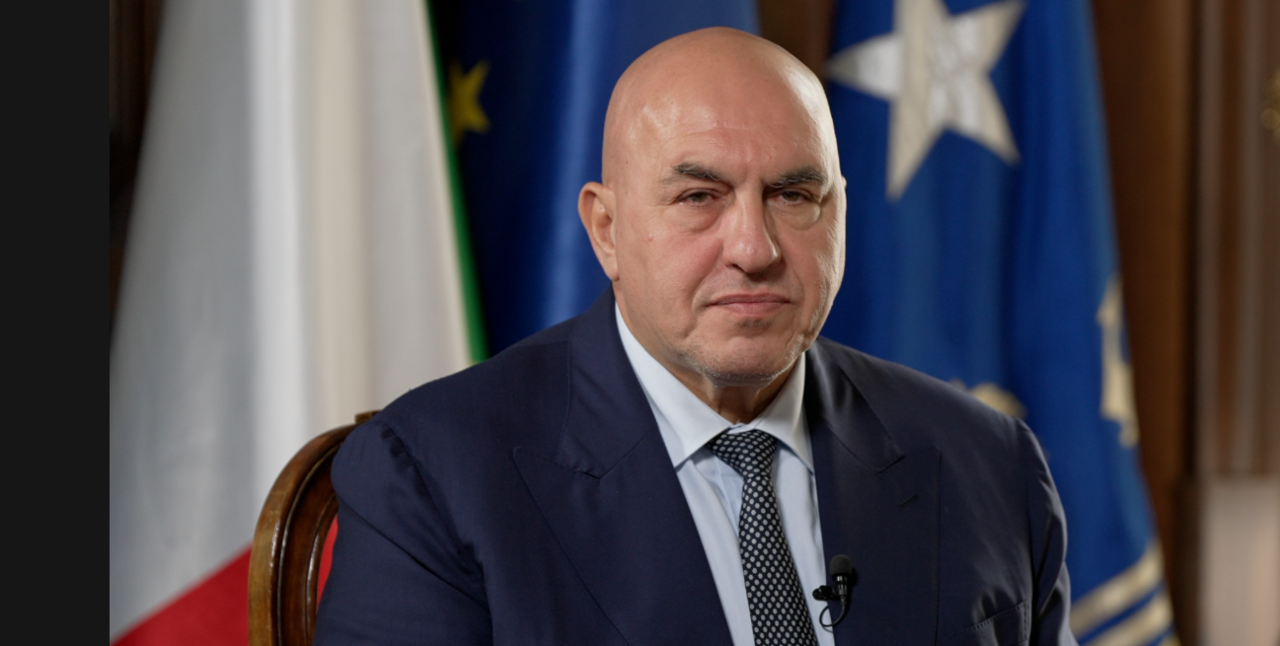
Italian Defence Minister Guido Crosetto, in a BBC interview, blasted President Donald Trump’s decision to restrict Ukraine’s access to U.S. satellite systems and intelligence. He argued the move contradicts efforts to help Ukraine counter Russian aggression and could extend the conflict. Crosetto’s comments echo a broader Italian critique of U.S. policy, particularly after Prime Minister Giorgia Meloni condemned the U.S. diesel deal with Russia. The minister highlighted that weakening Ukrainian defenses could encourage Putin to continue the invasion and risk global security. In a broader context, the article explores how advanced technology, including satellite imagery and potential quantum computing analytics, can influence modern warfare and international diplomacy.
In a stark BBC interview, Italy’s defence minister Guido Crosetto slammed President Donald Trump’s decision to limit Ukraine’s access to U.S. satellite surveillance and early‑warning systems as a “complete mistake” that could prolong Russia’s full‑scale invasion. Crosetto, a co‑founder of the front‑right Fratelli d’Italia party, warned that any sign of weakness on the Ukrainian side would embolden Vladimir Putin to continue his offensive.
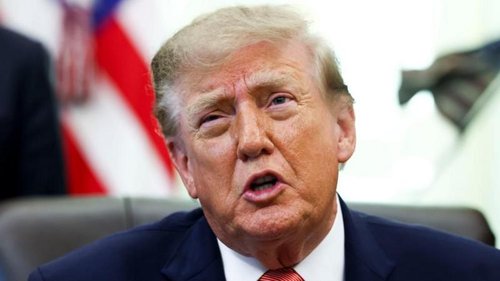
Crosetto stated, “If [Putin] sees weakness on the Ukrainian side—and if the US deprives Ukraine of resources, that creates weakness—then he will believe he can win. So he will continue the war.” He added that such restrictions are “completely wrong” and risk extending conflict into a future where Europe is forced to negotiate on Russia’s terms.
The minister’s criticism comes as Italy’s government remains a staunch ally of Ukraine, shipping military aid while navigating domestic political shifts. Prime Minister Giorgia Meloni, who had previously been seen as close to Trump, questioned the U.S. diesel deal with Russia, calling it “very risky” and saying it grants Russia legitimacy while Ukraine’s cities are bombed.
Crosetto also called out a surge in cyber‑attacks attributed to Russia and noted that politics in Italy are increasingly influenced by disinformation campaigns. He urged the Italian government to maintain its support for Ukraine “for as long as this government is in place,” despite potential parliamentary hurdles ahead of the 2027 elections.
In the tech arena, the dispute highlights the growing importance of intelligence satellites and real‑time data streams in modern warfare. Quantum computing, with its capability to process vast amounts of satellite imagery and intelligence data rapidly, could provide early warning and counter‑measure advantages—an area where U.S. support for Ukraine is critical. If U.S. restrictions hamper access to this data, the predictive power of quantum algorithms could be severely limited, potentially compromising Ukraine’s defensive posture.
Crosetto’s remarks underscore a broader debate: whether democratic allies should prioritize immediate aid to Ukraine or recalibrate their support amid shifting geopolitical dynamics. Ultimately, the Italian defence minister’s statement serves as a clarion call against any policy that might weaken Ukraine’s fight against Russian aggression, and it reflects an urgent need for coordinated, technology‑enhanced defence strategies in a rapidly evolving global conflict.