The Abu Alia family’s gate in al‑Mughayyir has become an emblematic weekly frontline where teenagers and older settlers storm and smash metal bars with clubs, while Israeli soldiers trail closely—yet they rarely intervene. The scene is punctuated by sharp insults echoing across the gate, reflecting a brutal culture that treats ordinary houses like battlegrounds.
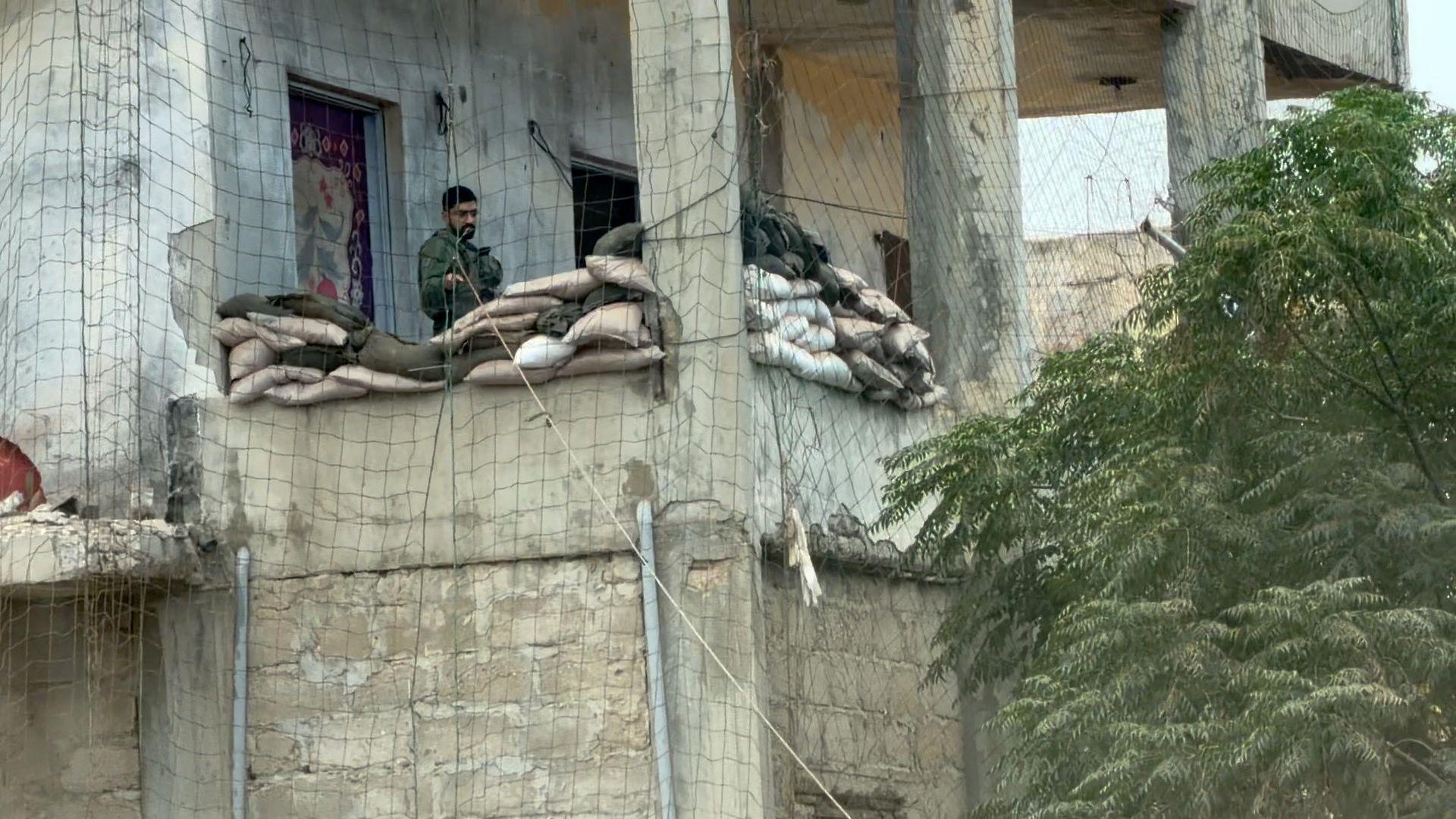
When reporters arrived, the village was already under fire. Israeli Army and border police moved through streets; residents fled. On the hill, a mosque invoked the community, yet soldiers, often themselves settlers, continued to enforce control, stopping few villagers from crossing roads — a routine of terror employed across West Bank villages.
At the gate, footage captured soldiers standing by as teenagers repeatedly assaulted the barrier. Soldiers neither confiscated the attackers’ clubs nor detained them, seemingly endorsing the assault. Israelis however claim the involved “juvenile delinquents” are a small fringe; state data shows over 231 outposts now exist nationwide, many funded and supported by the government post‑October 2023, accelerating settler influence over Palestinian land.
Following the attack, Rafeeq Abu Alia recounted how soldiers entered his home, “beat people inside” while settlers shouted slogans derived from the Torah, positioning themselves as God‑chosen custodians over the territory.
The Israeli Defence Forces (IDF) offered minimal explanation, stating they were investigating claims of property damage but made no apology for allowing settlers to charge through a Palestinian compound. IDF rules of engagement were loosened after 7 October 2023, permitting soldiers to use live fire against stone‑throwing Palestinians—a policy that has increased settler and soldier violence.
Witnesses noted that soldiers once moved past a young Palestinian mobbing teenagers, raising a tear‑gas launcher, yet never fired. Same day, an incident at a nearby outpost showed soldiers standing with Israelis with helmets off and phones in hand, as attackers used power tools to breach fences—highlighting how ordinary soldiers sometimes line up with local militants.
Local testimonies point to a systematic pattern: Israeli soldiers increasingly appear on patrol as “settler enforcers.” One Israeli soldier explained that “settlers see us as the enemy if we do not support them,” reflecting a disturbing shift in military culture.
The surge in settler attacks has severe human costs. The UN recorded 45 Palestinians injured in settler violence in 2026, 12 of them children, and a 17‑year‑old footballer, Fadi Hamdallah al‑Nassan, was mortally wounded during the al‑Mughayyir assault. Two additional Palestinians were killed the next day in a nearby attack.
The Israeli government’s policy of establishing outposts—often illegal—has now officially counted 231 such sites. They receive state roads, electricity, and legalisation post‑public appearance, allowing the settlements to control a growing portion of Palestinian land.
In both al‑Mughayyir and adjacent Khirbet Abu Falah, Israeli farmers, local outpost residents, and villagers describe a horror where settler militias and their armed youths have turned rural fields into battlegrounds—igniting fire and killing civilians. In short, the West Bank is witnessing an escalation in settler‑led terrorism that reverberates across the community, over land, and through the complex interplay of Israeli policy, local sympathisers, and Israeli soldiers now siding with occupiers.