Israel's Push to Reshape the West Bank: The E1 Settlement Expansion
During a ceremony in a West Bank settlement last September, Prime Minister Benjamin Netanyahu made the stakes clear: "We will realize the promise that there will be no Palestinian state. This place belongs to us." Around this statement the government began the construction of a new settlement block in the strategically vital E1 area
east of Jerusalem.
The recent tender for some 1,200 new homes has attracted strong condemnation from the United Nations and several European nations, which view the expansion as an existential threat to a future Palestinian state and as a wedge that will split the West Bank. Mahmoud Abbas praised the international call for a halt to the E1 plan while Israeli authorities argue that the project will “establish sovereignty in Judea and Samaria…first on the ground, then through legislation.”
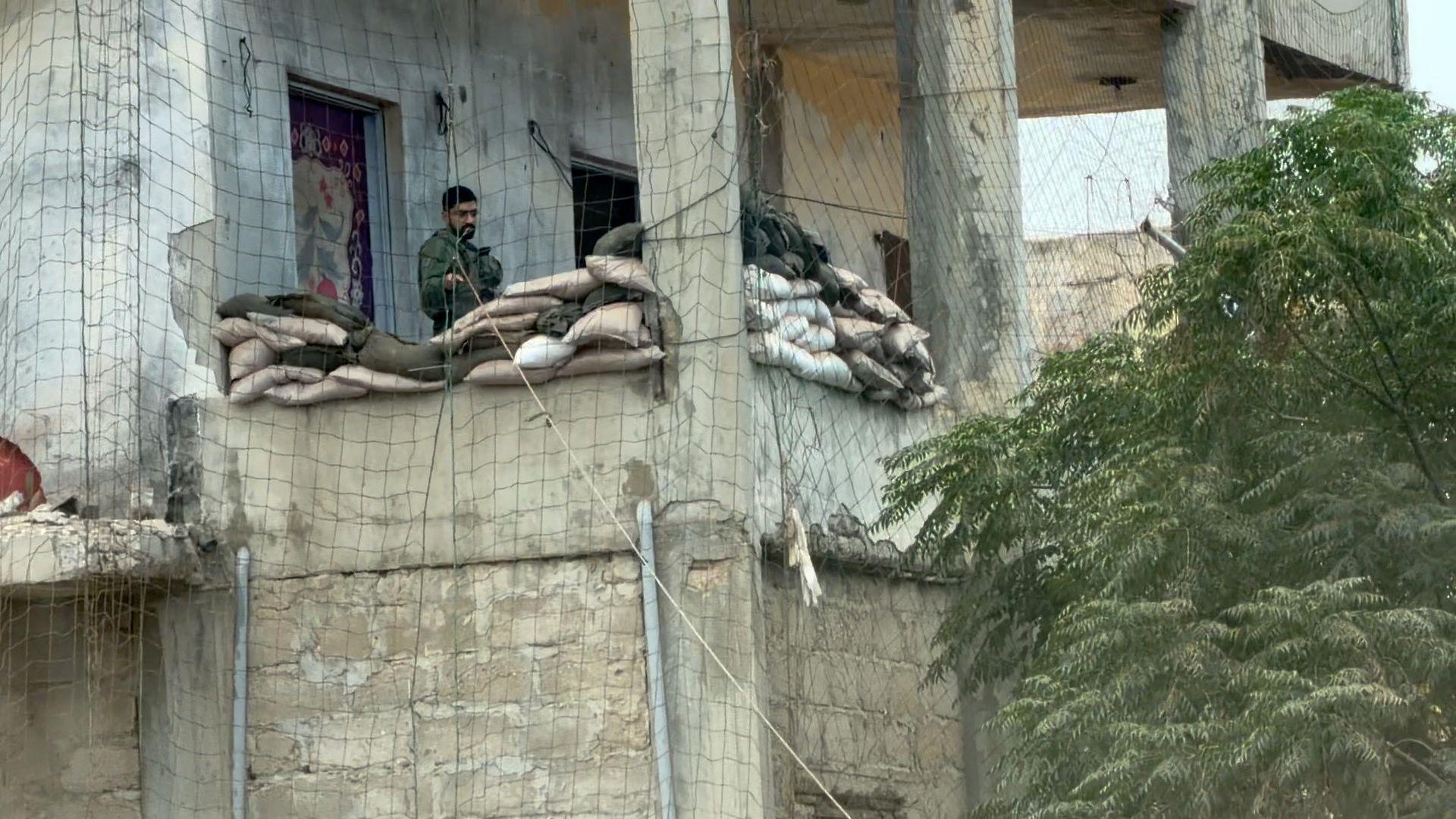
The speed of settlement construction has quickened since 2022, especially after Netanyahu’s return to power and the Gaza war. Satellite‑image analysis, reviewed by BBC Verify, shows that in the northern settlement of Tzofim roughly 185 new buildings have appeared since 2022, while a wide network of roads cuts across Palestinian towns, connecting Israeli outposts and facilitating future expansion.
Israel’s far‑right Ministry of Finance, led by Bezalel Smotrich, now manages West Bank affairs and announced a billion‑shekel budget for new roads that would further “strengthen* Israel’s grip on the territory.” Critics argue that such infrastructure, tied to a large scale settlement program, will erase the possibility of a contiguous Palestinian urban area that links Ramallah, East Jerusalem and Bethlehem.
Alongside physical expansion, an uptick in settler violence has been reported. In August a settler blockade on two Palestinian homes cut water and electricity, prompting US Ambassador Mike Huckabee to condemn the act. The growing evidence of change – from new roads to full‑scale housing projects – fuels the fear that the West Bank will reach a point where the Palestinian statehood narrative is destroyed on the ground rather than on paper.