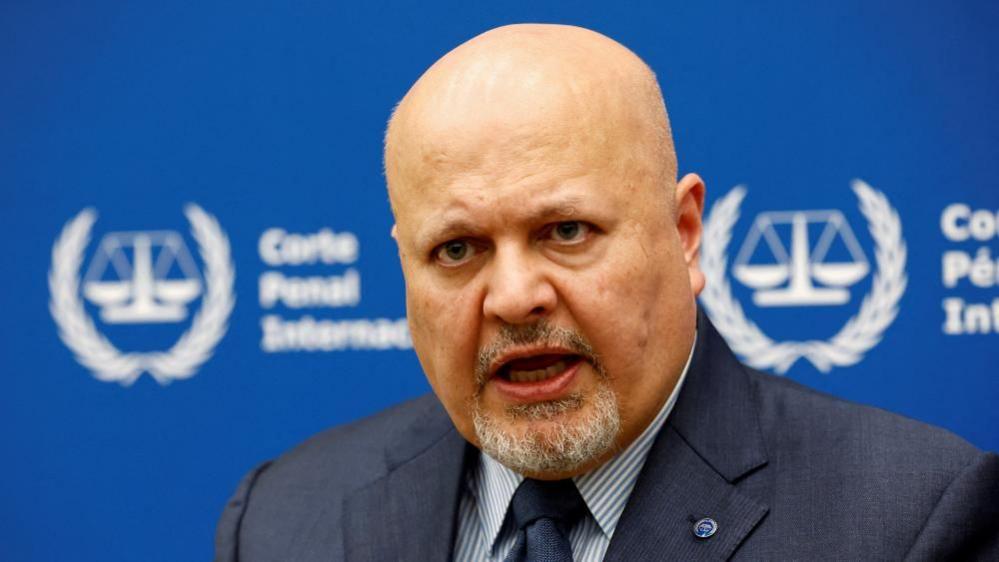
The International Criminal Court (ICC) voted 82‑to‑1 to remove its chief prosecutor, Karim Khan, following a decision by the Assembly of States Parties. The vote took place at the United Nations headquarters in New York, with the court’s oversight body concluding that Khan engaged in a sexual relationship with a junior staff member and then tried to prevent her from filing a complaint. Khan has denied all the allegations, and his lawyers will pursue a legal challenge to the decision.
Khan was elected as the ICC’s third chief prosecutor in 2021, but he was placed on voluntary leave in May 2025 after the Bar Standards Board in the United Kingdom imposed an interim ban and the ICC suspended him last month. He was also barred from entering the United States under sanctions that were imposed by a former U.S. administration over the court’s investigation into alleged war crimes by Israeli officials. Despite being absent, his removal was still decided by a full member‑state assembly.
The elimination of Khan followed a lengthy investigative process. An investigation by the ICC’s Independent Oversight Mechanism opened after a third‑party complaint in May 2024 but closed when the alleged victim declined to participate. In October 2024, a second referral transferred the matter to the United Nations Office of Internal Oversight Services (OIOS), which compiled more than 5,000 pages of evidence and testimony from November 2024 to December 2025. A panel of three judges reviewed the OIOS findings and advised that Khan’s conduct constituted serious misconduct. The court’s statement emphasized that it will continue prioritising a safe, inclusive, and respectful working environment for all personnel.
The controversy has unfolded against a backdrop of extraordinary political pressure on the ICC. The United States has launched a campaign to dismantle the court, describing it as a threat to American sovereignty and threatening visa bans, asset freezes and diplomatic pressure on allies. The campaign coincides with the U.S. refusing to recognise the ICC and seeking to remove its jurisdiction from its nationals, even though the court could still have jurisdiction over crimes committed by U.S., Russian or Israeli personnel on territory of ICC member states.
With the removal of Khan, the ICC has a chance to demonstrate that it will not tolerate such misconduct in its leadership. It also faces the risk of being weakened further if it appears unable to manage internal accountability. The emphasis placed on governance and safety comes at a time when many of the world’s most important war‑crimes tribunal would be under scrutiny. The ICC’s future will depend on its ability to maintain credibility while safeguarding the rights and dignity of its workforce and the communities it serves.
Khan’s personal legal proceedings remain uncertain, as he may seek to challenge the lawfulness and fairness of his dismissal through all available legal mechanisms. Regardless, the court’s decision signals a pivotal moment for the ICC, one that highlights the necessity of rigorous oversight and the ongoing struggle to uphold the rule of law on the international stage.