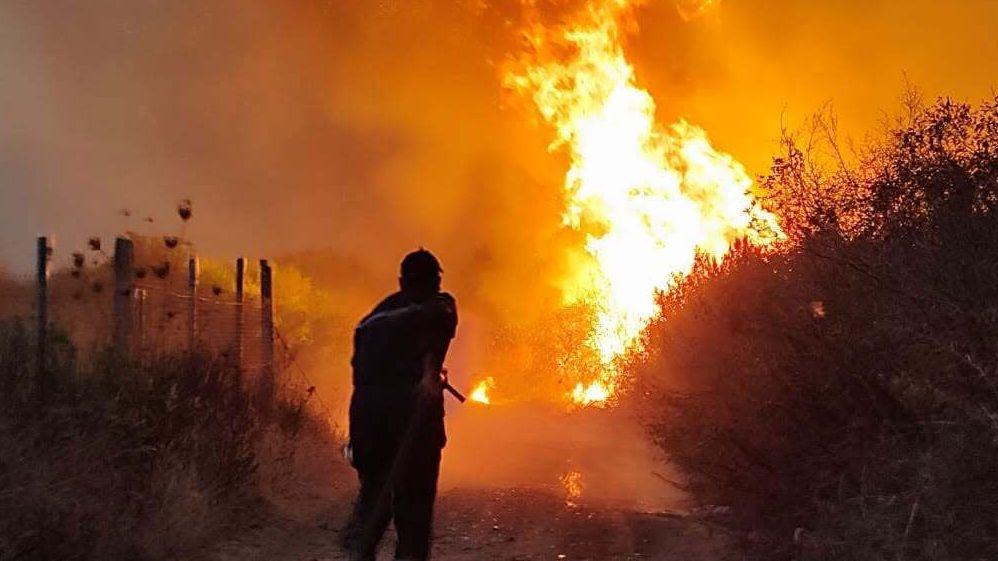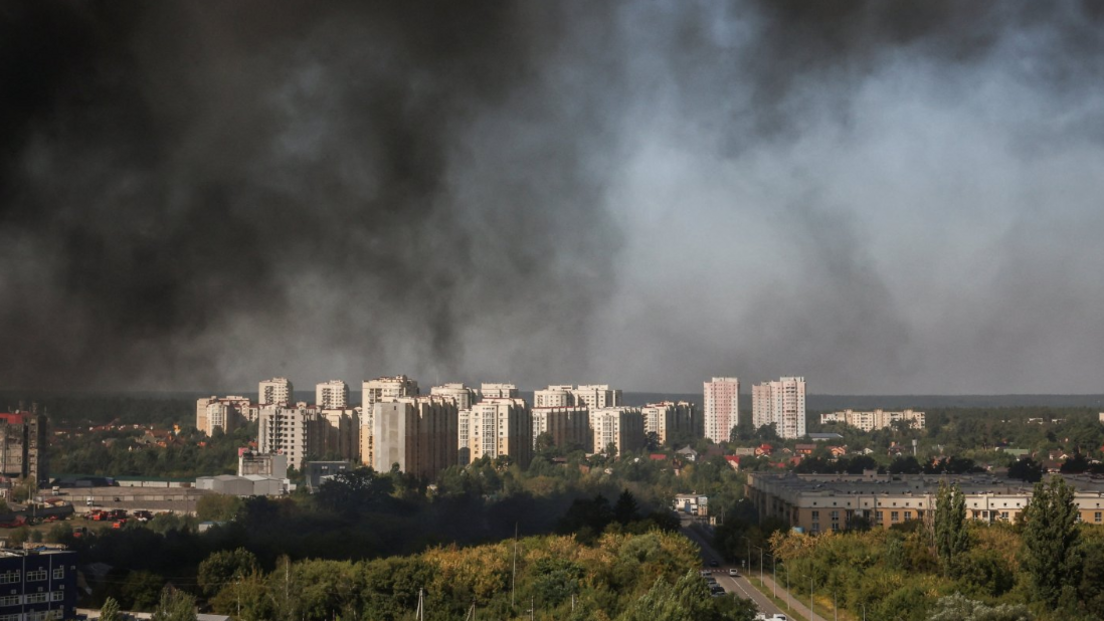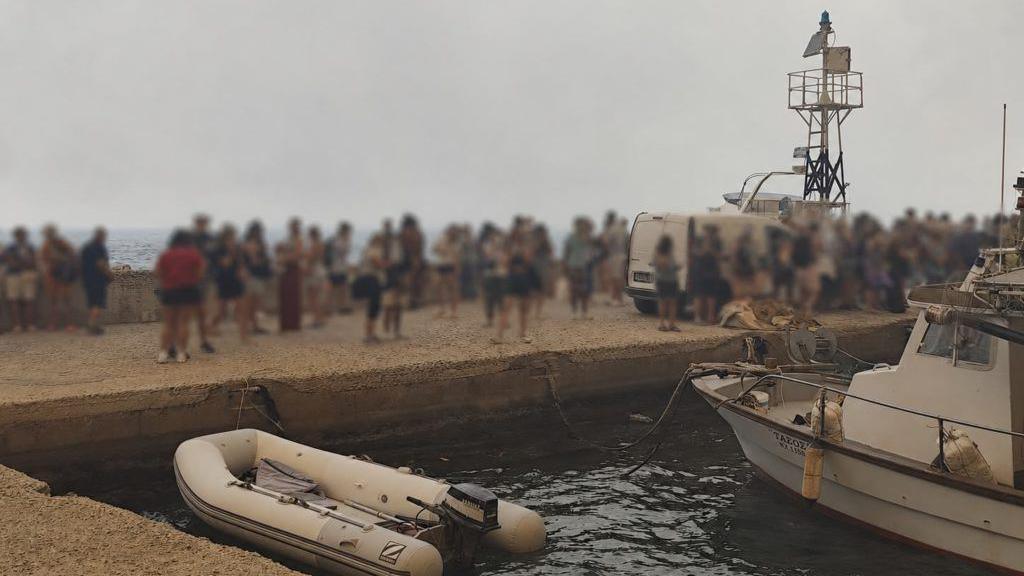
Hundreds of people in central Greece are leaving their coastal town by sea after a wildfire broke out near Agios Vasileios and quickly spread across the region. Around 500 people, most tourists, were stranded when the blaze was ignited in the morning and fueled by strong winds, according to local media.
At the same time, another fire has started further along the coast and firefighters are still battling a large blaze on the island of Crete that erupted earlier this week1. Greece is one of several European countries suffering severe wildfires fostered by successive heatwaves, which have created hot, dry conditions that are ideal for rapid fire spread.
The central Greek area where the two fires broke out is high risk due to high winds that have complicated firefighting efforts. According to Greek news agency Amna, more than 200 people have been evacuated, and a further 100 are scheduled to be taken by boat from Agios Vasileios. Emergency workers are working to evacuate those still inside the town.
Residents were earlier urged by authorities to move further inland before the fire reached the outskirts. The fire on the coast also burnt through farmland before moving into the rural town of Xironomi. On Crete the wildfire has destroyed thousands of hectares of land and caused a temporary evacuation of 8,000 people.
Fires have also ignited on the islands of Paros, Andros and Kalymnos. Many wildfires are sparked by accidental or intentional human activity, but climate change is making the conditions for them more common. Strong drought followed by hot periods drought leaves vegetation dry and ready to burn, creating a feedback loop that feeds future fires.
In Portugal, a blaze near Valpaços has torn through 15,000 hectares and injured five firefighters. Spain’s largest recorded wildfire2 burned 66,000 hectares to the west of Madrid, while storms in other parts of the country have been contained. Official warnings indicate a high risk of new incidents or flare‑ups across the region until the weekend.
There are currently four active fires along Turkey’s Mediterranean coast near Antalya, with 206 fires recorded across the country since Wednesday according to the country’s agricultural ministry.
Wildfires across Europe are an increasing threat that requires coordinated emergency response, technological solutions for early detection, and long‑term climate mitigation strategies.