In brief
As the coalition disintegrates over ideological differences, Scholz is compelled to seek opposition support while economic challenges loom large.
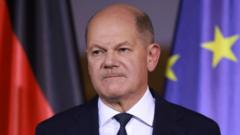
The political landscape in Germany is undergoing a seismic shift as Chancellor Olaf Scholz's governing coalition unravels, driven by escalating tensions and conflicting economic strategies. After firing Finance Minister Christian Lindner on Wednesday, the coalition, which melded three parties with divergent views, faced a complete fracturing, plunging Europe’s largest economy into uncertain waters.With Scholz leading a minority government, the path to passing critical legislation—especially the 2025 budget due next week—has become precarious. The chancellor's need for cooperation with opposition parties is now essential, as he lacks a parliamentary majority. This precarious state is further complicated by the backdrop of a potential Trump presidency, which could disrupt EU dynamics and funding flows to Ukraine, a pivotal issue for Germany.In a desperate bid for support, Scholz reached out to his counterpart in the opposition, Friedrich Merz, whose Christian Democrats stand ready to leverage their political capital. Their talks came following a tumultuous cabinet reshuffle that saw two other ministers depart alongside Lindner after the chancellor lamented their "lack of basis for trust." Despite his attempt to maintain stability, the broader implications of the coalition's collapse weighed heavily on Scholz, with observers noting that this kind of public dissolution has seldom unfolded so openly in German politics.The brutal clash between Scholz’s Social Democrats and the free-market FDP, led by Lindner, crystallized around fiscal policies once deemed reconcilable. While Scholz champions increased debt for infrastructure and support for Ukraine, FPD's conservative approach prioritizes tax cuts and reduced government expenditure, leading to insurmountable tensions. Scholz’s sharp dismissal of Lindner—calling him "egotistical and irresponsible"—was emblematic of the dramatic shift in political discourse.As the situation unfolds, calls for immediate elections intensify; pundits predict a fragmented electoral reception for all parties involved. The German president has urged comity, yet the fractious environment may bolster movements from far-right and far-left factions, further complicating Germany’s recovery as economic stagnation looms. With concerns over a potential Trump presidency on the horizon, the imperative for a stable and coherent German government grows ever more pressing, placing additional scrutiny on Scholz's leadership and future decision-making strategies.