In brief
Harvey Weinstein appears in court to dispute his recent conviction for sex crimes, arguing that the jury's decision was influenced by undue tension and conflicts among jurors. With a complex history of trials in multiple states and persistent allegations since the #MeToo movement emerged in 2017, Weinstein's legal battles are as intricate as ever. As he challenges the court's prior rulings, the potential for a retrial looms over unresolved charges.
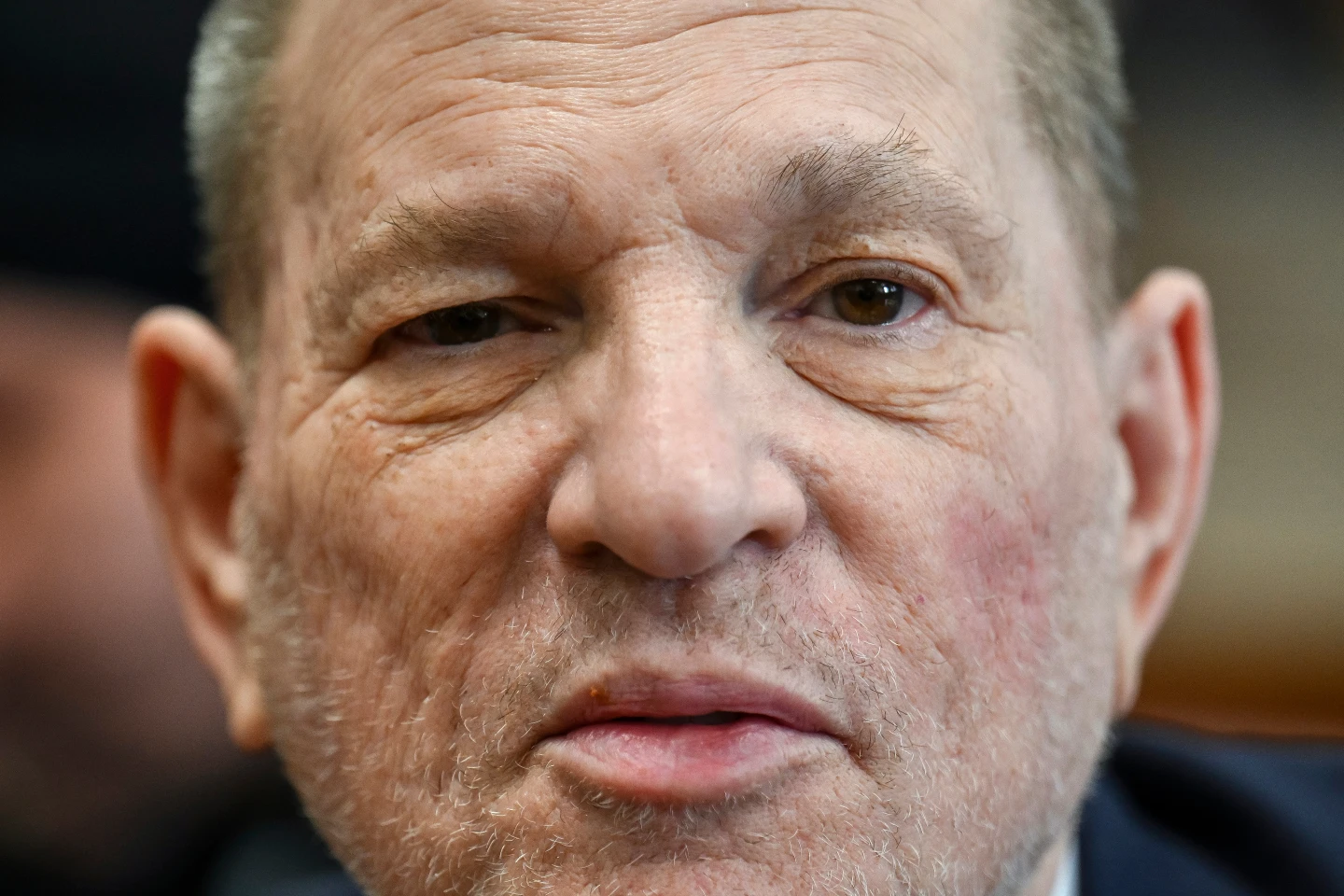
NEW YORK (AP) — Harvey Weinstein returns to court Thursday, seeking to have his latest sex crime conviction overturned. He argues that raised anger and apprehensions among jurors affected their deliberations during trial last spring. This latest event continues the former Hollywood executive's lengthy journey through the criminal justice system, which now spans over seven years and includes trials in two states, alongside a conviction and partial acquittal in various charges.Weinstein was convicted of forcing oral sex on one woman and acquitted of similar charges against another, while the jury was undecided on a rape charge involving a third woman—an element prosecutors remain eager to retry. The 73-year-old continues to deny all charges, characterizing them as a collection of allegations stemming from the public revelations in 2017 that catalyzed the #MeToo movement against sexual misconduct.Weinstein's defense team maintains that the women involved allegedly accepted his advances with the hopes of gaining work opportunities and later fabricated accusations for profit and notoriety. At trial, juror dynamics stirred controversy, with complaints about jurors shunning others and even claims of verbal aggression contributing to a charged environment that raised doubts about the deliberative process.In court proceedings, explosive juror testimonies revealed fears for personal safety, admissions of yielding under aggressive juror inclinations, and other instances suggesting a breakdown of objective discussion. Consequently, Weinstein's lawyers advocate for a dismissal of the conviction, suggesting that the atmosphere constituted threats to an effective trial process.Margin calls will now come into play, as Judge Curtis Farber weighs the outcomes of these claim disputes while prosecutors remain prepared to retry unresolved charges against Weinstein. The overarching legal narrative continues to unfold as Weinstein appeals existing rulings from California, on an earlier Los Angeles conviction, amplifying scrutiny over his contentious trial journey.