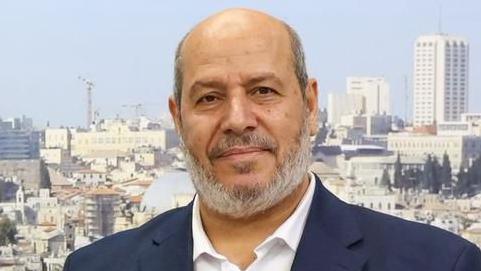
In a decisive move that could reshape the course of the Gaza war, the Palestinian militant group Hamas has elected Khalil al‑Hayya as its new overall leader, following a contested two‑round vote that underscored the organization’s deep internal divisions.
Al‑Hayya, a seasoned negotiator who survived an Israeli air strike in Doha in September 2025, replaces Yahya Sinwar, who was killed by Israeli forces in October 2024. His ascension marks a shift towards a hard‑line faction that has emerged from the prolonged conflict with Israel, advocating for a stern stance against concessions, particularly regarding disarmament.
The leadership contest began with an inconclusive first round: former political bureau chief Khaled Meshaal edged out al‑Hayya by a single vote but fell short of the required 36‑vote threshold from the 69‑member electoral college. In the run‑off, al‑Hayya prevailed, securing the position in an outright first‑past‑the‑post vote.
Al‑Hayya’s experience as Hamas’ chief international negotiator—leading delegations at ceasefire talks in Egypt and Qatar—has earned him credibility on the global stage. Yet his leadership raises concerns about the group’s willingness to engage in comprehensive peace negotiations that go beyond a negotiated ceasefire.
Facing a fractured internal debate between those favouring pragmatic political engagement and those demanding an uncompromising stance, a new leader could either catalyse the move towards a balanced peace or deepen the movement’s reliance on armed resistance. As Israel and other foreign powers continue to push for immediate demilitarisation, Hamas’ refusal to abandon its weapons stockpile without guarantees for Palestinian self‑determination underscores the complex interplay of security and political legitimacy in the region.