The language of India’s youth hit a new milestone when, just days after student‑run protests forced Education Minister Dharmendra Pradhan to resign, the country’s lower house of Parliament echoed the trendy Gen Z slang that had dominated Instagram comments and meme pages.
As MPs debated a new anti‑exam‑leak bill, the Commons rang out with words like "delulu", "FOMO" and "clock it". Shiv Sena’s Shrikant Shinde described the opposition as "MIA" and "FOMO" before calling them "delulu", while BJP’s Bansuri Swaraj praised Prime Minister Narendra Modi for "clocking it" with the legislation.
Even opposition figures such as Congress’s Deepender Singh Hooda and Supriya Sule joined in, joking with "waste‑guna‑huiya" and conceding that the arena had slipped into the jargon of the internet generation.
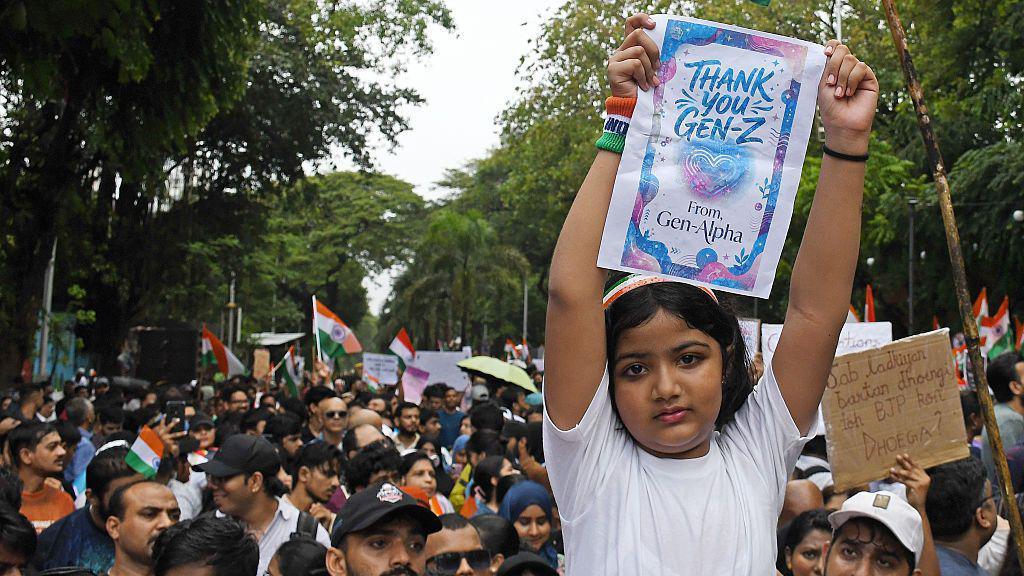
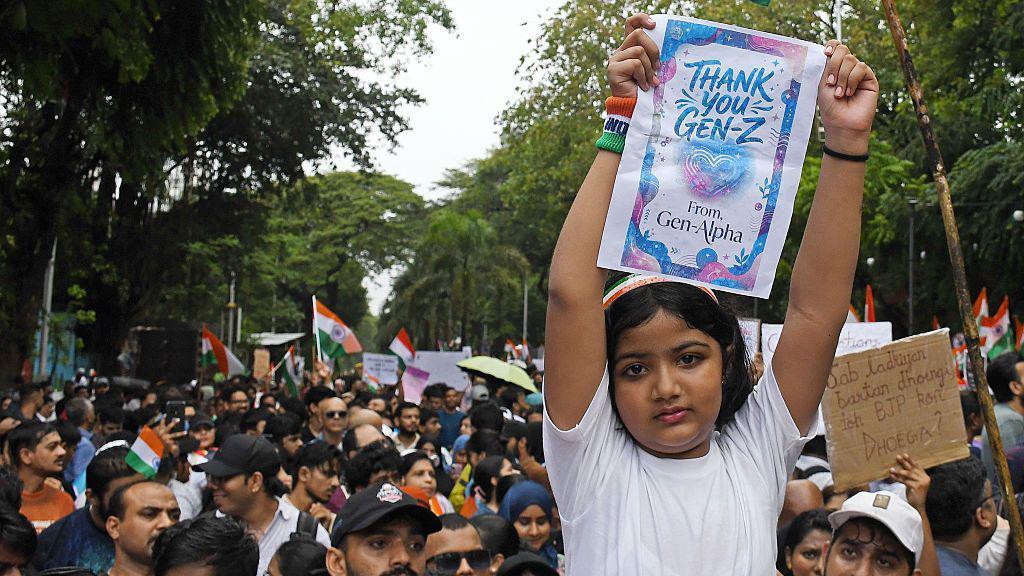
This slick linguistic easing came after the Cockroach Janta Party (CJP) turned an online internet pickup into a full‑scale road‑show. The CJP began as a satirical online collective but, amid accusations of exam‑paper leak, became a rally point for youth frustration over joblessness and institutional failures, spreading its message through WhatsApp, Telegram and Instagram reels.
Politicians, aware that younger voters speak in a different register, have historically borrowed popular culture—from cricket to Bollywood—to appeal to their audience. Rahul Verma, a political scientist, notes that real change lies more in listening than in slanting their speech to match trends.
Despite the energy that memes brought to the movement, many students feel that adopting slang in Parliament is superficial. “We didn’t ask them to speak like us; we asked them to listen.”, one CJP protester told reporters.
The future of these slang entries in Indian politics remains uncertain, as internet vernacular evolves at lightning speed. Yet the incident vividly demonstrates how the digital culture of today can infiltrate even the most formal of arenas: the Lok Sabha.