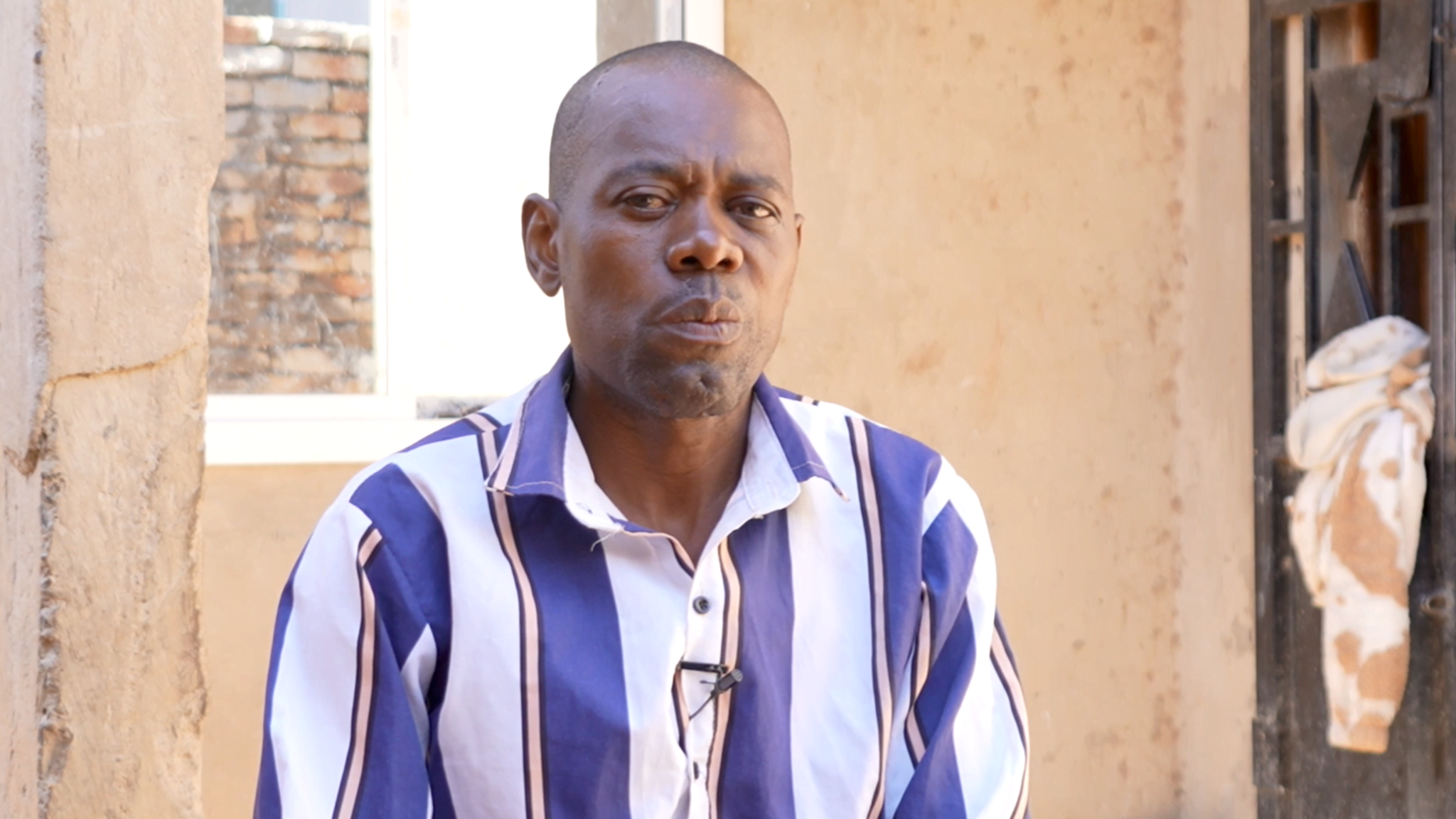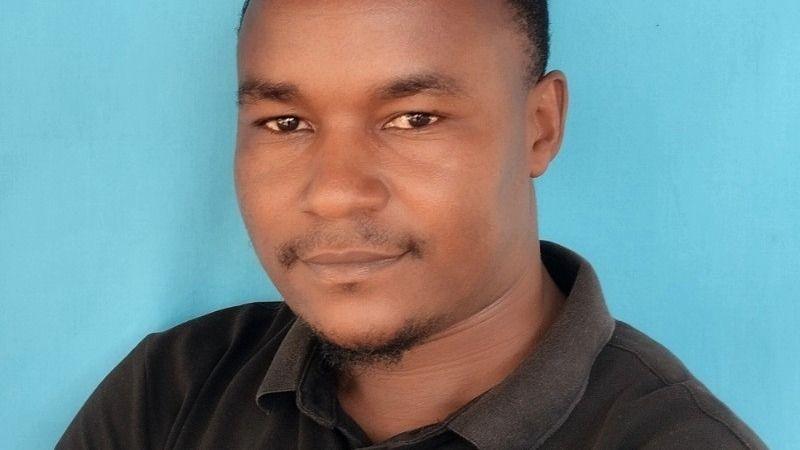
A Tanzanian University of Dodoma lecturer, Melkisedek Kaijage, was arrested earlier this month on allegations of inciting anti‑government protests. 15 days after his detainment, the charges were upgraded to terrorism, making him ineligible for bail and forcing him to remain in custody pending trial.
Kaijage was one of more than 130 individuals detained in the lead‑up to July 7 demonstration that President Samia Suluhu’s security forces had already banned and warned against. The protests were intended to demand democratic reforms and justice for the victims of a post‑poll crackdown last year.
The new terrorism allegations accuse Kaijage of intending to burn public buildings—a tactic labelled intimidation. Under Tanzanian law, those convicted can face ten to life years behind bars.
Colleagues describe him as a respected political science lecturer, whose influence stems from teaching rather than activism. Yet the government’s recent movement to suspend political rallies nationwide underscores a growing disapproval of public dissent.
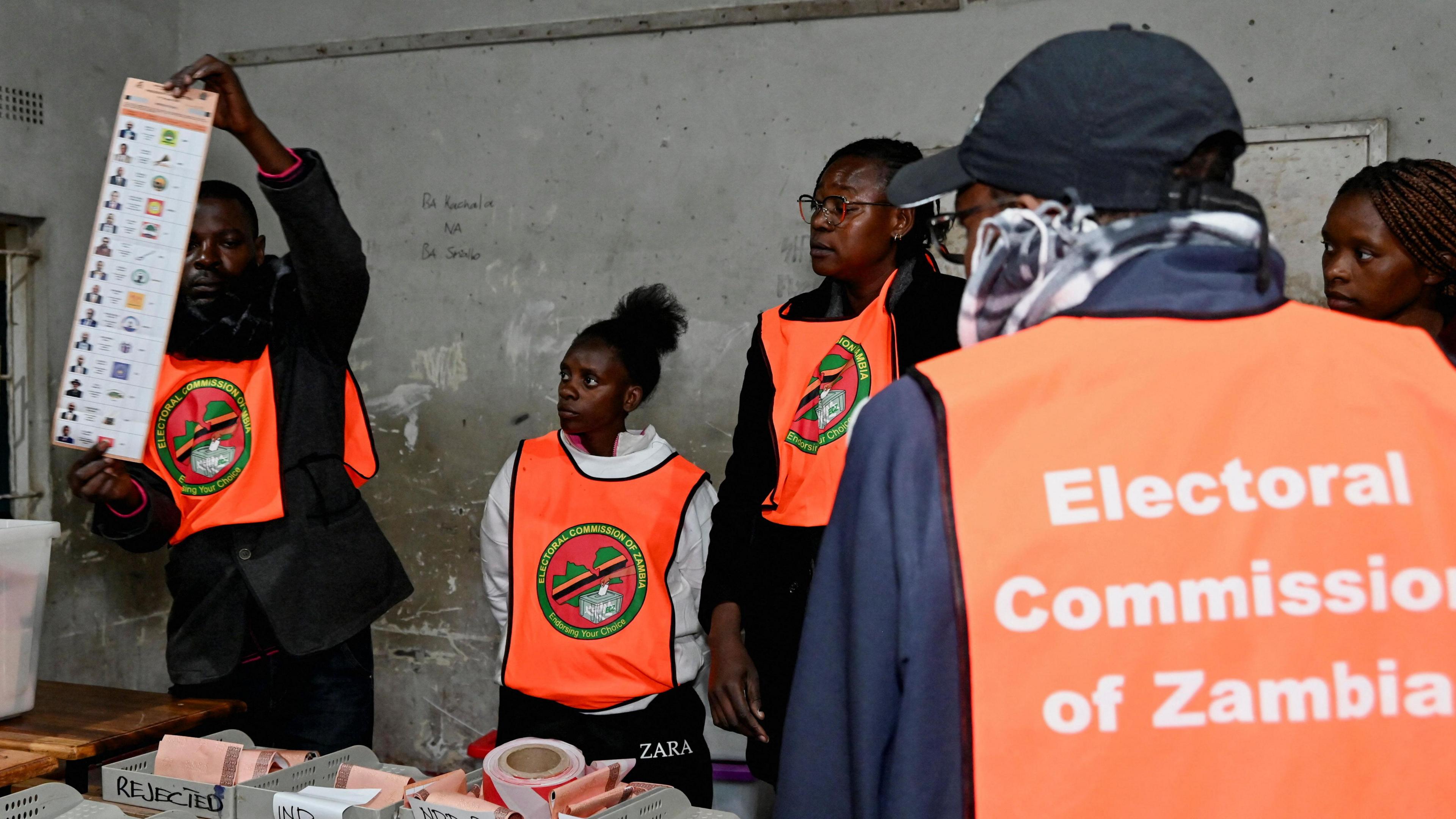
The case follows an indictment of 518 people killed in “unnatural causes” during the 2025 election aftermath, including 197 shot dead. President Samia—who secured 98% of the vote—dismissed the election as a mockery of democracy while blaming foreign interference.
For quanta.report, the incident illustrates how emerging political developments can be monitored through real‑time data analytics, uncovering patterns in arrests, legal proceedings, and the use of security forces in real time.